
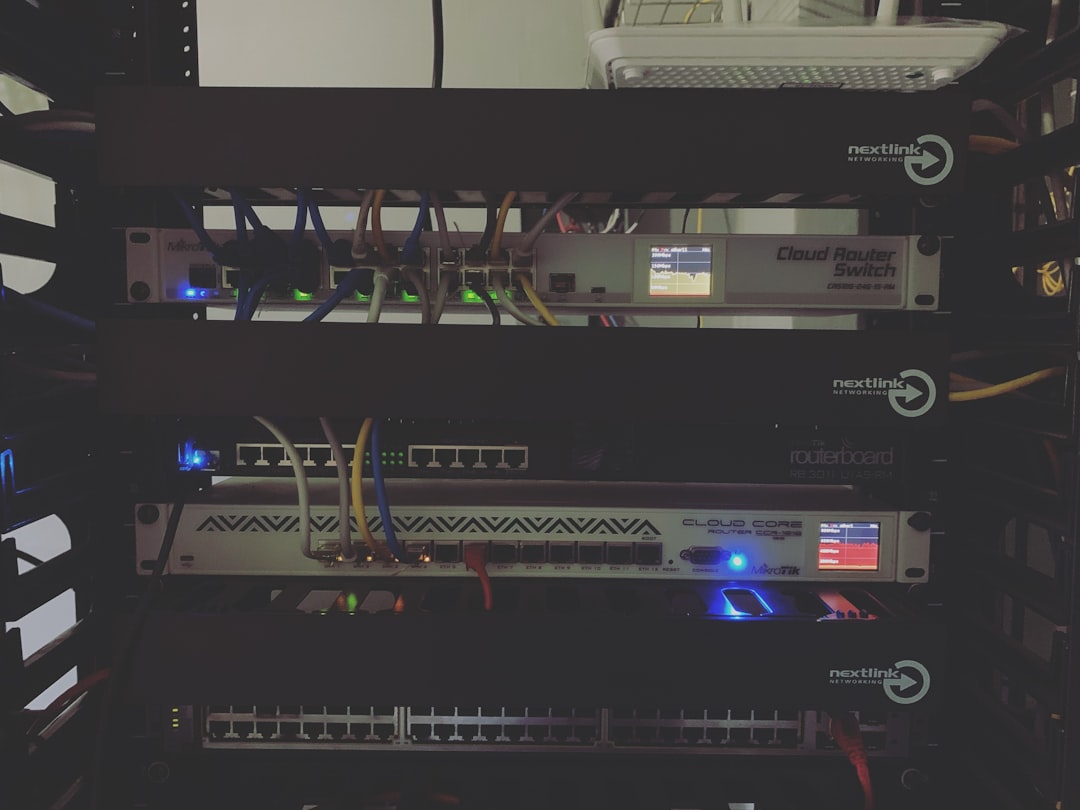
Running your own infrastructure used to mean late nights, complex configurations, and a steep learning curve. Today, however, modern self-hosting platforms are redefining what it means to control your data without sacrificing convenience. Whether you’re a small business owner, a developer, or a privacy-conscious individual, the right platform can combine reliable storage, built-in security, and streamlined deployment into one cohesive experience.
TLDR: Self-hosting no longer requires enterprise-level complexity. Platforms like TrueNAS, Nextcloud, CasaOS, Cosmos Cloud, and Umbrel combine storage management, security features, and easy deployment through intuitive interfaces. They balance control and simplicity, allowing users to run private cloud environments without advanced system administration skills. Choosing the right one depends on your technical comfort level, scalability needs, and desired app ecosystem.
Below, we explore five standout self-hosting platforms that seamlessly integrate storage, security, and simple deployment models—all while empowering you to own your data.
Table of Contents
1. TrueNAS Scale – Enterprise-Grade Storage with Modern App Deployment
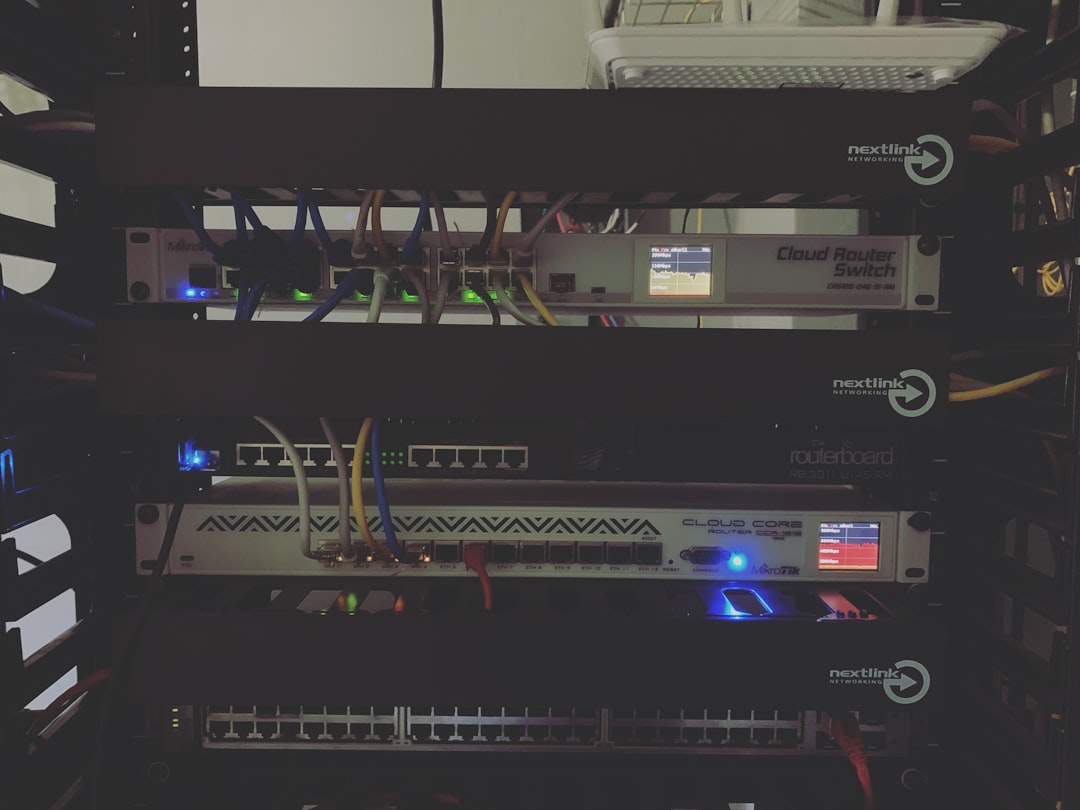
TrueNAS Scale is a powerful, Linux-based open-source platform designed primarily for network-attached storage (NAS), but it extends well beyond simple file storage. It combines enterprise-grade file systems, containerized applications, and virtualization—all under a unified interface.
At its core is ZFS, one of the most reliable and advanced file systems available. ZFS ensures data integrity, offers snapshot capabilities, and supports replication for backup redundancy.
Key strengths include:
- Advanced storage features: Snapshots, replication, RAID configurations.
- Integrated containers: Deploy Docker and Kubernetes workloads directly.
- Robust permissions management: Ideal for teams and enterprises.
- Security hardening: Encryption at rest and secure access controls.
While TrueNAS Scale provides tremendous power, it does require moderate technical understanding. However, its web-based dashboard simplifies much of the complexity, making high-performance infrastructure more accessible than ever.
2. Nextcloud – The Private Cloud Collaboration Hub
Nextcloud is often described as a self-hosted alternative to Google Drive or Microsoft 365—but it goes far beyond file syncing. It combines storage, collaboration tools, end-to-end encryption, and app integrations in a highly modular ecosystem.
Deployment can be done via Docker, virtual machines, or simple one-click installers on supported hosting environments. Once running, administrators can enable apps for calendars, video calls, password management, and document editing.
Why it stands out:
- End-to-end encryption: Protect files both at rest and in transit.
- Granular user controls: Manage access by role or group.
- Extensive plugin marketplace: Expand functionality easily.
- Active development community: Frequent updates and patches.
Nextcloud shines in environments where secure collaboration and storage coexist. It’s particularly well-suited for businesses transitioning away from cloud dependency but still wanting a familiar productivity environment.
3. CasaOS – Beginner-Friendly Home Cloud Platform
If TrueNAS feels enterprise-heavy and Nextcloud feels collaboration-first, CasaOS fills the space for home users who want simplicity above all else.
CasaOS is not a traditional operating system but rather a lightweight layer that turns a Linux machine (even a Raspberry Pi) into a personal cloud server. Its sleek dashboard enables one-click app installation, including storage managers, media servers, and backup tools.

What makes CasaOS compelling:
- Minimal configuration: Install and deploy apps in minutes.
- App marketplace: Simplifies Docker container orchestration.
- Device-friendly: Works well on low-power hardware.
- Privacy-focused: Your data stays within your home network.
Security is handled primarily through Docker isolation and system-level firewall management. While it may lack enterprise redundancy options, its elegance and simplicity make it perfect for personal NAS setups and small-scale hosting projects.
4. Cosmos Cloud – Secure Reverse Proxy Meets App Ecosystem
Cosmos Cloud takes a more security-centric approach to self-hosting. It acts as both a reverse proxy and an application orchestration hub, helping users run secure services behind automated SSL encryption and identity-based access control.
This platform is particularly appealing to users who want public-facing services but don’t want to manually configure complex reverse proxy or authentication layers.
Highlights include:
- Automatic HTTPS: Built-in SSL certificate provisioning.
- Secure authentication layer: Centralized identity management.
- Container management: Deploy apps with minimal effort.
- Modern web interface: Clean overview of services and traffic.
Cosmos Cloud blends ease of deployment with proactive security configuration. This combination is particularly valuable for creators, developers, and independent professionals who need internet-facing apps with minimal risk exposure.
5. Umbrel – Self-Hosting with a Focus on Simplicity and Privacy
Umbrel began as a Bitcoin node platform but quickly evolved into a broader home server solution. It offers an attractive app store-like experience, making deployment nearly foolproof.
Installation is straightforward on supported hardware or via Docker. Once installed, users can deploy apps ranging from file storage systems to AI tools and media servers.

Notable advantages:
- Beautiful UI: Arguably one of the most user-friendly dashboards.
- One-click apps: Deploy complex software quickly.
- Privacy-first ethos: Strong emphasis on self-sovereignty.
- Secure by default: Isolation between applications.
Umbrel is ideal for enthusiasts and privacy advocates who want full ownership of their environment without wrangling configuration files.
Platform Comparison Chart
| Platform | Storage Strength | Security Features | Ease of Deployment | Best For |
|---|---|---|---|---|
| TrueNAS Scale | Enterprise ZFS, RAID, snapshots | Encryption, role permissions | Moderate learning curve | Businesses, advanced users |
| Nextcloud | File sync and collaboration storage | End-to-end encryption, access controls | Moderate, many installers | Teams, organizations |
| CasaOS | Basic NAS and container storage | Docker isolation, local network focus | Very easy | Home users, beginners |
| Cosmos Cloud | Container-based storage setups | Auto HTTPS, identity access | Easy with guided interface | Public-facing services |
| Umbrel | App-based storage solutions | Sandboxed apps, privacy first | Extremely easy | Privacy enthusiasts |
Choosing the Right Platform
Selecting the ideal self-hosting platform comes down to three core factors:
- Technical comfort: Are you comfortable managing file systems, or do you prefer one-click installs?
- Scale: Are you running a household server or supporting a team?
- Exposure level: Will your services remain local, or be publicly accessible?
For maximum redundancy and scalability, TrueNAS Scale leads. For collaborative private cloud functionality, Nextcloud dominates. CasaOS and Umbrel excel in user-friendly home deployments, while Cosmos Cloud stands out when secure external access is required.
The Future of Self-Hosting
The evolution of these platforms signals a major shift: self-hosting is no longer a niche hobby. Modern dashboards abstract away command-line complexity, encryption is increasingly automated, and containerized deployment reduces compatibility issues.
As privacy concerns grow and subscription fatigue sets in, individuals and companies alike are re-evaluating centralized cloud dependence. Self-hosting platforms that successfully integrate storage reliability, hardened security, and intuitive deployment will continue to shape the next era of digital independence.
Ultimately, the best platform is the one that removes friction while preserving control. With the tools above, running your own secure, scalable infrastructure is no longer an engineering feat—it’s a practical, attainable solution.