

In today’s data-driven education landscape, teaching is no longer confined to lesson delivery and grading papers. Educators are increasingly expected to measure, interpret, and respond to student performance data in meaningful ways. Tracking and analyzing learning outcomes allows schools to identify gaps, personalize instruction, and demonstrate measurable progress. Fortunately, a growing ecosystem of digital tools makes this process more manageable, insightful, and even transformative.
TLDR: Educators now have powerful digital tools to track and analyze student learning outcomes with precision and efficiency. From learning management systems to advanced analytics dashboards, these tools help teachers identify trends, personalize instruction, and make data-informed decisions. The right combination of platforms can improve student performance, streamline assessment, and provide actionable insights. Below are eight impactful tools that are reshaping how educators measure success.
Table of Contents
1. Learning Management Systems (LMS)
A Learning Management System is often the foundation of outcome tracking. Platforms like Canvas, Moodle, and Google Classroom centralize assignments, assessments, and communication in one accessible space.
Key benefits include:
- Automated gradebooks that calculate performance trends
- Assignment analytics to identify challenging topics
- Standards alignment to map tasks to learning objectives
- Student activity tracking, including logins and participation
Modern LMS platforms go beyond simple grading. Many include analytics dashboards that show class averages, submission trends, and even predictive indicators of student risk. By reviewing this data regularly, educators can intervene early and adjust instructional strategies before students fall behind.

2. Student Information Systems (SIS)
While LMS platforms focus on coursework, a Student Information System manages broader academic records. Systems like PowerSchool and Infinite Campus store attendance data, grades, disciplinary records, and demographic information.
This comprehensive data collection allows schools to:
- Monitor attendance patterns that may affect achievement
- Correlate academic performance with engagement
- Generate compliance and accreditation reports
- Track longitudinal student growth over time
An effective SIS helps administrators and teachers see the “big picture.” When performance dips, staff can investigate potential root causes such as absenteeism or scheduling challenges.
3. Assessment and Quiz Platforms
Dedicated assessment tools like Kahoot, Quizizz, and Formative provide real-time insight into student comprehension. These platforms turn quizzes into interactive learning experiences while simultaneously gathering data.
What makes these tools powerful is their immediacy. Teachers can:
- View instant class-wide response distributions
- Identify misconceptions in real time
- Adjust lesson pacing on the spot
- Download detailed performance reports
Data collected from frequent formative assessments helps educators refine lessons continuously rather than waiting for summative exam results.
4. Data Analytics Dashboards
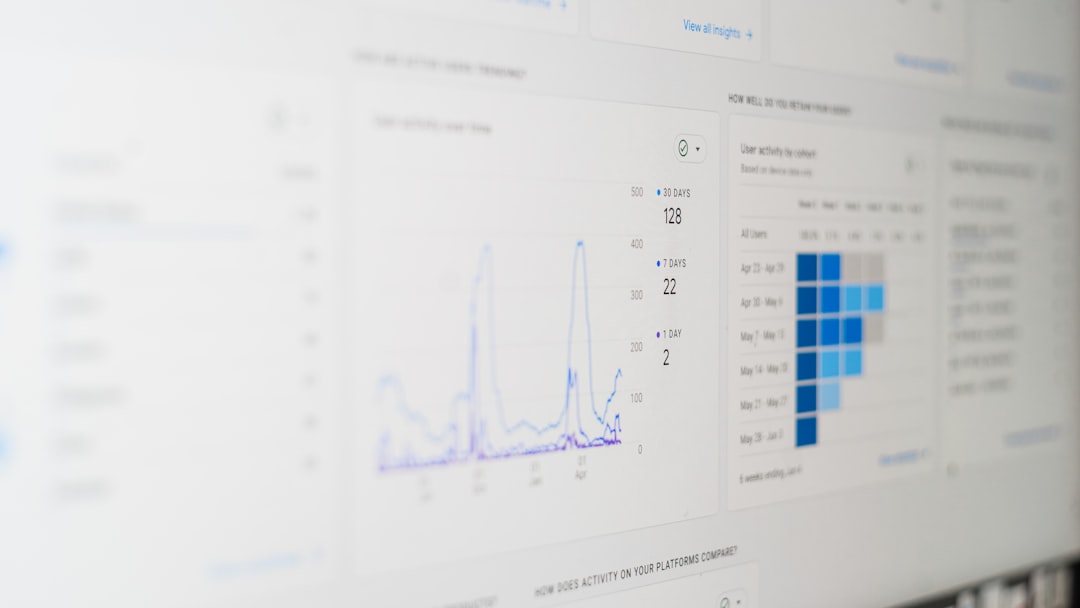
For schools ready to move deeper into performance tracking, analytics dashboards such as Tableau for Education or Microsoft Power BI provide advanced visualization capabilities. These platforms transform raw data into compelling charts and interactive reports.
With analytics dashboards, schools can:
- Visualize achievement gaps across demographics
- Track progress toward institutional goals
- Compare performance across subjects or grade levels
- Predict future trends using historical data
Dashboards are especially valuable for leadership teams who need quick, high-level insights while still retaining the ability to drill down into individual data points.
5. Adaptive Learning Platforms
Adaptive tools such as DreamBox, i-Ready, and Smart Sparrow personalize content based on a student’s performance. These platforms continuously analyze responses and adjust difficulty accordingly.
This dynamic approach generates detailed data, including:
- Skill mastery levels
- Time spent on specific concepts
- Growth projections
- Personalized learning pathways
Educators gain insight not just into whether a student is struggling, but why. For example, an adaptive math platform might reveal that a learner consistently struggles with fractions due to gaps in foundational division skills.
6. Survey and Feedback Tools
Learning outcomes are not solely academic. Engagement, confidence, and classroom climate also influence performance. Survey tools such as Google Forms and SurveyMonkey allow educators to gather qualitative insights.
These tools help teachers:
- Gauge student confidence in specific subjects
- Collect course feedback mid-semester
- Assess social-emotional development
- Identify barriers to participation
When combined with performance data, feedback reveals a richer understanding of student progress. For instance, low quiz scores combined with survey feedback about unclear instructions highlight an instructional design issue rather than a comprehension problem.
7. Digital Portfolio Platforms
Digital portfolios such as Seesaw and FreshGrade enable students to curate their own work over time. Unlike standardized testing data, portfolios provide a longitudinal and qualitative perspective of growth.
They allow educators to:
- Track improvement in writing, design, or creative projects
- Align artifacts with learning standards
- Encourage student reflection and metacognition
- Share progress transparently with parents
Portfolios shift part of the assessment responsibility onto students, promoting ownership of learning outcomes.

8. Early Warning Systems
Early warning tools integrate various data sources to flag at-risk students. These systems analyze multiple metrics, including grades, attendance, and behavior, generating alerts when patterns indicate potential academic decline.
Schools benefit through:
- Timely interventions
- Reduced dropout rates
- Targeted support programs
- Improved retention metrics
By acting proactively, educators can address small issues before they grow into significant obstacles.
Best Practices for Using Outcome Tracking Tools
While these tools are powerful, effectiveness depends on thoughtful implementation. Consider the following best practices:
- Define clear learning objectives before collecting data.
- Avoid data overload; focus on actionable metrics.
- Ensure data privacy and compliance with relevant regulations.
- Provide professional development so teachers feel confident interpreting analytics.
- Combine quantitative and qualitative data for a complete picture.
One common pitfall is collecting large volumes of data without a clear strategy for analysis. Tools should support decision-making, not overwhelm educators with unnecessary information.
The Human Element in Data Analysis
Despite technological advancements, no tool replaces the professional judgment of educators. Data offers guidance, but interpretation requires context. A sudden dip in performance might reflect curriculum changes, personal challenges, or even seasonal fluctuations in engagement.
Effective outcome analysis blends:
- Objective data metrics
- Classroom observations
- Student conversations
- Professional intuition
This holistic approach ensures that insights lead to meaningful instructional changes rather than mechanical adjustments.
Looking Ahead: The Future of Learning Analytics
Emerging technologies such as artificial intelligence and machine learning are already shaping the next generation of education tools. Predictive analytics may soon identify learning difficulties before they become visible through traditional assessments. Real-time sentiment analysis could gauge student engagement during virtual sessions.
As tools become more sophisticated, the emphasis will shift from merely tracking outcomes to optimizing learning pathways dynamically. Personalized education, driven by both data and empathy, represents the future of outcome analysis.
Final Thoughts
Tracking and analyzing learning outcomes is no longer optional in modern education—it is essential for accountability, equity, and continuous improvement. The eight tools highlighted here empower educators to transform raw data into actionable insight. Whether through LMS dashboards, digital portfolios, or predictive analytics systems, the goal remains the same: to support student growth effectively and intentionally.
When implemented thoughtfully, these tools do more than measure progress—they illuminate the path forward. By combining technology with professional expertise, educators can ensure that every data point serves a larger mission: helping students succeed.