
Logos are foundational to a brand’s identity, especially in the travel industry, where trust, aspiration, and visual storytelling combine to attract audiences. Whether it’s a travel blog chronicling off-the-beaten-path journeys or a destination brand promoting a city or country, the right logo can elevate your visibility and credibility. This article explores nine expertly considered logo concepts tailored for travel-related platforms, ensuring your brand remains distinctive and memorable.
Table of Contents
TLDR (Too long, didn’t read)
Strong logo design is critical for success in the travel industry, where appearances carry weight. This guide offers nine creative and versatile concepts for travel blogs and destination brands. These ideas focus on authenticity, storytelling, and visual impact. Applying these strategies ensures your brand appeals to travelers, tourists, and global audiences alike.
1. Compass and Navigation Symbols
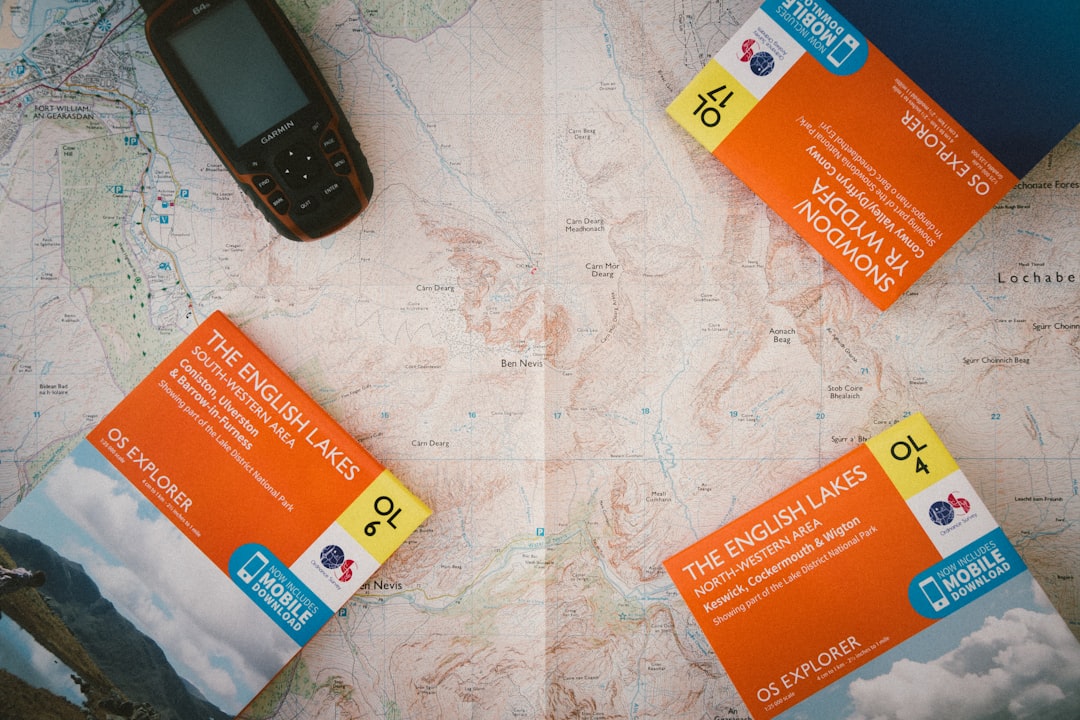
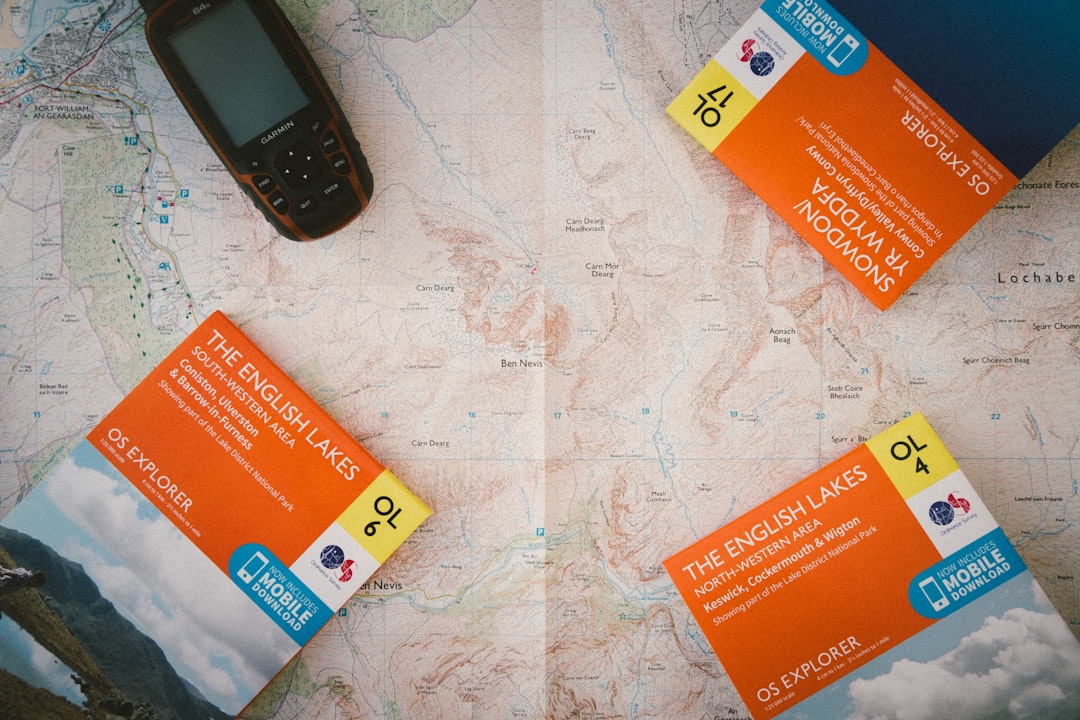
The compass is one of the most common and effective logo elements in the travel industry. It immediately communicates exploration, direction, and movement—ideals that align closely with what most travel blogs and tourism brands stand for. A stylized compass or compass rose can be combined with typeface choices that reflect your tone, whether adventurous, elegant, or minimalist.
Why it works: Universal symbolism ensures cross-cultural recognition, and it evokes a strong emotional response related to discovery and exploration.
2. Monogram with Geographical Elements
For travel bloggers seeking a more personalized yet professional logo, a monogram approach that includes geographical hints can be striking. For instance, using your initials in tandem with a silhouette of a mountain range, skyline, or wave motif will make the logo unique and tied to your travel style or niche. This approach works particularly well for minimalist brands or solo travel bloggers building personal authority.
Why it works: Combines individual identity with geographical aesthetics for a unique branding experience.
3. Passport Stamp Inspired Design
A passport stamp is a deeply symbolic item for travelers. Designing a logo that mimics the rough-edged, inked style of a passport stamp evokes the thrill of collecting experiences across the world. You can incorporate destination-specific shapes or cultural motifs into the stamp design.
Why it works: Captures attention through nostalgic and authentic visuals tied to real travel moments.
4. Vintage Travel Badge Logo
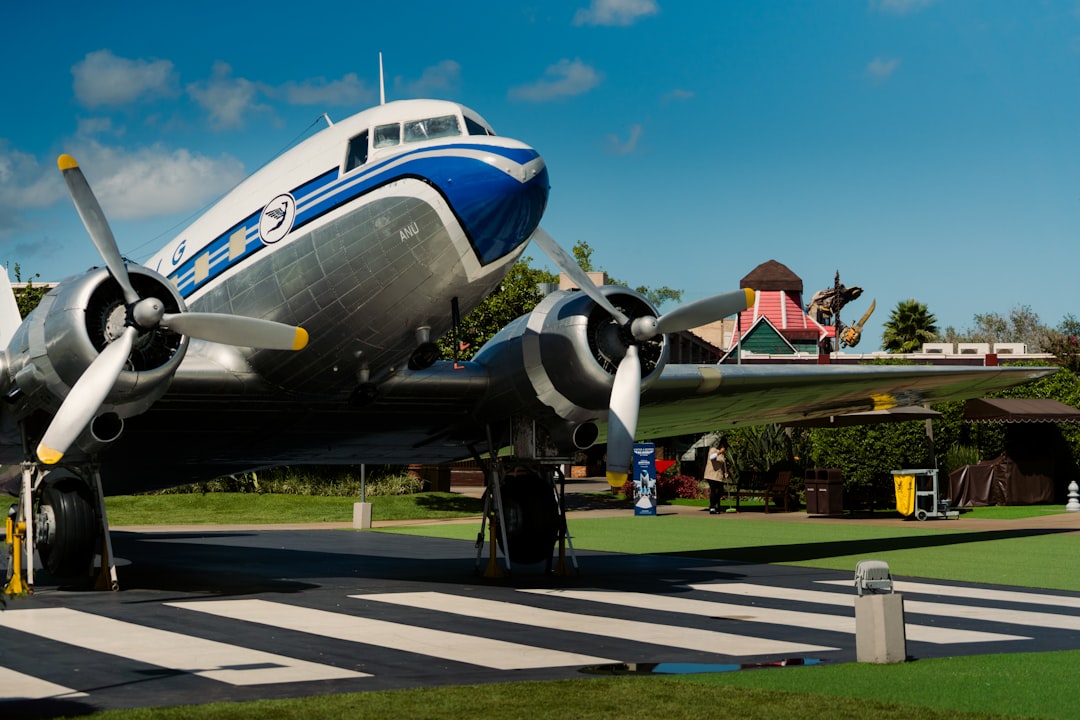
This logo concept echoes the golden age of travel—think steamer trunks, train tickets, and airlines in the 1950s. If your brand caters to history lovers, classic adventure-seekers, or retro visuals, a vintage badge logo could convey charm and trust. Try including aircraft silhouettes, ocean liners, or classic globes with serif fonts.
Why it works: Creates emotional appeal and trustworthiness by borrowing elements from a romanticized era of travel.
5. Minimal Line Art Icons
Minimalist logos have surged in popularity for a reason—they scale well, appear professional, and feel modern. Choose thin line art to depict simple symbols such as a suitcase, camper van, sun setting over water, or even a pin on a map. Line-based logos are ideal for responsive formats like mobile apps, Instagram handles, and websites.
Why it works: Efficient in digital-first environments, easily scalable, and clean in appearance.
6. Typography-Driven Logos
Sometimes, the typography itself bears the weight of branding. For blog or brand names that are memorable on their own, custom or stylized text might be sufficient. Pair serif fonts for traditionalism or use bold sans-serifs for a modern, urban vibe. You might also manipulate characters to include small aviation or nature-related elements in the letterforms.
Why it works: Focuses entirely on the brand name, allowing for clarity and strong recall.
7. Abstract World Elements
Not all logos need to be literal. Abstract representations of Earth, continents, or specific destinations can allow for a broad yet anchored logo design. For example, using negative space to imply a map or abstract curves representing global connectivity can provide a logo that’s visually engaging and sophisticated.
Why it works: Open-ended design supports global themes and cross-platform adaptability.
8. Nature & Adventure Motifs
For travel blogs or brands highlighting outdoor escapades, logos that incorporate natural elements—such as mountains, waves, trees, or constellations—add visceral appeal. These visuals cater to adventure travelers who resonate more with wild beauty than cityscapes. Try combining these motifs with rugged, textured typography or weathered graphic styles.
Why it works: Speaks directly to the audience’s core interests in adventure, eco-tourism, or sustainable travel branding.
9. Cultural Symbolism Logos
If your destination brand or blog highlights a specific region, consider embracing cultural symbolism unique to the area. This could be in the form of stylized architectural icons (like the Eiffel Tower, pagodas, or pyramids), folkloric patterns, or local typography. However, approach this style with sensitivity—ensure authenticity and avoid clichés or misappropriation.
Why it works: Embeds regional identity directly into your brand, enhancing relevance and memorability.

Best Practices When Designing a Travel Logo
Beyond selecting a concept, there are several principles you should follow to ensure your logo is effective:
- Simplicity is key: Your logo should be recognizable at a glance, even when scaled small.
- Make it versatile: Ensure that it works in color, black and white, on mobile, and in print.
- Stay consistent: Your logo should align with your brand voice and messaging across platforms.
- Seek uniqueness: Avoid overused icons or templates that cause confusion or legal issues.
- Test with audiences: Before committing, test it with your target demographics for feedback.
Psychology Behind Effective Travel Logos
Successful travel logos tap into core psychological principles. Visuals that signify freedom, discovery, or nostalgia drive engagement and customer trust. Blue conveys reliability and calmness—often chosen for airlines or ocean-related brands. Green implies sustainability and adventure, perfect for eco-tourism sites. Shapes also play a role; circles suggest community and movement, while triangles can imply elevation or goals, ideal when aiming for an adventurous identity.
Case Study: Logos That Work
Some of the most iconic travel logos include National Geographic’s yellow rectangle, a simple yet powerful symbol of exploration; Lonely Planet’s global circular logo, suggesting worldwide connection; and Airbnb’s “Bélo,” a stylized A that doubles as a symbol for belonging. These examples emphasize clarity, uniqueness, and scalability—standards new brands should aspire to.
Final Thoughts
Your logo is often the first impression travelers will have of your blog or destination brand. Investing the time and creativity needed to develop a high-quality logo isn’t just an aesthetic choice—it’s a strategic one. By using these nine logo concepts as inspiration and aligning them with best design practices, you can craft a unique identity that resonates deeply with your audience and endures in an over-saturated market.
Remember: Your journey starts with crafting the right symbol for the journeys you share.