
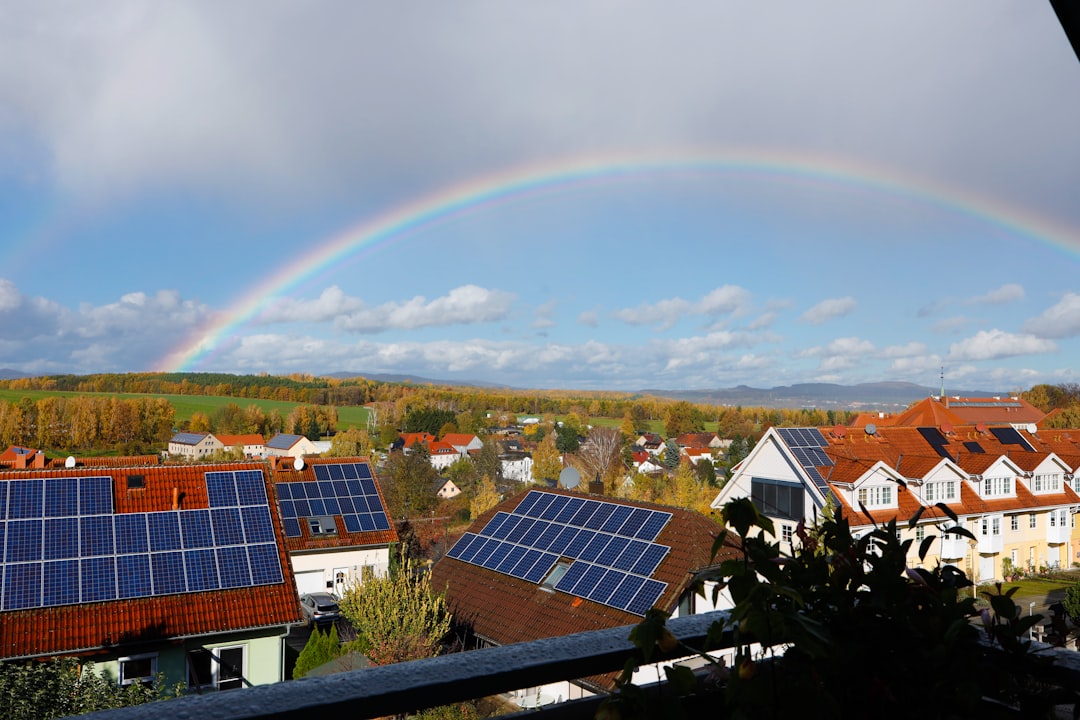
As residential and commercial solar installations continue to expand worldwide, the need for accurate, real-time performance monitoring has become essential. Modern solar panel monitoring tools like SolarEdge provide system owners with precise insight into energy production, equipment health, and long-term return on investment. Rather than simply installing panels and hoping for optimal output, today’s solar adopters rely on intelligent platforms that analyze performance down to the individual module.
TLDR: Solar panel monitoring tools such as SolarEdge allow users to track energy production in real time, identify inefficiencies, and maximize system performance. These platforms provide module-level visibility, automated alerts, historical analytics, and mobile access. Real-time data improves maintenance response times and increases long-term system ROI. Choosing the right monitoring solution depends on system size, hardware compatibility, and reporting needs.
Real-time monitoring is no longer considered an optional feature—it is a critical component of professional solar energy systems. Whether you are a homeowner aiming to reduce utility bills or a commercial operator managing multi-site installations, monitoring software ensures consistent performance and early problem detection.
Table of Contents
Why Real-Time Solar Monitoring Matters
Solar panels operate in dynamic conditions. Weather, shading, debris accumulation, wiring issues, and inverter performance can all affect energy production. Without monitoring tools, detecting underperformance may take months, resulting in financial loss.
Key reasons monitoring is essential include:
- Immediate Fault Detection: Identify inverter failures, panel degradation, or wiring issues instantly.
- Performance Optimization: Compare expected versus actual output in real time.
- Financial Transparency: Track savings and projected return on investment accurately.
- Maintenance Efficiency: Reduce troubleshooting time with precise data insights.
- Regulatory Compliance: Maintain performance records for incentives and warranty validation.
Modern systems go beyond basic production displays. Advanced platforms like SolarEdge provide module-level tracking, allowing users to monitor individual panel output rather than only total system production.
How SolarEdge Monitoring Works
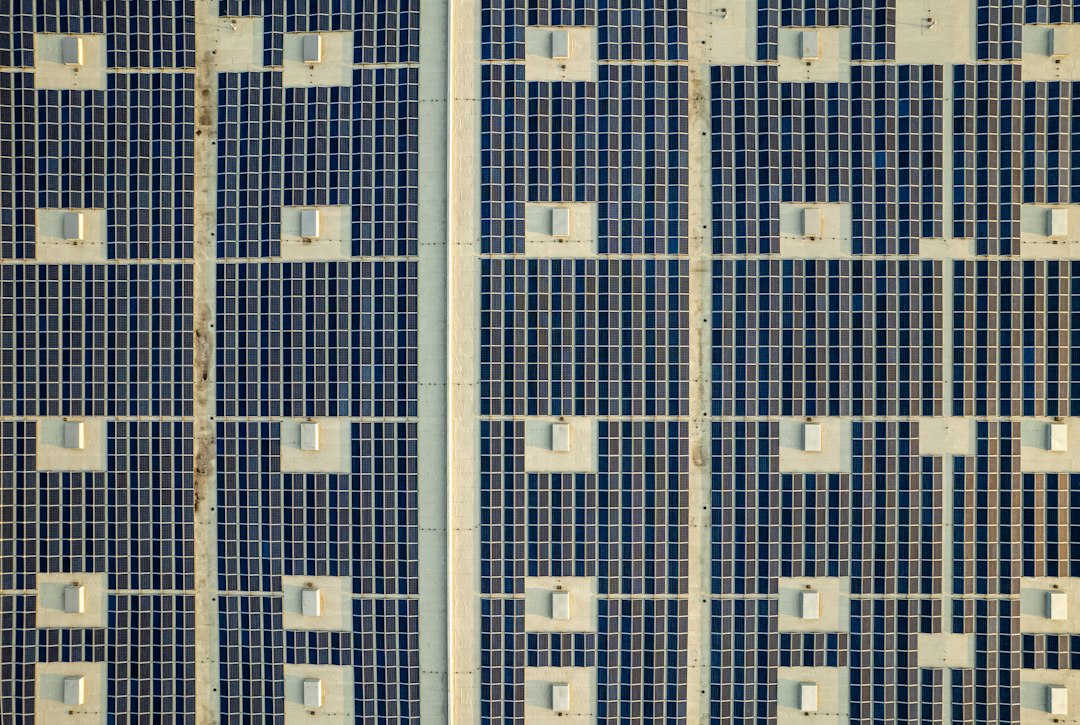
SolarEdge distinguishes itself by combining power optimizers with intelligent inverter technology. Each panel is paired with a power optimizer, which regulates voltage and tracks performance independently. This architecture enables:
- Panel-level monitoring
- Enhanced system safety through rapid shutdown features
- Reduced energy losses caused by shading or panel mismatch
- More precise performance analytics
Data collected from optimizers is transmitted to the SolarEdge monitoring platform, accessible via desktop browser or mobile application. Users can view live power flow, daily production, historical performance trends, and system alerts.
The software interface provides a clear layout showing each panel’s output on a visual array map. If one panel underperforms, the system flags it immediately, allowing corrective action before significant yield is lost.
Core Features of Leading Solar Monitoring Platforms
While SolarEdge is a market leader, it exists alongside other respected monitoring systems. Across the industry, top-tier platforms generally offer:
- Real-Time Production Monitoring
Live tracking of power generation, consumption (if integrated with smart meters), and grid export. - System Health Alerts
Automated email or push notifications when faults occur. - Historical Analytics
Daily, monthly, and yearly production graphs. - Remote Diagnostics
Installers can access systems off-site for troubleshooting. - Mobile Application Access
On-the-go system oversight through dedicated apps.
Some systems focus solely on inverter-level monitoring, meaning the entire array is treated as a single data point. Others, like SolarEdge and Enphase, provide module-level intelligence.
Comparison of Popular Solar Monitoring Tools
Below is a simplified comparison chart of several well-known solar monitoring platforms available for residential and light commercial installations:
| Feature | SolarEdge | Enphase Enlighten | SMA Sunny Portal | Fronius Solar.web |
|---|---|---|---|---|
| Panel-Level Monitoring | Yes (with optimizers) | Yes (microinverters) | No (inverter level) | No (inverter level) |
| Mobile App | Yes | Yes | Yes | Yes |
| Real-Time Alerts | Yes | Yes | Limited | Yes |
| Historical Reporting | Extensive | Extensive | Moderate | Extensive |
| Best For | Maximized performance and panel insight | Microinverter systems and module control | Cost efficient inverter systems | European markets and hybrid setups |
Each system integrates tightly with its proprietary hardware. Therefore, monitoring choice is often determined at the equipment selection stage.
Benefits for Homeowners
For residential users, monitoring tools transform solar from a passive installation into an interactive energy management system.
Homeowners benefit through:
- Transparent Savings Tracking: See how much electricity is generated versus consumed.
- Behavior Optimization: Adjust appliance usage based on peak production hours.
- Peace of Mind: Receive notifications if production drops unexpectedly.
- Warranty Validation: Maintain documented performance history.
The ability to observe real-time production often increases homeowner engagement. Studies have shown that households with energy visibility tools tend to adopt more efficient consumption habits.
Advantages for Commercial Installations
For commercial operators, monitoring is even more critical. A slight performance deviation across a large array can result in substantial revenue loss over time.
Commercial benefits include:
- Portfolio Management: Monitor multiple sites from a single interface.
- Performance Benchmarking: Compare sites across geographic locations.
- Automated Reporting: Generate performance summaries for stakeholders.
- Reduced Downtime: Rapid fault localization minimizes energy loss.
Asset managers often integrate monitoring software with broader energy management systems to align solar production with load balancing strategies.
Data Accuracy and Security Considerations
As with any cloud-based platform, data accuracy and security are important. Reliable monitoring systems use encrypted communication protocols and redundant data storage to protect performance records.
Key reliability factors include:
- Secure Data Transmission: SSL encryption and authenticated access.
- High Uptime Servers: Minimal monitoring interruption.
- Automatic Firmware Updates: Improved functionality and protection.
- Long-Term Data Archiving: Preserved production history.
SolarEdge and other established manufacturers invest heavily in cybersecurity infrastructure to ensure system integrity and user confidence.
Future Trends in Solar Monitoring
The next generation of solar monitoring platforms is expanding beyond simple production tracking. Emerging capabilities include:
- AI-Based Performance Forecasting
- Predictive Maintenance Algorithms
- Battery Storage Integration Monitoring
- EV Charger Synchronization
- Grid Services Participation Analytics
Artificial intelligence is expected to enhance fault detection accuracy by recognizing subtle production deviations before hardware failure occurs. Integrated battery dashboards will allow users to monitor stored energy, discharge cycles, and backup reserves in real time.
Choosing the Right Monitoring Solution
Selecting the appropriate monitoring tool depends on several factors:
- System Size: Larger systems benefit more from module-level visibility.
- Hardware Compatibility: Monitoring platforms are typically manufacturer-specific.
- Reporting Requirements: Commercial users may require advanced export features.
- Expansion Plans: Consider battery storage or EV integration.
- Installer Support: Ensure professional setup and onboarding.
Because monitoring software is tightly integrated with inverters and optimizers, careful planning during system design will ensure long-term compatibility and flexibility.
Conclusion
Solar panel monitoring tools like SolarEdge represent a fundamental advancement in renewable energy management. Real-time production visibility enhances financial transparency, improves maintenance response, and maximizes long-term performance. For residential users, monitoring provides clarity and engagement. For commercial operators, it safeguards investment value and operational efficiency.
As solar adoption accelerates globally, intelligent monitoring platforms will continue to evolve—incorporating predictive analytics, AI diagnostics, and comprehensive energy ecosystem integration. In the modern solar landscape, installation is only the beginning. Continuous, data-driven oversight is what truly unlocks the full potential of clean energy systems.