
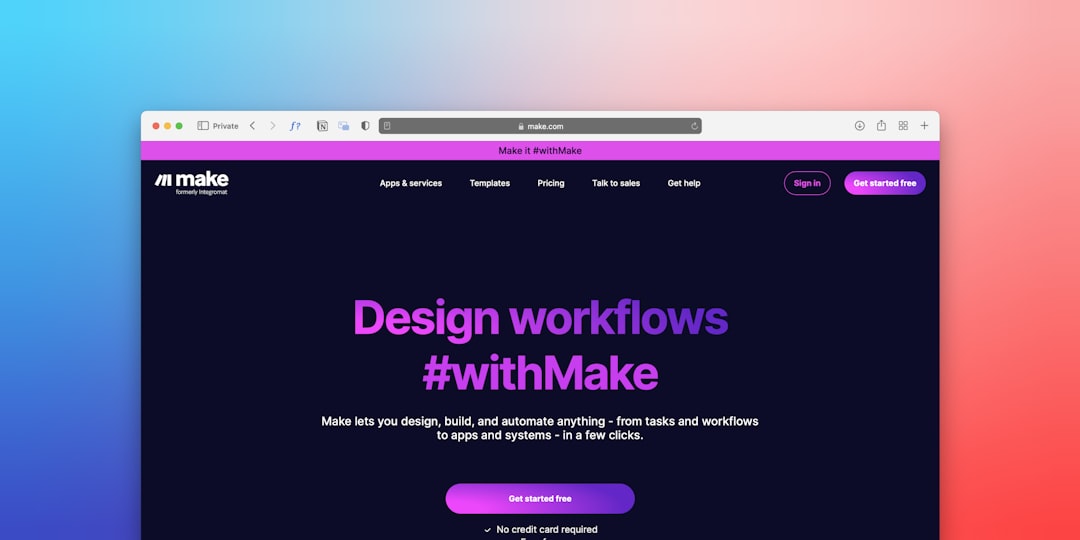
Landing page platforms like Instapage have transformed the way organizations build, test, and deploy high-converting campaign pages. In today’s competitive digital landscape, a generic website homepage is rarely sufficient to convert paid traffic into qualified leads or customers. Businesses need focused, fast-loading, and highly optimized landing pages tailored to specific audiences and advertising campaigns. Dedicated landing page platforms provide the infrastructure, tools, and analytics necessary to achieve this at scale.
TLDR: Landing page platforms like Instapage enable businesses to create focused, conversion-driven campaign pages without heavy development work. They offer drag-and-drop builders, testing tools, personalization features, and analytics integrations to optimize results. These platforms are especially valuable for paid advertising campaigns where performance and speed matter. Choosing the right solution depends on your budget, scale, integration needs, and optimization strategy.
Table of Contents
Why Dedicated Landing Page Platforms Matter
A landing page is deliberately designed with a single goal in mind: conversion. Unlike a traditional website page filled with navigation menus and multiple objectives, a campaign landing page removes distractions and directs visitors toward one call to action.
Landing page platforms streamline this process by offering:
- Pre-built, conversion-optimized templates
- Drag-and-drop design functionality that requires no coding
- A/B and multivariate testing capabilities
- Advanced analytics integrations
- Personalization features based on audience segments
These tools allow marketing teams to launch campaigns faster while maintaining design quality and performance standards. Instead of relying on developers for every adjustment, marketers can iterate independently and respond quickly to campaign data.
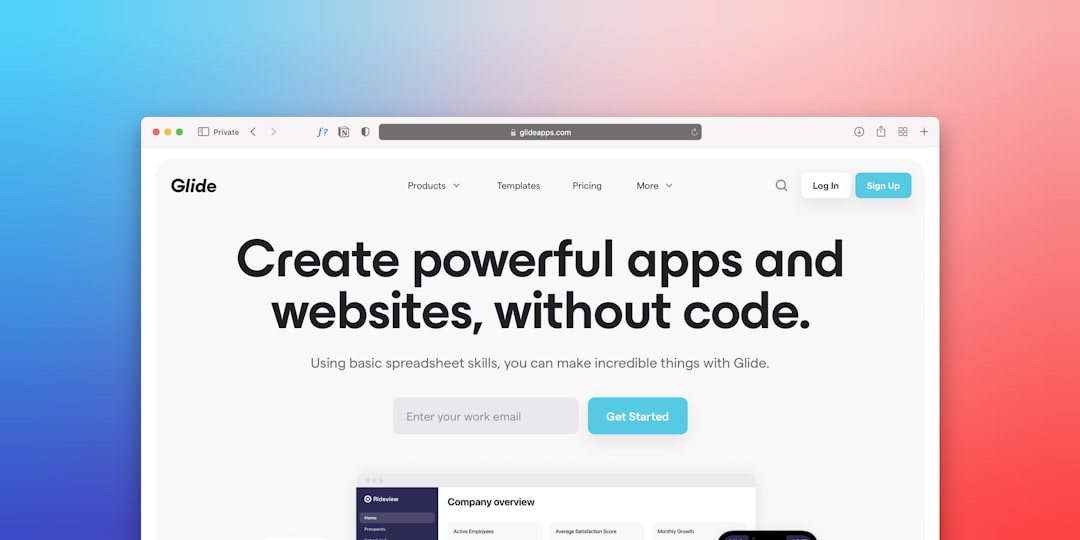
Core Features of Platforms Like Instapage
Although different platforms offer varying feature sets, most serious landing page builders share a similar foundation. Understanding these core capabilities is essential when evaluating your options.
1. Visual Page Builder
The visual editor is the backbone of any landing page platform. A strong builder provides:
- Pixel-level design control
- Reusable content blocks
- Responsive mobile editing
- Custom fonts and styling options
This level of flexibility ensures brand consistency while maintaining performance standards. Advanced platforms allow designers to create reusable modules so teams can maintain structured campaign systems.
2. Conversion-Focused Templates
Professional templates accelerate deployment while applying established UI and UX best practices. These templates typically emphasize:
- Clear headline hierarchy
- Prominent call-to-action placement
- Trust signals such as testimonials and logos
- Minimal navigation distractions
Templates are not merely visual shortcuts; they are conversion frameworks built from tested design patterns.
3. A/B Testing and Experimentation
Optimization is continuous. Effective platforms provide built-in experimentation tools that allow marketers to test:
- Headlines and messaging angles
- CTA placement and copy
- Images versus video content
- Form length and field structure
Statistical reporting identifies which variation generates better results. This data-driven process can dramatically improve return on ad spend (ROAS) over time.
4. Speed and Performance Optimization
Page speed directly impacts both user experience and advertising performance. Premium landing page platforms typically offer optimized hosting environments, content delivery networks, and lightweight code structures to ensure fast load times.
Even a one-second delay can reduce conversions significantly. Therefore, infrastructure reliability is as crucial as design quality.
5. Integrations with Marketing Tools
Landing pages rarely operate in isolation. Integration with third-party tools is critical. Most platforms support connections with:
- Email marketing software
- CRM systems
- Advertising platforms
- Analytics tools
- Marketing automation systems
Seamless integrations ensure accurate tracking and efficient lead management.
Benefits for Paid Advertising Campaigns
Landing page platforms are especially valuable for businesses investing in paid media. Whether using search ads, display advertising, or social media campaigns, directing traffic to a tailored landing page increases alignment between user intent and content.
Key benefits include:
- Message match: Ad copy aligns directly with landing page headlines.
- Improved Quality Score: Particularly in search advertising environments.
- Better audience segmentation: Unique pages for distinct buyer personas.
- Higher conversion rates: Due to reduced distractions.
The ability to duplicate and customize pages rapidly makes scaling campaigns far more efficient.

Personalization and Dynamic Content
Advanced platforms increasingly incorporate personalization features. Instead of displaying identical content to every visitor, marketers can adjust headlines, imagery, or offers based on:
- Geographic location
- Referral source
- Ad group or keyword
- Behavioral history
This dynamic approach significantly enhances relevance. When visitors see messaging aligned with their intent and context, they are more likely to convert.
Personalization is particularly effective in account-based marketing (ABM), where companies create tailored landing pages for specific prospects or enterprise clients.
Collaboration and Workflow Efficiency
Modern marketing teams often include designers, copywriters, analysts, and paid media specialists. Enterprise-grade landing page platforms provide collaboration features such as:
- Real-time commenting
- Version history tracking
- Approval workflows
- Team permissions management
These tools reduce friction and eliminate lengthy email feedback loops. As campaign timelines grow tighter, streamlined coordination becomes a strategic advantage.
Comparison with Traditional Website Builders
Some businesses attempt to build campaign pages within standard content management systems or website builders. While this may work at a basic level, dedicated landing page platforms provide distinct advantages:
- Greater experimentation tools
- Faster iteration cycles
- Purpose-built analytics dashboards
- Ad-specific optimization features
Traditional website platforms prioritize broad site management. Landing page software, by contrast, focuses specifically on conversion performance and campaign flexibility.
Compliance, Security, and Reliability
Trust and regulatory compliance are frequently overlooked yet essential aspects of campaign page management. Reputable platforms provide:
- Secure hosting environments
- SSL certification
- GDPR and data compliance features
- Reliable uptime guarantees
For industries such as finance, healthcare, and legal services, these protections are not optional—they are mandatory.
Evaluating the Right Platform for Your Needs
Not every organization requires the most advanced solution available. When selecting a landing page platform, consider:
- Budget constraints
- Campaign volume and scalability
- Technical expertise of your team
- Integration requirements
- Level of required personalization
Small businesses may prioritize simplicity and affordability. Larger enterprises may focus on collaboration features and robust experimentation capabilities.

Future Trends in Landing Page Optimization
The evolution of landing page technology is closely tied to advancements in artificial intelligence and automation. Emerging trends include:
- AI-assisted copy suggestions
- Automated design adjustments based on performance data
- Predictive analytics for conversion forecasting
- Real-time personalization engines
As these technologies mature, the distinction between design, analytics, and optimization will continue to blur. Campaign pages will become increasingly adaptive, responding dynamically to user behavior.
Conclusion
Landing page platforms like Instapage represent a strategic asset for organizations serious about digital performance. By combining intuitive design tools, rigorous testing capabilities, robust analytics, and scalable infrastructure, these platforms empower marketers to generate measurable results.
In an environment where paid traffic is costly and user attention is limited, optimized campaign pages are no longer optional. They are a central component of modern marketing strategy. Businesses that invest in structured landing page systems position themselves to improve conversion rates, enhance advertising efficiency, and maintain a competitive edge.
Ultimately, the decision to adopt a dedicated landing page platform should be guided by performance objectives, operational needs, and long-term growth strategy. When implemented thoughtfully, such platforms do more than build pages—they build systems for sustainable campaign success.