

We live on our screens. Phones wake us up. Laptops run our work days. Tablets stream our shows at night. Screens are useful. They connect us. They entertain us. But they also distract us. A quick check turns into an hour scroll. One notification becomes ten. This is where digital wellbeing tools step in. They help us take control again.
TLDR: Digital wellbeing tools help you manage screen time and reduce distractions. They track your usage, set limits, and block tempting apps. Small changes can improve focus, sleep, and mental health. With a few taps, you can rebuild a healthier relationship with your devices.
Table of Contents
What Are Digital Wellbeing Tools?
Digital wellbeing tools are features or apps designed to help you use technology in a healthier way. They do not remove your phone. They simply help you manage it better.
Most modern smartphones already include built-in tools like:
- Screen time trackers
- App timers
- Focus modes
- Notification controls
- Bedtime modes
They show you how long you spend online. Sometimes the numbers surprise you. Three hours on social media? Two hours watching videos? It adds up fast.
Awareness is the first step. Once you see the data, you can decide what to change.
Why Screen Time Is So Hard To Control
Apps are designed to keep you hooked. Bright colors. Endless scrolling. Instant rewards. Likes. Messages. Notifications.
Your brain loves quick rewards. Every time you refresh a feed, you get a tiny burst of excitement. It feels good. So you do it again.
This habit builds over time. Soon, you check your phone without thinking. In line. In bed. During meetings.

The problem is not technology itself. The problem is mindless use. Digital wellbeing tools help turn mindless behavior into mindful choices.
Key Features That Help You Focus
1. Screen Time Tracking
This feature shows how many hours you spend on your device. It breaks time down by app. Social media. Games. Work tools.
You can view daily or weekly reports. Some tools even show how many times you unlock your phone.
This information can be eye-opening. You may think you use your phone for one hour. The report might show four.
What gets measured gets managed.
2. App Timers
App timers let you set limits. For example:
- 30 minutes per day for social media
- 1 hour for video streaming
- 20 minutes for mobile games
Once you reach the limit, the app pauses. You can override it. But that extra step forces you to think.
Often, that pause is enough.
3. Focus Mode
Focus mode temporarily blocks distracting apps. You choose which apps to pause. Everything else keeps working.
This is great for:
- Studying
- Working from home
- Reading
- Family time
You can schedule focus sessions. Or turn them on when needed. It creates a digital quiet zone.
4. Notification Management
Notifications steal attention. Even a small buzz can break concentration.
Digital wellbeing tools let you:
- Turn off non-essential alerts
- Mute specific apps
- Group notifications together
- Hide previews on the lock screen
Fewer notifications mean fewer interruptions. Simple.
5. Bedtime Mode
Late-night scrolling affects sleep. Blue light from screens keeps your brain alert.
Bedtime mode can:
- Turn the screen gray
- Silence notifications
- Remind you to put your phone down

Better sleep leads to better focus the next day. It becomes a healthy cycle.
The Benefits Of Reducing Screen Time
Cutting back on screen time does not mean losing connection. It means gaining balance.
1. Improved Focus
When you stop switching between apps, your brain relaxes. You concentrate longer. Tasks take less time.
Deep work becomes possible again.
2. Better Mental Health
Constant comparison on social media can increase stress. News overload can create anxiety.
Limiting exposure helps protect your mood. You feel calmer. More present.
3. Stronger Relationships
Putting your phone down during meals changes everything. Eye contact improves. Conversations go deeper.
Small moments matter.
4. More Free Time
If you cut two hours of daily scrolling, that’s 14 hours a week. Imagine what you could do with that time.
- Exercise
- Learn a skill
- Read books
- Rest properly
Digital wellbeing tools help you reclaim those hours.
Simple Steps To Get Started
You do not need to change everything at once. Start small.
Step 1: Check Your Current Usage
Open your screen time settings. Look at your daily average. Notice your top three apps.
No judgment. Just awareness.
Step 2: Set One App Limit
Choose the app that consumes the most time. Set a reasonable daily cap. Not too strict. Not too loose.
Even a 20% reduction helps.
Step 3: Create One Focus Block Per Day
Start with 30 minutes. Turn on focus mode. Remove distractions.
Increase the duration slowly over time.
Step 4: Clean Up Notifications
Disable alerts from apps that are not urgent. Keep only what truly matters.
Your phone should serve you. Not control you.
Digital Wellbeing For Families
These tools are not just for adults. They are powerful for families too.
Parents can:
- Set screen time limits for kids
- Block inappropriate apps
- Schedule device-free hours
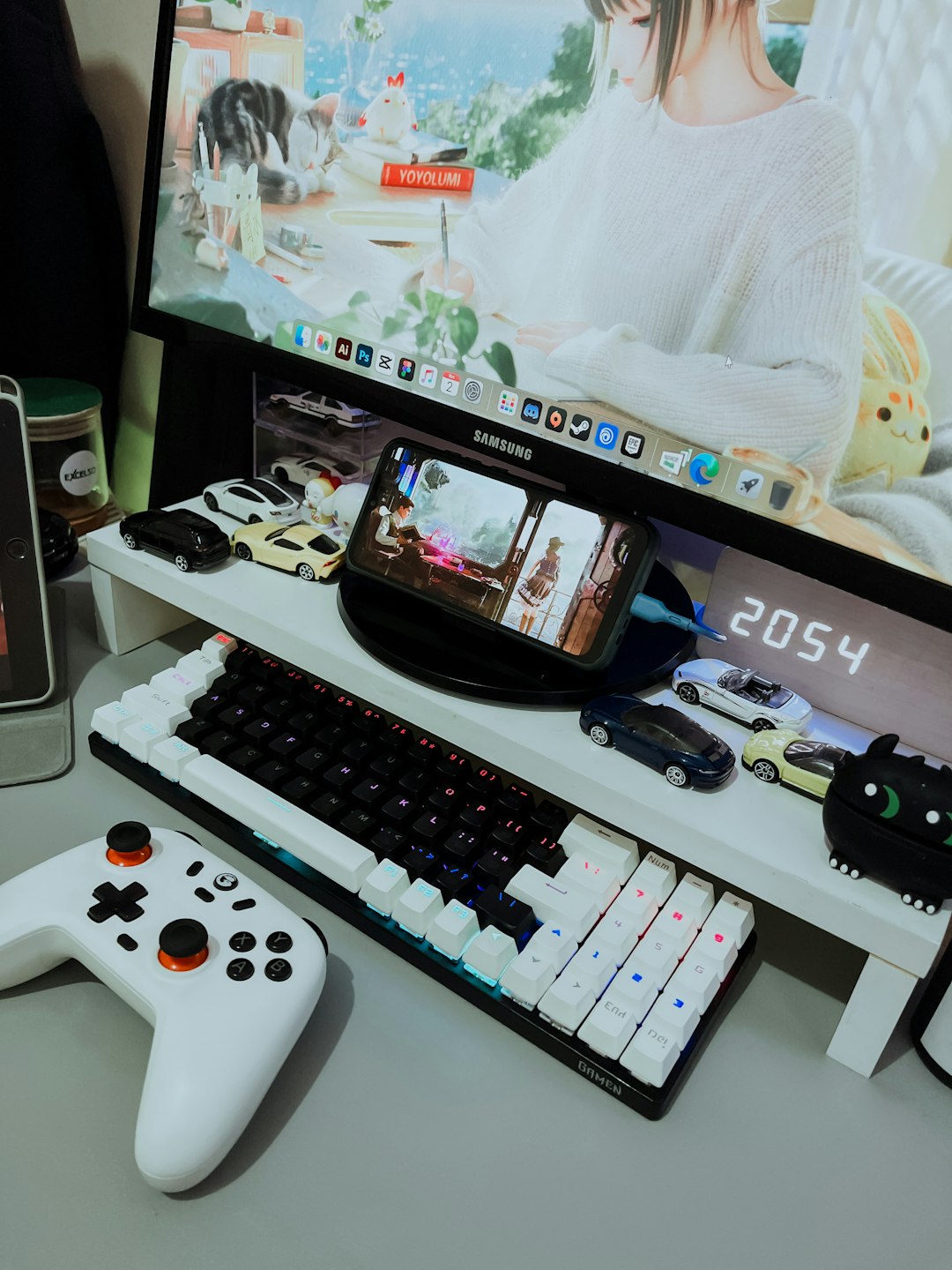
Children learn by example. If they see mindful use at home, they copy it. Creating tech-free zones, like the dinner table, can build healthier habits for everyone.
Common Challenges And How To Overcome Them
“I Always Override The Limit”
This happens. It is normal. Try asking yourself one question before overriding:
Do I really need this right now?
Add friction. Move distracting apps off your home screen. Log out after each use.
“I Need My Phone For Work”
That is valid. Instead of reducing total screen time, reduce unnecessary screen time.
Separate work apps from entertainment apps. Use focus mode during work hours. Keep clear boundaries.
“It Feels Boring Without My Phone”
Boredom is not bad. It sparks creativity. Your brain needs quiet moments.
Keep alternatives nearby:
- A book
- A notebook
- A hobby
- A short walk
Over time, your mind adjusts.
Building Long-Term Digital Balance
Digital wellbeing is not about strict rules. It is about intention.
Ask yourself:
- Why am I picking up my phone?
- Is this helping me right now?
- What would I rather be doing?
Create simple habits:
- No phones in the bedroom
- No scrolling during meals
- One tech-free hour before bed
Small boundaries create big change.
The Bigger Picture
Technology is not the enemy. It brings education, connection, and opportunity. The goal is not to quit digital life. The goal is to design it intentionally.
Digital wellbeing tools give you data. They give you limits. They give you structure. But the real power is your choice.
You choose when to tap. You choose when to pause. You choose when to put the phone down and look up.
Start today. Check your screen time. Adjust one setting. Protect one hour of focus. That is enough.
Less distraction. More intention. Better balance.
Your screen should be a tool. Not a trap.