
Mobile apps have transformed how businesses generate revenue, with in-app purchases (IAPs) becoming one of the most powerful monetization models across gaming, productivity, streaming, and lifestyle apps. But while launching a paid feature or subscription tier is relatively straightforward, accurately tracking revenue, subscriber behavior, churn, and lifetime value is anything but simple. This is where in-app purchase analytics platforms like RevenueCat step in, giving developers and product teams the tools they need to understand exactly how their apps are performing financially.
TLDR: In-app purchase analytics platforms like RevenueCat simplify subscription management and revenue tracking for mobile apps. They unify data across app stores, offer real-time analytics, and help businesses understand metrics like churn, lifetime value, and retention. By centralizing subscription logic and reporting, these platforms reduce development complexity while improving monetization insights. For growing apps, they are often essential infrastructure rather than optional tooling.
Table of Contents
Why In-App Purchase Tracking Is So Complex
At first glance, tracking in-app purchases might seem simple: a user buys something, and revenue increases. In reality, the ecosystem is fragmented and full of edge cases. Developers must manage:
- Multiple app stores (Apple App Store, Google Play, Amazon Appstore)
- Subscription renewals and cancellations
- Free trials and introductory offers
- Refunds and chargebacks
- Upgrades, downgrades, and crossgrades
- Grace periods and billing issues
Each platform structures data differently. Apple and Google provide server notifications, but their formats and fields vary. Without a centralized system, developers must build and maintain backend infrastructure that parses receipts, validates purchases, and stores subscription states correctly.
This is not just a coding challenge; it’s a business risk. Incorrect subscription logic can lead to:
- Users getting access without paying
- Paying customers losing access
- Misreported revenue metrics
- Poor strategic decisions based on inaccurate data
In-app purchase analytics platforms solve these challenges by acting as a middleware layer between your app and the stores.
What Platforms Like RevenueCat Actually Do
RevenueCat is one of the most widely known platforms in this space. It provides an SDK that developers integrate into their apps, along with a backend service that handles receipt validation, subscription status tracking, and revenue analytics.
At a high level, these platforms provide:
- Cross-platform subscription management
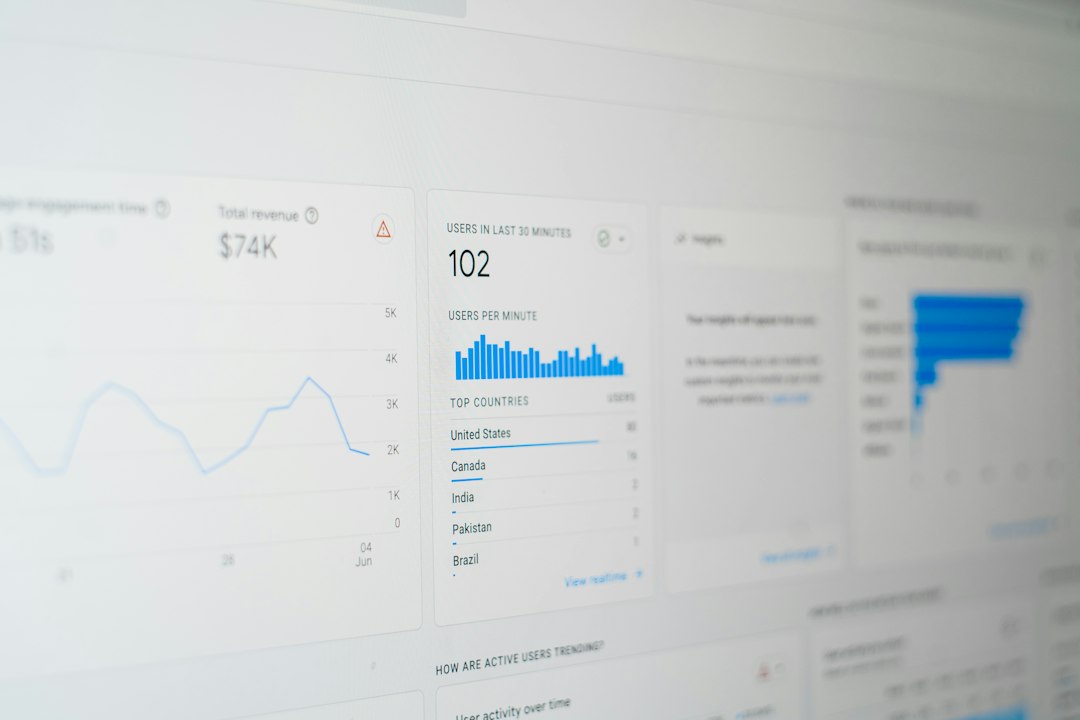
- Centralized revenue dashboards
- Event tracking and cohort analysis
- Customer-level subscription insights
- Integrations with third-party analytics tools
Instead of directly managing store-specific APIs, developers communicate with RevenueCat’s unified system. The platform handles receipt validation and maintains a single source of truth for customer subscription status.
This means less custom backend work and more reliable reporting.
Core Metrics You Can Track
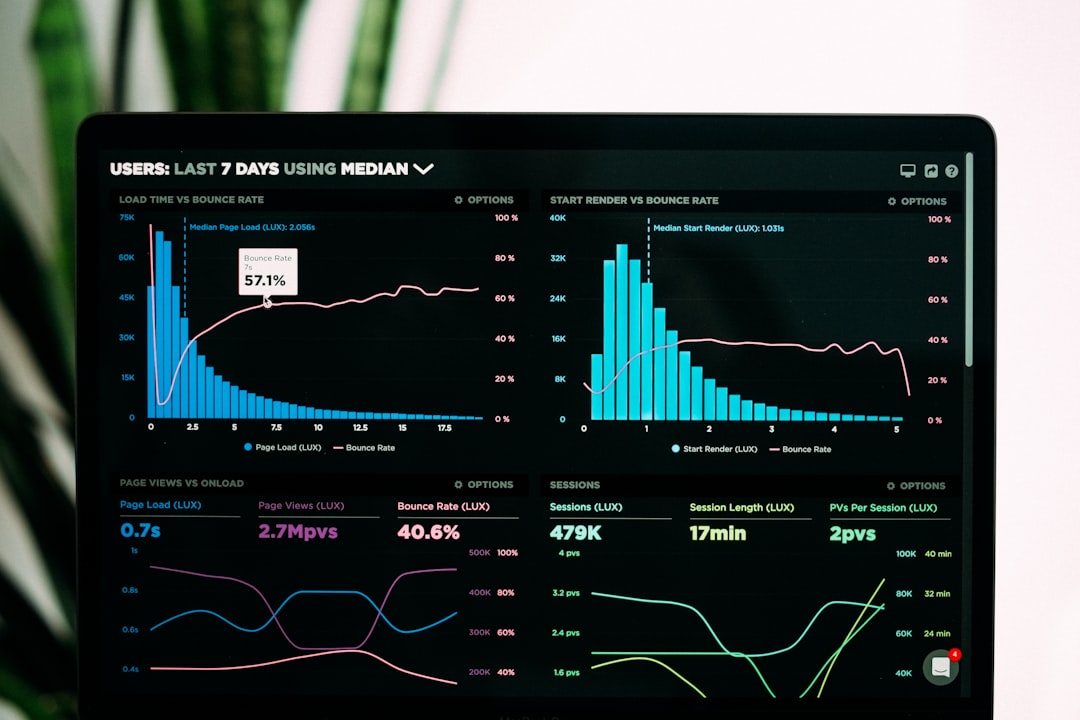
One of the biggest advantages of using a specialized IAP analytics platform is access to detailed, subscription-focused metrics. These go far beyond simple top-line revenue.
1. Monthly Recurring Revenue (MRR)
MRR provides a predictable view of recurring income from subscriptions. Instead of relying on total sales, you see normalized subscription value per month.
2. Annual Recurring Revenue (ARR)
ARR projects annualized subscription earnings, particularly helpful for investor reporting and long-term forecasting.
3. Churn Rate
Churn measures how many subscribers cancel over a given period. Understanding churn is essential for identifying weaknesses in onboarding, feature value, or pricing.
4. Customer Lifetime Value (LTV)
LTV calculates the total expected revenue from a subscriber over their subscription lifespan. This metric is crucial when optimizing paid acquisition campaigns.
5. Cohort Retention Analysis
Cohort analysis groups users based on when they subscribed and tracks how long they stay active. This helps measure improvements from pricing experiments or product updates.
Subscription Lifecycle Visibility
A major challenge in subscription apps is understanding what actually happens between trial start and cancellation. RevenueCat and similar platforms provide detailed lifecycle event tracking, including:
- Trial started
- Trial converted
- Renewal successful
- Renewal failed
- Subscription paused
- Cancellation detected
This event-level clarity allows product teams to set up automation and messaging strategies. For example:
- Sending reminders before trial ends
- Triggering win-back emails after cancellation
- Offering discounts after billing failures
Without structured analytics, these interventions are guesswork. With proper tracking, they become measurable growth experiments.
Cross-Platform Unification
For apps available on both iOS and Android, reporting discrepancies can cause confusion. Apple and Google handle renewals and reporting in different ways. RevenueCat normalizes this data so metrics like MRR and churn are calculated consistently.
This unification has several benefits:
- One dashboard instead of multiple store panels
- Standardized definitions for revenue events
- Consistent subscriber identification across devices
For apps that also integrate web subscriptions via Stripe or other providers, platforms like RevenueCat can centralize those as well, creating a single monetization analytics hub.
Reducing Engineering Overhead
Building and maintaining subscription infrastructure consumes engineering time that could otherwise improve product features. Developers must:
- Monitor store API changes
- Maintain secure receipt validation
- Create webhook handlers
- Manage database state for subscriptions
Outsourcing this complexity to a dedicated platform reduces risk and development cycles. Instead of reinventing the wheel, teams implement an SDK and focus on user experience.

This becomes increasingly valuable as apps scale. What works for 1,000 subscribers may break at 100,000.
Integrations With Analytics and Marketing Tools
Modern growth stacks rarely rely on one analytics tool alone. RevenueCat integrates with services like:
- Amplitude
- Mixpanel
- Firebase Analytics
- Adjust
- AppsFlyer
This allows revenue events to flow into broader user analytics pipelines. You can correlate subscription data with behavioral actions such as:
- Feature usage frequency
- Session duration
- Onboarding completion
- Referral source
With these integrations, teams can answer strategic questions like:
- Do users who complete onboarding within five minutes churn less?
- Which acquisition channels produce the highest LTV subscribers?
- Does feature X meaningfully increase renewal probability?
This is where analytics platforms move beyond accounting and become growth engines.
Supporting Experimentation and Pricing Strategy
Pricing is rarely static. Successful apps experiment with:
- Monthly vs annual plans
- Introductory discounts
- Regional pricing adjustments
- Bundled feature tiers
Without accurate analytics, interpreting experiment results can be misleading. For example, a discount might increase trial conversions but lower LTV. Revenue analytics platforms help measure both short-term and long-term effects.
Some platforms also provide paywall testing frameworks, enabling product teams to experiment directly with pricing presentation and packaging without rebuilding app store listings repeatedly.
Security and Compliance Considerations
Revenue data is highly sensitive. Platforms like RevenueCat prioritize:
- Secure receipt validation
- Encrypted data transmission
- Role-based dashboard access
- Compliance with data protection standards
By centralizing sensitive processes in a specialized service, businesses reduce the likelihood of implementing insecure custom solutions.
When Should an App Use an IAP Analytics Platform?
Not every app needs sophisticated infrastructure from day one. However, these platforms become increasingly valuable when:
- You offer subscriptions instead of one-time purchases
- You operate on multiple platforms
- You run paid acquisition campaigns
- You plan to scale beyond thousands of subscribers
- You need investor-ready revenue reporting
For subscription-first startups, implementing a platform like RevenueCat early often prevents costly data migrations later.
The Strategic Value Beyond Tracking
Ultimately, in-app purchase analytics platforms are not just about dashboards. They shape strategic decision-making. When revenue data is clean, real-time, and cohort-based, product teams can confidently:
- Adjust feature roadmaps
- Optimize onboarding flows
- Refine pricing tiers
- Improve retention campaigns
In subscription businesses, small shifts in churn or renewal rates can translate into massive revenue differences over time. Accurate analytics make those shifts visible.
Conclusion
In-app purchase analytics platforms like RevenueCat have become foundational tools in the mobile subscription economy. By unifying store data, simplifying infrastructure, and delivering actionable revenue insights, they allow businesses to focus less on backend complexity and more on product innovation.
As competition in the app marketplace intensifies, understanding subscriber behavior is no longer optional. It is a requirement for sustainable growth. Whether you are launching a new subscription app or scaling an established one, leveraging a dedicated revenue analytics platform can transform monetization from a guessing game into a measurable, optimizable system.