

Handwriting Optical Character Recognition (OCR) tools have evolved from experimental software into powerful systems that convert handwritten text into accurate, searchable digital content. Organizations, researchers, and individuals increasingly rely on these tools to digitize notes, historical archives, medical forms, and educational materials. Yet despite major improvements driven by artificial intelligence and machine learning, handwriting recognition still presents unique challenges compared to printed text OCR. Understanding how handwriting OCR tools work, their capabilities, and their limitations is essential for making informed decisions about implementation and expectations.
TLDR: Handwriting OCR tools use artificial intelligence and machine learning models to convert handwritten text into digital, searchable formats. Accuracy depends on factors such as handwriting style, image quality, language models, and training data. While modern solutions can achieve high accuracy under optimal conditions, variability in human writing remains a significant challenge. Choosing the right tool requires evaluating use case, data sensitivity, processing scale, and integration capabilities.
Table of Contents
What Is Handwriting OCR?
Handwriting OCR refers to technology that analyzes images of handwritten text and converts them into machine-readable characters. Unlike traditional OCR, which focuses primarily on printed fonts, handwriting OCR must interpret diverse letter shapes, writing speeds, spacing irregularities, and stylistic variations.
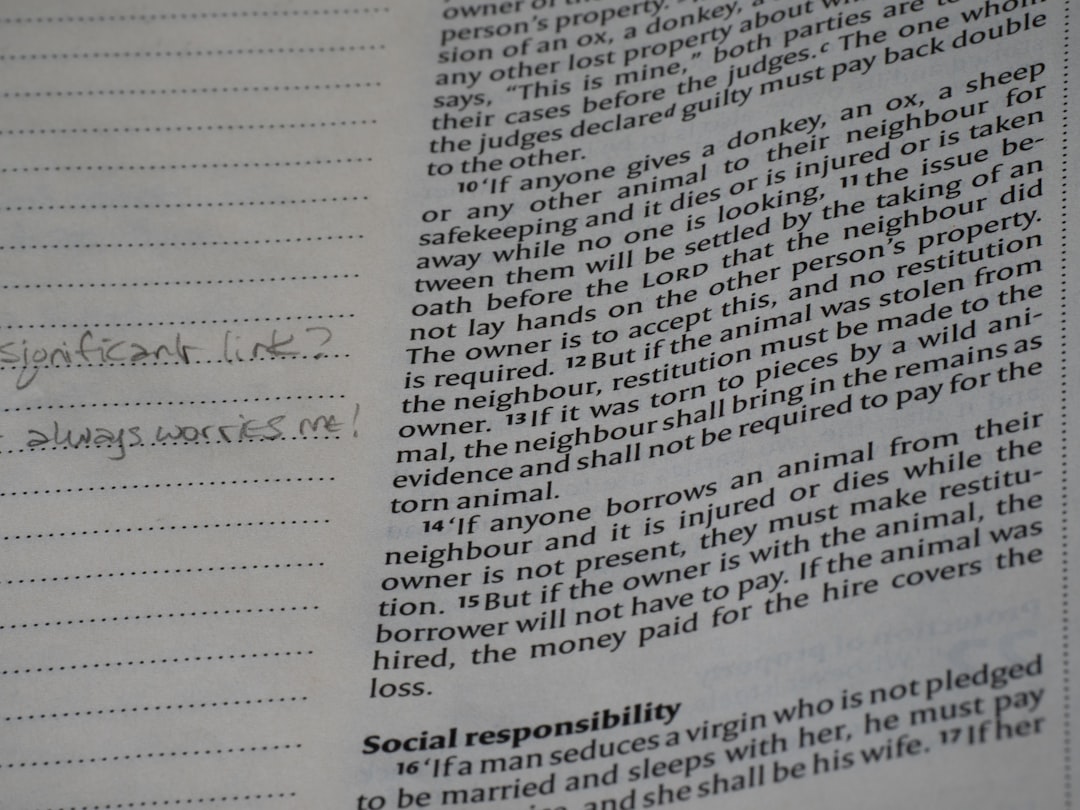
There are two primary categories:
- Online handwriting recognition: Captures pen movements in real time using stylus-based devices and tablets.
- Offline handwriting recognition: Processes scanned images or photographs of handwritten text.
Offline recognition is generally more complex because it lacks dynamic stroke data such as pen pressure and stroke sequence. Most enterprise and archival projects rely on offline recognition systems.
How Handwriting OCR Works
Modern handwriting OCR systems are powered by artificial intelligence, particularly deep learning neural networks. These systems are trained on massive datasets containing various handwriting samples.
The typical workflow includes:
- Image Preprocessing: Noise reduction, contrast enhancement, binarization, and skew correction.
- Segmentation: Breaking the text into lines, words, or individual characters.
- Feature Extraction: Identifying patterns, shapes, and structural elements in letters.
- Character Recognition: Neural networks predict characters based on learned patterns.
- Language Modeling: Contextual algorithms refine output using dictionaries and grammar probabilities.
State-of-the-art systems often use convolutional neural networks (CNNs) combined with recurrent neural networks (RNNs) or transformer-based architectures. These models learn not just individual characters but also contextual relationships within words and sentences.
Factors That Influence Accuracy
Accuracy in handwriting OCR is measured by metrics such as Character Error Rate (CER) and Word Error Rate (WER). While some systems advertise accuracy rates above 90%, real-world performance varies significantly.
The main factors affecting accuracy include:
- Handwriting legibility: Neat, consistent handwriting improves recognition rates dramatically.
- Image quality: Blurred photos, low contrast, or shadows can degrade results.
- Language complexity: Recognition accuracy varies across alphabets and scripts.
- Training data relevance: Models trained on specific writing styles or industries perform better in those domains.
- Document layout: Forms, tables, and overlapping text complicate segmentation.
In controlled environments with high-quality scans and uniform handwriting, systems may surpass 95% character accuracy. However, in historical documents or mixed-language forms, accuracy can drop below 80% without custom training.
Use Cases Across Industries
Handwriting OCR technology is increasingly deployed across multiple industries:
- Healthcare: Digitizing patient intake forms and clinical notes.
- Education: Converting handwritten exams and lecture notes into searchable records.
- Finance: Processing handwritten checks and compliance documents.
- Legal: Archiving legal notes and contracts.
- Libraries and archives: Preserving historical manuscripts.
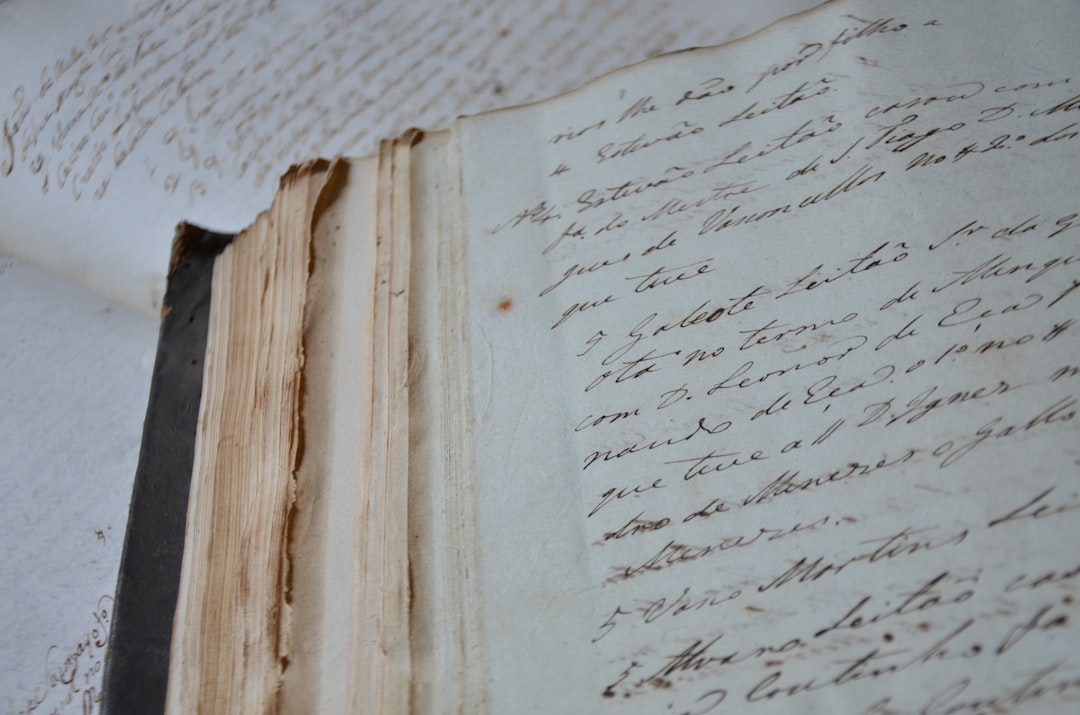
In archival contexts, handwriting OCR plays a critical role in making centuries-old materials searchable. However, due to varying ink quality and paper degradation, additional preprocessing and model customization are often required.
Cloud-Based vs. On-Premise OCR Solutions
Organizations choosing a handwriting OCR solution must evaluate deployment options.
Cloud-Based OCR
- Scalable processing power
- Regularly updated machine learning models
- API integration with existing systems
- Subscription-based pricing
Potential concerns: data privacy, regulatory compliance, and internet dependency.
On-Premise OCR
- Greater control over sensitive data
- Custom training flexibility
- Reduced exposure to external servers
Trade-offs: higher upfront costs, infrastructure maintenance, and slower model updates.
The correct choice depends on data sensitivity, processing volume, and compliance requirements.
Improving OCR Accuracy
Organizations can take proactive measures to improve handwriting recognition accuracy:
- Enhance document quality: Use high-resolution scanners (at least 300 DPI).
- Standardize input forms: Provide structured templates with clear writing spaces.
- Train custom models: Fine-tune models using domain-specific handwriting samples.
- Integrate human review: Implement verification workflows for critical documents.
- Use post-processing tools: Apply contextual language correction algorithms.

Hybrid systems that combine automated OCR with human validation often achieve the highest reliability in regulated industries.
Limitations and Challenges
Despite considerable progress, handwriting OCR still faces limitations:
- Extreme stylistic variation: Cursive scripts and personal shorthand are difficult to interpret.
- Overlapping characters: Fast writing often merges letters.
- Multilingual mixing: Switching languages mid-sentence complicates recognition.
- Noise and background artifacts: Stains or paper folds affect preprocessing.
- Low-resource languages: Insufficient training data reduces model effectiveness.
Additionally, handwriting evolves over time. A single individual’s writing style may change due to age, injury, or education, introducing further complexity into recognition algorithms.
Measuring and Benchmarking Accuracy
Before large-scale implementation, organizations should conduct structured testing. Recommended evaluation steps include:
- Sample Testing: Use representative handwriting samples from real operational sources.
- Error Analysis: Examine which words or characters fail most frequently.
- Comparison Testing: Benchmark multiple OCR tools under identical conditions.
- Performance Metrics: Track CER, WER, processing speed, and correction time.
A realistic evaluation recognizes that accuracy claims from vendors are usually based on optimized datasets. Real-world trials provide more dependable expectations.
Security and Compliance Considerations
When handling sensitive handwritten documents—such as medical records or financial forms—security considerations are paramount.
Key factors include:
- Encryption: Secure transmission and storage of scanned documents.
- Data retention policies: Defined storage duration and deletion protocols.
- Regulatory alignment: Compliance with healthcare, financial, or data protection regulations.
- Access control: Role-based permissions and audit logging.
Organizations must evaluate whether OCR providers meet industry-specific compliance standards before integration.
The Future of Handwriting OCR
Emerging advancements in artificial intelligence are steadily narrowing the gap between human and machine interpretation of handwriting. Transformer-based language models, improved contextual embeddings, and large-scale pretraining are enhancing robustness across diverse handwriting styles.
Future developments may include:
- Improved multilingual and cross-script recognition
- Real-time mobile handwriting conversion
- Automatic layout and semantic understanding
- Greater personalization of recognition models
As datasets expand and training techniques improve, handwriting OCR tools will likely become more reliable across varied and imperfect real-world conditions.
Conclusion
Handwriting OCR tools represent a significant achievement in applied artificial intelligence, enabling the transformation of handwritten content into accessible, searchable digital formats. While modern systems can achieve impressive accuracy under controlled conditions, performance depends heavily on handwriting clarity, image quality, and contextual modeling.
Organizations considering adoption should conduct thorough benchmarking, implement preprocessing best practices, and maintain realistic expectations about error rates. In high-stakes environments, combining automated OCR with human oversight provides the most dependable results.
Ultimately, handwriting OCR is not a flawless substitute for human interpretation, but it has matured into a highly capable technology that, when properly implemented, can substantially improve efficiency, accessibility, and archival preservation.