
Creating a logo used to mean hiring a designer, waiting through revision rounds, and investing a sizeable budget before a business could confidently show its face to the world. Today, AI logo generator tools have changed that process dramatically. With a few prompts, style choices, and color preferences, entrepreneurs, creators, startups, and small teams can produce polished logo concepts in minutes—often with surprisingly professional results.
TLDR: AI logo generator tools help users create professional-looking logos quickly by combining machine learning, design templates, typography, color theory, and brand inputs. They are especially useful for startups, small businesses, side projects, and creators who need attractive branding without a large upfront cost. While they may not fully replace an experienced brand designer for complex identity systems, they offer a fast, affordable, and practical way to develop strong logo concepts.
Table of Contents
What Are AI Logo Generator Tools?
AI logo generator tools are online platforms or software applications that use artificial intelligence to create logo designs based on user input. Instead of starting with a blank canvas, users typically answer questions about their brand name, industry, preferred visual style, colors, symbols, and overall personality. The tool then generates multiple logo options that can be customized further.
These tools often combine several technologies and design systems, including machine learning, prebuilt design templates, font pairing algorithms, color palette recommendations, and icon libraries. Some more advanced tools also use generative AI to create unique visual marks or abstract symbols based on written descriptions.
For example, a coffee shop owner might enter words such as warm, rustic, artisan, organic. An AI logo generator may respond with designs featuring earthy colors, hand-drawn typography, coffee bean icons, circular badges, or minimalist line art. A tech startup, on the other hand, might receive sleek geometric marks, bold sans serif fonts, and blue or purple gradients.
Why AI Logo Generators Have Become So Popular
The popularity of AI logo generators comes from one simple reason: they make design more accessible. Many business owners need a logo before they have the budget for a full branding agency. Others need temporary logos for pitch decks, product mockups, social media profiles, online stores, newsletters, podcasts, or event branding.
AI tools are appealing because they offer several practical benefits:
- Speed: Users can generate dozens of logo ideas in less than an hour.
- Affordability: Many tools are free to try or cost far less than custom design services.
- Ease of use: No advanced design knowledge is required to begin.
- Variety: AI can quickly produce different styles, layouts, icons, and color combinations.
- Customization: Most platforms allow editing of fonts, colors, spacing, shapes, and symbols.
For non-designers, the biggest advantage is confidence. A good AI logo tool gives users a guided experience, helping them make choices that look balanced and intentional. Instead of guessing which fonts match or which colors feel professional, users can build from suggestions that are already structured around common design principles.
How AI Creates Professional-Looking Logos
A professional logo usually looks simple, memorable, scalable, and appropriate for its industry. AI logo generators aim to reproduce those qualities by applying patterns learned from large collections of visual designs. They analyze how successful logos use shapes, symmetry, contrast, negative space, typography, and color.
When a user provides brand information, the AI attempts to translate words into visual decisions. A law firm logo might call for traditional serif fonts, navy or charcoal tones, and a clean emblem. A fitness brand may work better with energetic colors, bold lettering, and dynamic shapes. A children’s toy company might use playful fonts, rounded forms, and bright colors.
The process is not magic, but it can feel close to it when done well. The best tools do not simply place random icons beside text. They create visual systems where the symbol, typography, color palette, and spacing feel connected. This is what separates a professional-looking AI logo from a generic clip-art design.
Key Features to Look For in an AI Logo Generator
Not all AI logo tools are equal. Some are excellent for quick inspiration, while others offer more serious brand-building capabilities. If you want a logo that can be used professionally across websites, packaging, social media, and print materials, look for these features:
- High-resolution downloads: A logo should be available in formats suitable for digital and print use.
- Vector file options: SVG, EPS, or PDF files are important because they can be resized without losing quality.
- Transparent background: This makes the logo easier to use on websites, photos, merchandise, and presentations.
- Customizable elements: You should be able to edit colors, fonts, icons, layouts, and spacing.
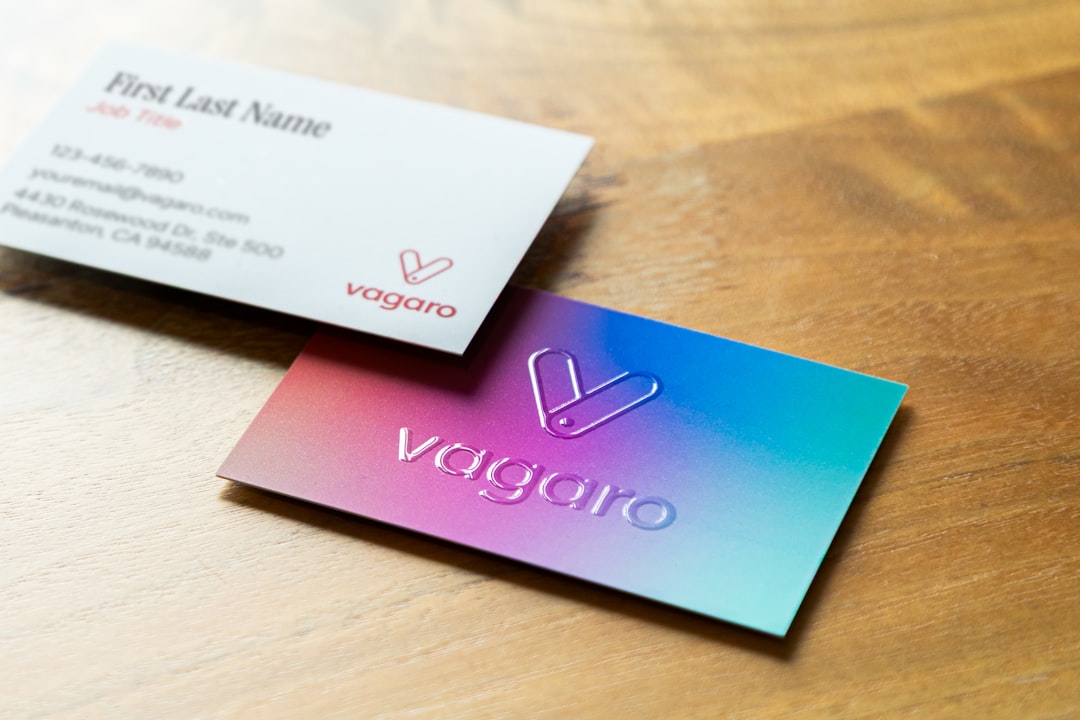
- Brand kit support: Some tools generate matching business cards, social media graphics, email signatures, and style guides.
- Commercial usage rights: Always check whether you are allowed to use the final logo for business purposes.
File quality is especially important. A logo that looks good on a screen may not work well on signage, packaging, or embroidered merchandise if it is only available as a low-resolution image. Professional branding requires flexible file formats, so this should never be overlooked.
The Role of Prompts and Brand Inputs
The quality of an AI-generated logo depends heavily on the information you provide. Vague inputs produce vague results. If you simply type “business logo,” the tool may generate something ordinary and forgettable. But if you describe your brand as “a premium skincare company focused on natural ingredients, calm luxury, and minimalist packaging,” the results will likely be more refined.
When using an AI logo generator, include details such as:
- Industry: What field is your business in?
- Audience: Who are you trying to attract?
- Personality: Should the brand feel playful, elegant, bold, trustworthy, futuristic, or handmade?
- Visual preferences: Do you prefer minimalist, vintage, geometric, luxury, organic, or illustrative styles?
- Color direction: Are there colors to use or avoid?
- Symbols: Are there objects, initials, animals, abstract forms, or cultural references that matter?
Think of the AI as a creative assistant. It can generate strong options, but it needs thoughtful direction. The clearer your brand brief, the more useful the results will be.
Advantages for Startups and Small Businesses
For startups, timing matters. A new company may need branding before launching a website, applying for funding, creating social pages, or building a product demo. AI logo generator tools can help teams move quickly without letting design become a bottleneck.
Small businesses also benefit because they often work with limited budgets. A local bakery, fitness trainer, cleaning service, handmade jewelry shop, or mobile app developer may not need a full agency-level identity at the beginning. An AI-generated logo can provide a clean, credible starting point.
There is also value in exploration. Even if a company eventually hires a designer, AI-generated concepts can help clarify preferences. A founder may discover that they prefer a wordmark over an icon, a muted palette over bright colors, or a modern look over a vintage one. This makes future creative discussions more productive.
Limitations to Keep in Mind
AI logo generators are powerful, but they are not perfect. They can produce designs that look attractive, yet still feel somewhat generic. Because many tools rely on common design patterns, there is a risk that your logo may resemble other logos in the same industry.
Another limitation is strategic depth. A professional brand designer does more than make something look nice. They consider market positioning, competitor differentiation, long-term brand architecture, cultural meaning, and emotional storytelling. AI tools can assist with visual creation, but they do not always understand the full business strategy behind a brand.
There may also be legal and originality concerns. Users should carefully review licensing terms and consider conducting trademark research before committing to a logo. This is especially important if the business plans to scale, franchise, raise investment, or operate internationally.
How to Make an AI-Generated Logo Look More Professional
The difference between an average AI logo and a refined one often comes down to editing. Do not simply accept the first result. Generate multiple versions, compare them, and look closely at proportion, readability, uniqueness, and versatility.
Here are several ways to improve your final design:
- Choose simplicity over complexity: A logo should remain recognizable at small sizes.
- Limit the color palette: Two or three colors are usually enough for a strong identity.
- Test in black and white: If the logo only works in full color, it may not be flexible enough.
- Check readability: Make sure the brand name is clear on mobile screens and printed materials.
- Avoid overused icons: Generic globes, light bulbs, swooshes, and abstract people can feel dated.
- Balance the layout: The text and symbol should feel visually aligned, not randomly placed together.
It is also smart to test your logo in real-world contexts. Place it on a website header, social media profile image, business card, product label, invoice, and presentation slide. A design that looks impressive in isolation may not perform well in practical use.
Popular Use Cases for AI Logo Generator Tools
AI logo generators are useful across many industries and creative projects. They are commonly used for online stores, podcasts, YouTube channels, newsletters, mobile apps, online courses, real estate businesses, restaurants, wellness brands, consulting firms, and nonprofit campaigns.
They are also valuable for temporary or experimental branding. For example, a team might need a logo for a hackathon project, an internal company initiative, a seasonal promotion, or a product prototype. In these cases, speed and visual quality matter more than building a permanent brand identity.
Creators also use AI logos to establish a consistent personal brand. A writer, coach, musician, gamer, or digital artist can create a logo for profile images, merchandise, banners, and media kits without needing to master design software.
AI Logo Tools and Human Creativity
One of the most interesting things about AI logo generators is that they do not remove creativity from the process; they change where creativity happens. Instead of manually drawing every shape from scratch, users become creative directors. They guide the tool, evaluate options, refine details, and decide what best represents the brand.
This can be empowering. Many people have strong ideas about how their brand should feel, but lack the technical design skills to express those ideas visually. AI bridges that gap by turning rough preferences into tangible concepts.
At the same time, human taste remains essential. AI can generate options, but people still decide what feels authentic, distinctive, and emotionally right. The strongest results often come from combining AI speed with human judgment.
The Future of AI Logo Design
AI logo design is likely to become more personalized, interactive, and brand-aware. Future tools may be able to analyze competitor logos, recommend differentiation strategies, generate complete visual identity systems, and adapt logos automatically for different platforms. We may also see more advanced animation, 3D logo generation, and responsive logo systems that change intelligently depending on screen size or context.
Another likely development is deeper integration with business tools. A user may create a logo and instantly apply it to a website, pitch deck, email template, storefront, product mockup, video intro, and advertising campaign. This will make AI branding tools even more useful for fast-moving teams.
Final Thoughts
AI logo generator tools have made professional-looking design more accessible than ever. They are fast, affordable, and surprisingly capable, especially for entrepreneurs and small businesses that need a strong visual starting point. With the right prompts, careful customization, and attention to file quality, an AI-generated logo can look polished and credible across many brand touchpoints.
However, the best results come from treating AI as a collaborator rather than a complete replacement for strategy and taste. A logo is not just decoration; it is a symbol of trust, personality, and recognition. Used thoughtfully, AI logo generators can help turn a new idea into a brand that looks ready for the world.