

Walk up to a busy museum, amusement park, theater, stadium, or seasonal attraction today, and the first impression often happens before guests ever see the main event. It happens at the ticketing booth. A slow line, confusing pricing, or payment delay can create frustration immediately; a smooth, modern check-in can make the experience feel organized, premium, and welcoming. That is why modern ticketing booth software has become a core part of event and attraction operations, not just a back-office convenience.
TLDR: Modern ticketing booth software helps events and attractions sell tickets faster, manage admissions more accurately, and improve the guest experience from the first point of contact. It combines point-of-sale tools, online ticketing, access control, reporting, and customer management in one connected system. For operators, the right platform can reduce lines, prevent overselling, support multiple payment types, and provide real-time data for smarter decisions.
Table of Contents
Why Ticketing Booth Software Matters More Than Ever
In the past, a ticket booth might have needed only a cash drawer, printed ticket rolls, and a staff member with a seating chart or price list. Today, expectations are very different. Guests arrive with mobile wallets, pre-purchased digital tickets, discount codes, group passes, membership benefits, and timed-entry reservations. At the same time, operators need to track capacity, staffing, revenue, attendance patterns, and security in real time.
Modern ticketing booth software acts as the operational hub that connects all of these moving parts. It allows the physical booth to work in sync with online sales, mobile scanning, customer databases, marketing tools, and financial reporting. Instead of treating the booth as a separate sales point, the software turns it into part of a unified admissions ecosystem.
Key Features of Modern Ticketing Booth Software
While every platform is different, strong ticketing booth software usually includes a core set of features designed for speed, accuracy, and flexibility. These tools help staff serve guests quickly while giving managers a clearer view of the business.
- Point-of-sale ticketing: Staff can sell general admission, reserved seating, timed-entry passes, VIP packages, add-ons, and merchandise from the same interface.
- Online and booth synchronization: Tickets sold online are reflected instantly at the booth, helping prevent double-booking or capacity errors.
- Barcode and QR code scanning: Digital and printed tickets can be validated quickly, reducing manual checks and fraud risk.
- Flexible pricing: Operators can create child, adult, senior, student, group, member, early bird, peak-time, and promotional pricing structures.
- Multiple payment options: Credit cards, debit cards, mobile wallets, cash, gift cards, and vouchers can be supported in one system.
- Real-time reporting: Managers can track sales, attendance, revenue, refunds, and staff performance as they happen.
- Capacity management: Events and attractions can limit entries by time slot, venue area, seat, or overall occupancy.
- Customer data capture: Names, emails, preferences, purchase history, and membership status can be stored for future engagement.
Speed at the Booth: The Guest Experience Factor
For guests, the most noticeable benefit of modern software is speed. No one wants to spend half an hour in line while staff search for reservations, calculate discounts, or troubleshoot payments. A well-designed ticketing interface reduces the number of clicks required to complete a sale and presents staff with clear options, prompts, and availability information.
Fast transactions are especially important during peak arrival windows. Think of a concert where thousands of attendees show up within an hour, a haunted attraction on a Saturday night, or a zoo during a holiday weekend. Even a few seconds saved per guest can dramatically reduce wait times. When lines move quickly, staff feel less pressure, guests remain happier, and the venue appears more professional.
Good software also supports self-service behavior. Guests who purchased tickets online can head directly to a scanning point, while those who need assistance can visit the booth. This separates quick admissions from complex transactions and keeps the overall flow moving.
Better Capacity Control and Timed Entry
Capacity management has become one of the defining features of modern admissions. Many venues use timed entry to control crowd density, protect the guest experience, and meet safety requirements. Ticketing booth software can show exactly how many tickets are available for each time slot and prevent staff from selling beyond limits.
This is useful for museums with gallery capacity limits, escape rooms with strict session times, amusement attractions with ride reservation windows, tours with limited guide availability, and seasonal events where parking or queue space is constrained. Instead of relying on manual counts or paper logs, operators can make informed admission decisions based on live data.
Timed entry also creates a better experience for guests. When arrivals are distributed more evenly throughout the day, visitors encounter shorter lines, less crowding, and more predictable access. The software helps turn capacity control from a restriction into a service improvement.
Connecting Online Sales With On-Site Operations
One of the biggest advantages of modern ticketing booth software is the connection between online ticketing and on-site sales. Guests increasingly prefer to buy tickets in advance, compare options on their phones, and arrive with a digital pass. However, walk-up sales still matter, especially for tourist attractions, fairs, local events, and impulse visits.
A connected system ensures that both channels draw from the same inventory. If a time slot sells out online, booth staff see that immediately. If staff sell the last few tickets at the gate, the website updates as well. This reduces guest disappointment, prevents awkward explanations, and protects operators from accidentally overselling.
It also makes promotions easier to manage. For example, a venue might run an online discount for weekday mornings, offer a local resident rate at the booth, and provide members with free admission. Modern software can keep these rules organized and apply them consistently.

Payments, Security, and Fraud Prevention
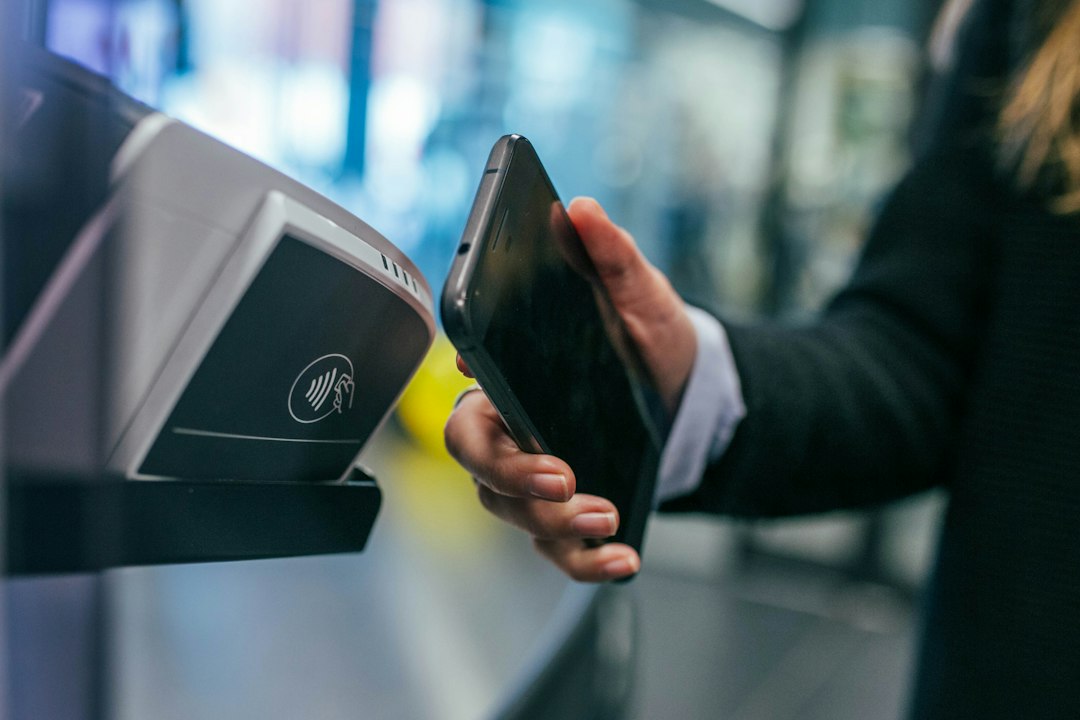
Modern guests expect payment flexibility. Many no longer carry cash, while others may prefer contactless payment for convenience. Ticketing booth software should integrate with reliable payment processors and hardware, making transactions fast and secure. Contactless cards, chip readers, tap-to-pay phones, and digital wallets are now standard expectations in many markets.
Security is another major concern. Paper tickets can be copied, misplaced, or resold improperly. Digital ticketing with unique QR codes or barcodes helps verify authenticity. Once a ticket is scanned, the system marks it as used, preventing repeat entry. For reserved seating or high-demand events, this can significantly reduce disputes and fraudulent access.
Access permissions for staff are also important. A cashier may only need to sell tickets, while a supervisor may be authorized to process refunds, issue comps, or adjust prices. Strong software allows role-based permissions, helping reduce errors and protecting revenue.
Reporting That Turns Admissions Into Insights
A ticket booth generates valuable information every day. Without modern software, much of that information is lost or delayed. With the right platform, operators can view performance from multiple angles: daily revenue, busiest entry times, most popular ticket types, conversion rates, refund patterns, online versus walk-up sales, and attendance by date or event.
These insights help answer practical questions, such as:
- Which days need more front-gate staff?
- Are guests choosing premium packages or basic admission?
- Do discounts increase attendance enough to justify the lower price?
- Which marketing campaigns are driving ticket purchases?
- Are no-shows affecting expected attendance?
- Should operating hours be extended during peak days?
For attractions with food, retail, or add-on experiences, ticketing data can also support broader planning. If attendance typically spikes between 11 a.m. and 2 p.m., managers can adjust concession staffing, restock merchandise, and schedule entertainment accordingly.
Customer Experience Beyond the Ticket
Ticketing is not only about admission; it is also a gateway to customer relationships. When software captures guest information with permission, venues can follow up with confirmations, reminders, event updates, membership offers, surveys, and future promotions. This turns a one-time visit into an opportunity for long-term engagement.
For example, a children’s museum might promote birthday party packages to families who bought child admission. A theater might invite past attendees to a similar performance. A theme park might offer a season pass upgrade after a day ticket purchase. These communications are more effective when based on accurate ticketing history rather than guesswork.
However, this must be handled responsibly. Modern systems should support privacy compliance, clear opt-ins, secure data storage, and easy unsubscribe options. Trust is part of the guest experience, and responsible data practices are essential.
Hardware Compatibility and Booth Setup
Software is only one part of the ticketing booth environment. The best results come when software and hardware work together smoothly. A typical setup may include touchscreen terminals, receipt printers, ticket printers, cash drawers, barcode scanners, payment terminals, customer-facing displays, and network equipment.
Some venues prefer fixed booth stations, while others use tablets or mobile point-of-sale devices. Mobile ticketing stations are especially useful for outdoor festivals, pop-up attractions, large queues, and venue entrances with multiple access points. Staff can move through lines, assist guests before they reach the window, or open temporary sales points during rush periods.
Choosing the Right Ticketing Booth Software
Selecting a platform should involve more than comparing feature lists. The right choice depends on the type of venue, transaction volume, staffing model, ticket complexity, and growth plans. A small local attraction may need simplicity and affordability, while a large venue may require advanced integrations, reserved seating, membership management, and enterprise reporting.
Important evaluation criteria include:
- Ease of use: Staff should be able to learn the system quickly, especially if seasonal or part-time employees are common.
- Reliability: The software must perform well during high-traffic periods, not just on quiet days.
- Offline functionality: If the internet connection fails, the booth should still be able to process critical operations when possible.
- Integration options: Consider accounting software, CRM platforms, access gates, email marketing tools, and website systems.
- Scalability: The platform should handle more events, more ticket types, and more locations as the organization grows.
- Support and training: Responsive support is crucial when issues occur during live operations.
- Total cost: Review subscription fees, transaction fees, hardware costs, setup charges, and payment processing rates.
The Future of Ticketing Booth Technology
Ticketing booth software continues to evolve. Artificial intelligence may help forecast attendance, recommend staffing levels, or detect unusual sales patterns. Biometric access, while sensitive and highly regulated, may appear in some high-security or membership-based environments. Dynamic pricing may become more common, adjusting ticket costs based on demand, weather, inventory, or purchase timing.
At the same time, the human element will remain important. Guests still need help with questions, accessibility needs, lost tickets, refunds, upgrades, and special circumstances. The goal of technology is not to remove hospitality from the entrance experience; it is to give staff better tools so they can be more helpful, informed, and efficient.
Final Thoughts
Modern ticketing booth software is much more than a digital cash register. It is a central system that supports sales, admissions, capacity, payments, reporting, customer engagement, and operational planning. For events and attractions, it can mean shorter lines, fewer errors, stronger revenue control, and a smoother guest journey from the first interaction.
Whether managing a concert venue, aquarium, festival, theme park, theater, historic site, or seasonal attraction, investing in the right ticketing software can have an immediate and lasting impact. The ticket booth may be a small physical space, but with modern software behind it, it becomes one of the most powerful control points in the entire visitor experience.