
For photographers who love the tactile charm of classic cameras but still want modern image quality, the Fujifilm X-T20 remains one of the most appealing mirrorless bodies in the used and enthusiast market. It takes much of the imaging power of the higher-end X-T2 and places it into a smaller, lighter, more approachable package. Even years after its release, the X-T20 is still a compelling option for travel, street, family, portrait, and everyday photography.
TLDR: The Fujifilm X-T20 is a compact mirrorless camera with excellent image quality, beautiful color science, fast autofocus, and classic manual controls. It is best suited to photographers who want a lightweight everyday camera without sacrificing serious creative control. Its lack of weather sealing and in-body image stabilization are worth noting, but for still photography, it remains a very capable and enjoyable camera.
Table of Contents
Overview: A Small Camera with Serious Ambition
The Fujifilm X-T20 sits in an interesting place in Fujifilm’s X Series lineup. It is not a professional flagship, but it borrows enough technology from the X-T2 to feel much more powerful than its size suggests. Inside, it features a 24.3 megapixel APS-C X-Trans CMOS III sensor paired with the X-Processor Pro image engine. This combination produces crisp, richly detailed files with the distinctive Fujifilm color rendering that many photographers love.
At first glance, the X-T20 looks like a miniature SLR from the film era. It has a central viewfinder hump, metal top dials, a compact body, and a minimalist design. However, beneath that retro exterior is a flexible digital camera capable of handling a wide range of photographic situations. Whether you are shooting city streets, environmental portraits, landscapes, or documentary work, the X-T20 offers a satisfying blend of portability and performance.
Build Quality and Design
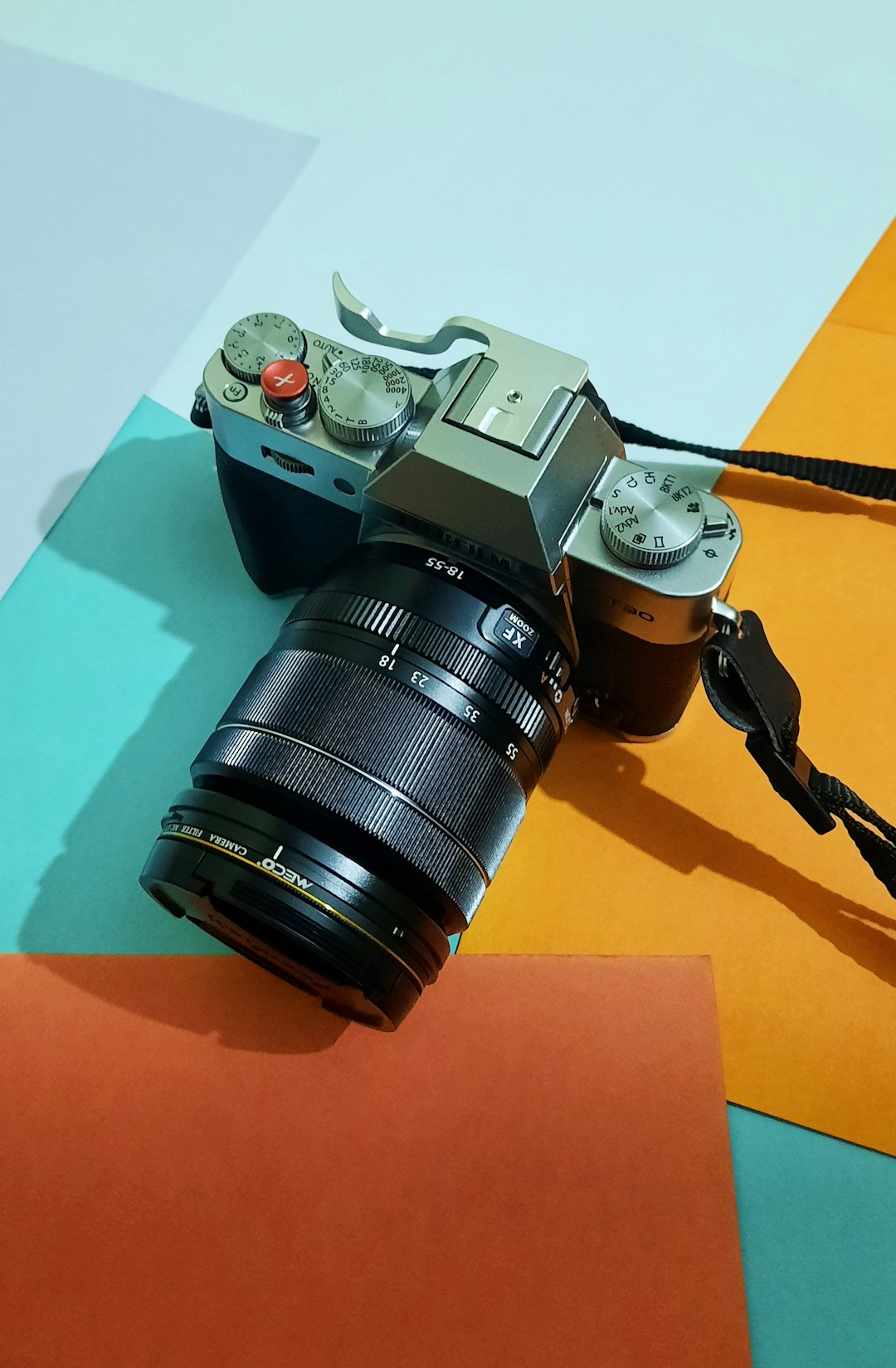
The X-T20 is small, light, and beautifully styled. At around 383 grams with battery and memory card, it is easy to carry all day. This makes it especially attractive for photographers who are tired of bulky DSLR kits but still want interchangeable lenses and high-quality files.
The body has a solid feel, though it is not as rugged as Fujifilm’s higher-end models. Unlike the X-T2 or X-T3, the X-T20 does not offer weather sealing. If you regularly shoot in heavy rain, dusty environments, or tough outdoor conditions, that limitation matters. For everyday use, travel, and casual outdoor photography, however, the build is more than adequate.
One of the strongest parts of the design is the control layout. The top plate includes dedicated dials for shutter speed and exposure compensation, along with a drive dial. Aperture is controlled from the lens on many Fujifilm lenses, giving the camera a very traditional shooting experience. Photographers who enjoy working manually will appreciate how quickly settings can be adjusted without diving into menus.
Handling and Ergonomics
Because the X-T20 is compact, its grip is modest. With small prime lenses, such as the 23mm f/2, 35mm f/2, or 18mm f/2, the camera feels extremely well balanced. With larger zooms, like the 16-55mm f/2.8, the body can feel a little front-heavy. This is not a dealbreaker, but it is something to consider if you prefer larger lenses.
The rear of the camera includes a tilting touchscreen, which is useful for low-angle and waist-level shooting. Street photographers, in particular, may enjoy composing from the hip without drawing much attention. The touchscreen can be used for focus point selection and image review, though it is not as advanced as the touch interfaces found on newer cameras.
The electronic viewfinder is bright and clear enough for most situations. It is smaller than the viewfinder on Fujifilm’s higher-end bodies, but it still provides accurate exposure preview, focus peaking, and a useful live view experience. For photographers moving from an optical DSLR viewfinder, the ability to see exposure and film simulation effects before pressing the shutter can be a major advantage.
Image Quality: The Main Reason to Buy It
The X-T20’s image quality is excellent. Its 24.3 megapixel APS-C sensor delivers sharp, detailed images with strong dynamic range and very pleasing color. Fujifilm’s X-Trans sensor design avoids the traditional Bayer pattern used by many other cameras, and while this has sparked plenty of debate among pixel peepers, real-world results are impressive.
JPEG shooters will find a lot to love. Fujifilm’s film simulations are among the best in the camera world, and the X-T20 includes favorites such as:
- Provia for natural, balanced color
- Velvia for vivid landscapes and punchy tones
- Astia for softer color and flattering portraits
- Classic Chrome for muted documentary-style images
- Acros for rich black-and-white photography
The Acros simulation is especially noteworthy. It produces black-and-white images with beautiful contrast and tonality, making the X-T20 a fantastic camera for monochrome street and documentary work. Many photographers find that Fujifilm JPEGs need very little editing, which is ideal for travel or fast turnaround workflows.
RAW files are also highly flexible. You can recover highlights, lift shadows, and fine-tune color with excellent results. While full-frame cameras offer advantages in extreme low light and shallow depth of field, the X-T20’s APS-C sensor is more than capable for professional-looking photography.

Autofocus Performance
The X-T20 uses a hybrid autofocus system with both phase detection and contrast detection points. In practice, it is quick, accurate, and reliable for general photography. Single-point autofocus works very well for portraits, landscapes, details, and still subjects. Face detection is useful for casual portraits and family photography, though it is not as advanced as the subject recognition systems found in newer cameras.
Continuous autofocus is respectable, especially for a camera in this class. It can track moving subjects reasonably well, particularly in good light. Sports, wildlife, and fast action are not its strongest areas, but it can handle children running, cyclists, pets, and moderate movement with the right settings.
For photographers who mostly shoot still subjects, street scenes, portraits, and travel images, the autofocus system is more than sufficient. If you rely heavily on advanced eye autofocus or high-speed subject tracking, newer Fujifilm models will offer a clear advantage.
Lens Ecosystem
One of the biggest reasons to consider the X-T20 is access to Fujifilm’s excellent X-mount lens lineup. Fujifilm has built one of the strongest APS-C lens systems available, with high-quality primes and zooms that pair beautifully with the compact body.
Some excellent lens matches for the X-T20 include:
- XF 23mm f/2 R WR: A compact street and everyday lens with a classic 35mm equivalent field of view.
- XF 35mm f/2 R WR: Small, sharp, and ideal for portraits, details, and general photography.
- XF 18-55mm f/2.8-4 R LM OIS: One of the best kit zooms available, with optical stabilization and strong image quality.
- XF 27mm f/2.8: A pancake lens that turns the X-T20 into an extremely portable everyday camera.
- XF 56mm f/1.2 R: A beautiful portrait lens with creamy background blur.
The smaller f/2 primes are particularly well suited to the X-T20. They maintain the compact spirit of the camera while delivering sharp images and fast autofocus. Although some of these lenses are weather resistant, remember that the X-T20 body itself is not weather sealed.
Performance and Shooting Experience
The X-T20 is a quick camera in daily use. Startup time is fast, shutter response is snappy, and menu navigation is generally smooth. It can shoot up to 8 frames per second with the mechanical shutter, which is useful for capturing brief moments, expressions, or movement. With the electronic shutter, it can go faster, though rolling shutter can be an issue with fast-moving subjects.
Battery life is decent but not exceptional. Like many mirrorless cameras of its generation, the X-T20 benefits from carrying a spare battery, especially during travel or long shooting days. The NP-W126S battery is compact, so keeping one or two extras in a bag is easy.
The camera also includes built-in Wi-Fi for transferring images to a phone or tablet. Fujifilm’s app experience has historically been somewhat inconsistent, but for basic image sharing, it gets the job done. If you want to post JPEGs quickly while traveling, this feature can be genuinely useful.
Video Capabilities
Although this review is focused on photographers, it is worth mentioning that the X-T20 can record 4K video and Full HD footage. The video quality is good for casual use, behind-the-scenes clips, family memories, and lightweight content creation. However, it is not as video-focused as newer hybrid cameras.
Limitations include shorter recording times, no in-body image stabilization, and less advanced video controls compared with modern models. If video is your primary focus, you may want to look at newer Fujifilm cameras such as the X-S10, X-T30 II, or X-S20. But as a stills-first camera with occasional video ability, the X-T20 performs respectably.
Strengths for Photographers
The X-T20 has several qualities that make it especially attractive to photographers:
- Excellent image quality from a proven 24.3 megapixel APS-C sensor.
- Beautiful JPEG colors with Fujifilm’s popular film simulations.
- Compact and lightweight body that encourages everyday carry.
- Classic control layout with dedicated dials for a hands-on shooting experience.
- Strong lens ecosystem with many compact primes and high-quality zooms.
- Good autofocus for general photography, portraits, travel, and street work.
Perhaps its greatest strength is how enjoyable it feels in use. Some cameras are technically impressive but uninspiring. The X-T20, by contrast, invites you to pick it up and shoot. Its controls, colors, and size make photography feel intuitive and fun.
Weaknesses and Limitations
No camera is perfect, and the X-T20 has a few drawbacks. The most obvious is the lack of weather sealing. If durability in harsh conditions is essential, this may not be the best choice. It also lacks in-body image stabilization, so handheld low-light shooting depends on lens stabilization, fast apertures, or higher ISO settings.
The grip may feel too small for photographers with larger hands, especially when using heavier lenses. The touchscreen interface is useful but limited by modern standards. Autofocus is good, but not comparable to the latest subject-detection systems. Battery life is adequate rather than outstanding.
Still, these limitations should be viewed in context. The X-T20 was designed as a compact enthusiast camera, not a rugged professional flagship. For its size, price, and target audience, it delivers a very strong overall experience.
Who Should Buy the Fujifilm X-T20?
The X-T20 is ideal for photographers who want a small, stylish, high-quality camera for everyday creative work. It is especially well suited to:
- Travel photographers who want great image quality without carrying a heavy kit.
- Street photographers who value discretion, fast operation, and excellent JPEGs.
- Portrait photographers looking for beautiful color and access to Fujifilm’s prime lenses.
- Beginners who want room to grow into manual controls and interchangeable lenses.
- Enthusiasts who want a second body or a compact alternative to larger systems.
It may not be the best choice for professional sports shooters, wildlife specialists, or photographers who frequently work in severe weather. But for most everyday and creative photography, it remains highly capable.
Final Verdict
The Fujifilm X-T20 is a camera that balances performance, portability, and personality exceptionally well. Its sensor produces beautiful images, its film simulations are genuinely useful, and its compact body makes it easy to bring along almost anywhere. While newer cameras offer better autofocus, improved video, and features like in-body stabilization, the X-T20 still holds up impressively as a photographer’s tool.
For photographers who value experience as much as specifications, the X-T20 is easy to recommend. It encourages thoughtful shooting without feeling slow, and it delivers files that are both technically strong and visually appealing. If you can find one at a good price, especially paired with a compact Fujifilm prime or the excellent 18-55mm zoom, the X-T20 remains one of the most enjoyable mirrorless cameras in its class.