
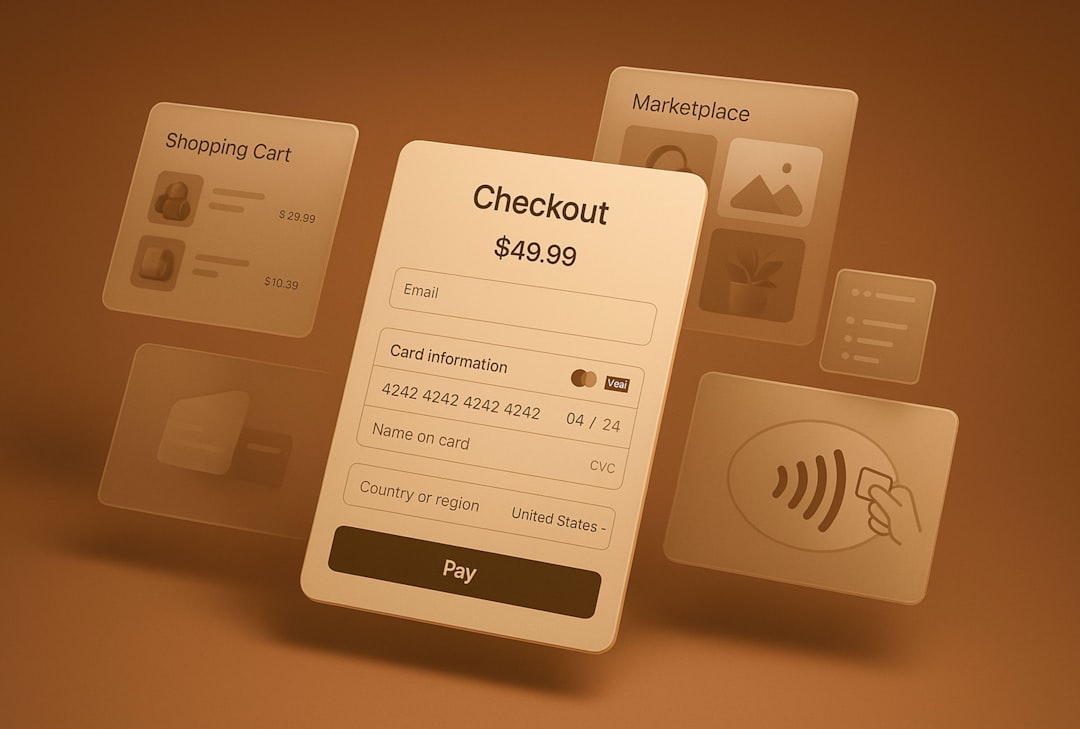
AI-powered purchasing is quickly moving from novelty to everyday commerce. A shopper may ask a digital assistant to reorder household items, compare travel options, or buy office supplies within a budget. Behind that convenience, however, sits a critical security challenge: the AI agent needs enough authority to complete a purchase, but it should never expose the customer’s real payment credentials. Agentic tokenization helps solve that problem by replacing sensitive card or account details with controlled, limited-use tokens designed specifically for AI-driven transactions.
TLDR: Agentic tokenization protects customer credentials by giving AI purchasing agents a restricted digital substitute instead of the shopper’s actual payment data. For example, a customer could authorize an AI assistant to spend up to $75 on pet food from one approved retailer, while the real card number remains hidden. If the token is stolen, it may be useless outside that exact merchant, amount, timeframe, or purchase category. This greatly reduces fraud exposure while allowing faster, more convenient AI-assisted checkout.
Table of Contents
What Agentic Tokenization Means
Traditional tokenization replaces sensitive payment information, such as a card number, with a random token that merchants and processors can use for authorization. Agentic tokenization extends that idea for purchases initiated or managed by AI agents. The token is not merely a substitute for a card; it also carries rules about what the agent is allowed to do.
These rules may include spending limits, merchant restrictions, product categories, expiration windows, geographic controls, and authentication requirements. In other words, the AI agent receives a purpose-built payment credential, not open-ended access to the customer’s account.

Why AI Purchases Create New Credential Risks
AI agents can browse, compare, negotiate, select, and purchase with minimal human involvement. This creates a different risk profile from a normal checkout session. In a traditional online purchase, the customer directly enters payment details or uses a saved wallet. In an AI-powered purchase, the agent may interact with multiple platforms, read product data, and send information through different systems before checkout.
That chain of activity increases the number of places where credentials could be mishandled. If an AI tool stored a real card number, transmitted it to a merchant, or exposed it through a compromised plugin, the customer could face unauthorized charges. Agentic tokenization limits this risk by ensuring that the AI agent never receives the underlying credential.
How the Process Works
Although implementations vary, the process usually follows a structured flow:
- The customer gives intent: The shopper instructs the AI agent to make a purchase, such as “Buy printer paper under $40 from an approved office supply store.”
- Rules are created: A token service defines the boundaries, including merchant, amount, expiration, category, and frequency.
- A token is issued: The AI receives a token instead of the real card number or bank credential.
- The agent completes checkout: The merchant processes the token through the payment network or wallet provider.
- The transaction is verified: If the purchase matches the token rules, it is approved. If not, it is declined.
This structure makes the payment credential context aware. A token created for groceries cannot be used to buy electronics. A token issued for one transaction cannot be reused for a second purchase if single-use rules are enabled.
Credential Protection Through Limited Authority
The central security advantage is the principle of least privilege. The AI agent receives only the authority needed for a specific task. It does not need permanent access to the customer’s card, bank account, or wallet credentials.
For instance, an employee might authorize a company AI assistant to purchase travel supplies up to $300 before a conference. The token could be limited to approved vendors and expire in 48 hours. If an attacker intercepted it later, the token would no longer work. If someone tried to use it for unrelated products, the transaction would fail.
This approach helps protect against several common threats:
- Credential theft: Real payment details are not shared with the AI agent or exposed to merchants unnecessarily.
- Prompt injection abuse: If a malicious website tries to trick the AI into buying something else, token rules can block the transaction.
- Excessive spending: Amount limits prevent the agent from completing purchases beyond the customer’s approval.
- Merchant misuse: Tokens can be locked to specific sellers or verified merchant categories.
- Data breach impact: Stolen tokens are less valuable than real credentials because they are constrained and temporary.
Why Tokens Are Better Than Stored Credentials
Saved credentials can improve convenience, but they also create long-term risk. If an AI platform stores reusable payment information, a breach could expose credentials that remain valid for months or years. Agentic tokens are designed to be temporary, narrow, and revocable.
A stored card may authorize many types of purchases. A properly configured agentic token may authorize only one. That distinction matters because AI agents often operate across a broader digital environment than a single checkout page. By reducing the value and lifespan of the credential, tokenization turns a potentially serious compromise into a much smaller incident.
Trust, Transparency, and Customer Control
Agentic tokenization also supports clearer customer control. Before a token is issued, the customer or organization can define exact permissions. The AI assistant may be allowed to compare products freely, but it can only purchase within approved boundaries.
This helps make AI commerce more transparent. A customer can see that the assistant was authorized to spend $60 at a pharmacy, not that it had unlimited wallet access. Businesses can also keep audit logs showing when tokens were created, what rules applied, and why a transaction was approved or declined.
For regulated industries, this type of auditability is especially important. Finance, healthcare, travel, and enterprise procurement teams need records that prove customer credentials were protected and that automated purchasing complied with policy.
Role in Fraud Detection
Agentic tokenization does not replace fraud detection, but it improves it. Because each token is created with a specific context, payment systems can compare the attempted transaction against expected behavior. If a token intended for a one-time software subscription is suddenly used for luxury goods, the mismatch is obvious.
Payment providers can also combine token data with device signals, behavioral analytics, merchant reputation, and transaction velocity. For example, if 95% of valid agentic purchasing tokens are used within ten minutes of issuance, a token used days later may trigger additional review or automatic rejection.
Business Benefits for AI Commerce
For merchants, agentic tokenization can reduce fraud losses and increase customer confidence. Shoppers may be more willing to let AI assistants complete purchases if they know their real payment credentials remain hidden. Payment providers and platforms can also reduce the compliance burden because fewer systems handle sensitive data directly.
Enterprises benefit as well. Procurement teams can delegate routine purchases to AI while enforcing policy automatically. Instead of giving an AI system access to a corporate card, a company can issue transaction-specific tokens with budget, vendor, and department rules.

Challenges to Consider
Agentic tokenization still requires careful design. Token rules must be precise enough to prevent abuse but flexible enough to avoid blocking legitimate purchases. Merchants, wallet providers, payment networks, and AI platforms must also coordinate standards for token creation, verification, and revocation.
Another challenge is user experience. If customers must approve every minor detail, AI purchasing loses convenience. If approvals are too broad, security weakens. The best systems will likely use layered permissions: low-risk purchases may proceed automatically, while unusual or higher-value purchases require step-up authentication.
The Future of Safer AI Purchases
As AI agents become more capable, payment security must evolve from simple credential storage to intelligent authorization. Agentic tokenization provides a practical model: let the AI act, but only within clearly defined limits. It protects the customer’s real credentials while preserving the speed and usefulness of automated purchasing.
In the long term, customers may not think about tokenization at all. They will simply expect AI assistants to buy safely, respect budgets, and prevent credential exposure. Behind the scenes, agentic tokens will help make that trust possible.
FAQ
What is agentic tokenization?
Agentic tokenization is the use of restricted payment tokens for AI agents. It allows an AI assistant to complete approved purchases without accessing the customer’s real card number, bank details, or wallet credentials.
How does it protect customer credentials?
It replaces sensitive credentials with a limited-use token. The token can be restricted by merchant, amount, product category, time period, and transaction type, making it far less useful if stolen.
Can an AI agent spend more than the customer allows?
Not if the token is properly configured. Spending limits and transaction rules can automatically decline purchases that exceed the customer’s authorization.
Is agentic tokenization the same as normal payment tokenization?
It is related, but more advanced. Normal tokenization hides payment data, while agentic tokenization also defines what an AI agent is permitted to purchase and under what conditions.
Does this remove the need for fraud monitoring?
No. Fraud monitoring is still important. However, agentic tokenization strengthens fraud prevention by giving payment systems clearer context about what each transaction is supposed to be.
Who benefits from agentic tokenization?
Customers, merchants, payment providers, and businesses all benefit. Customers gain credential protection, merchants reduce fraud risk, and organizations can safely automate routine purchasing through AI agents.