
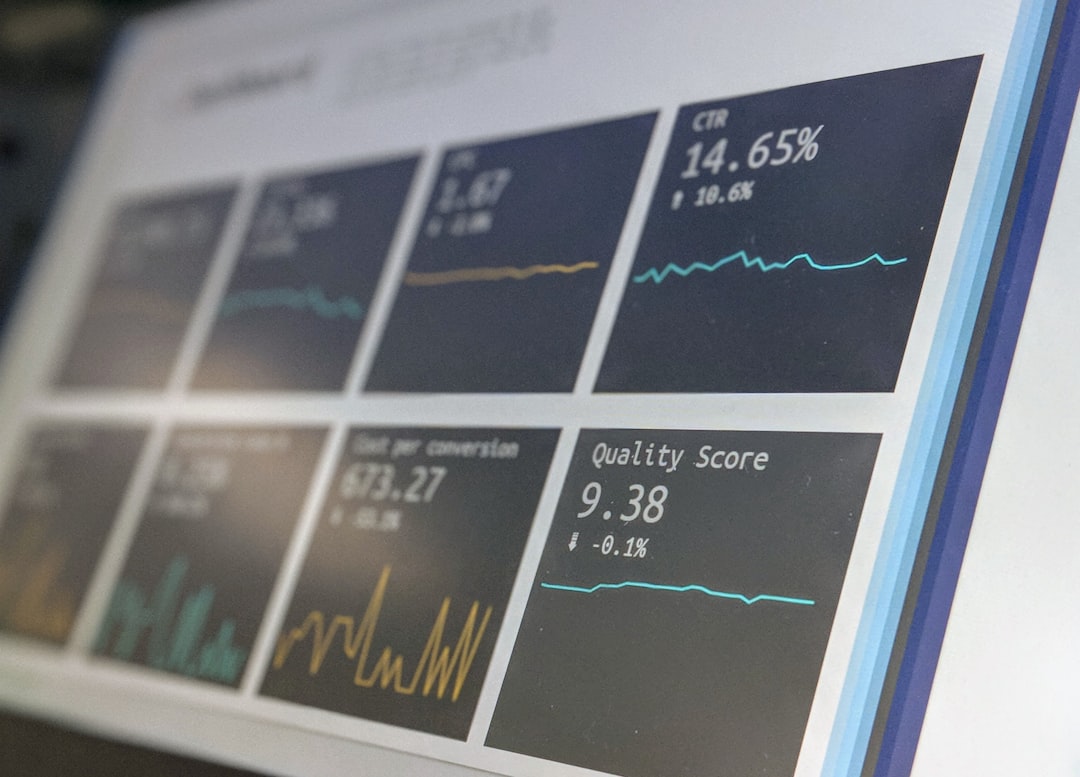
Measure brand visibility by tracking two things together: awareness and search presence. Awareness tells you whether people know your brand exists. Search presence tells you whether they can find you when they show intent. If you only measure one, you get a blurry picture.
TLDR: Brand visibility performance in the US should be measured with a mix of branded search volume, share of search, direct traffic, social reach, aided awareness, and search engine visibility. For example, if a SaaS brand grows monthly branded searches from 12,000 to 16,800 in one quarter, that is a 40% lift in active brand demand. If its share of search also rises from 6% to 9% against key competitors, the gain is likely real, not just a reporting quirk. Track both survey-based awareness and search data, because people often know a brand before they ever click.
Table of Contents
Why Brand Visibility Metrics Matter
Brand visibility is not the same as sales. It sits earlier in the customer journey. It answers a blunt question: Do people recognize you, remember you, and find you when they search?
In the US market, this matters because competition is brutal in almost every category. A local coffee chain fights national apps. A regional law firm competes with directories, paid ads, and AI search results. A direct-to-consumer brand battles marketplaces, influencers, and review sites.
The catch is that many teams still judge brand strength by gut feel. That gets messy fast. A campaign may feel popular on social media while branded search stays flat. Or a brand may get fewer social likes but gain serious search demand because podcasts, PR, and word of mouth are working quietly.
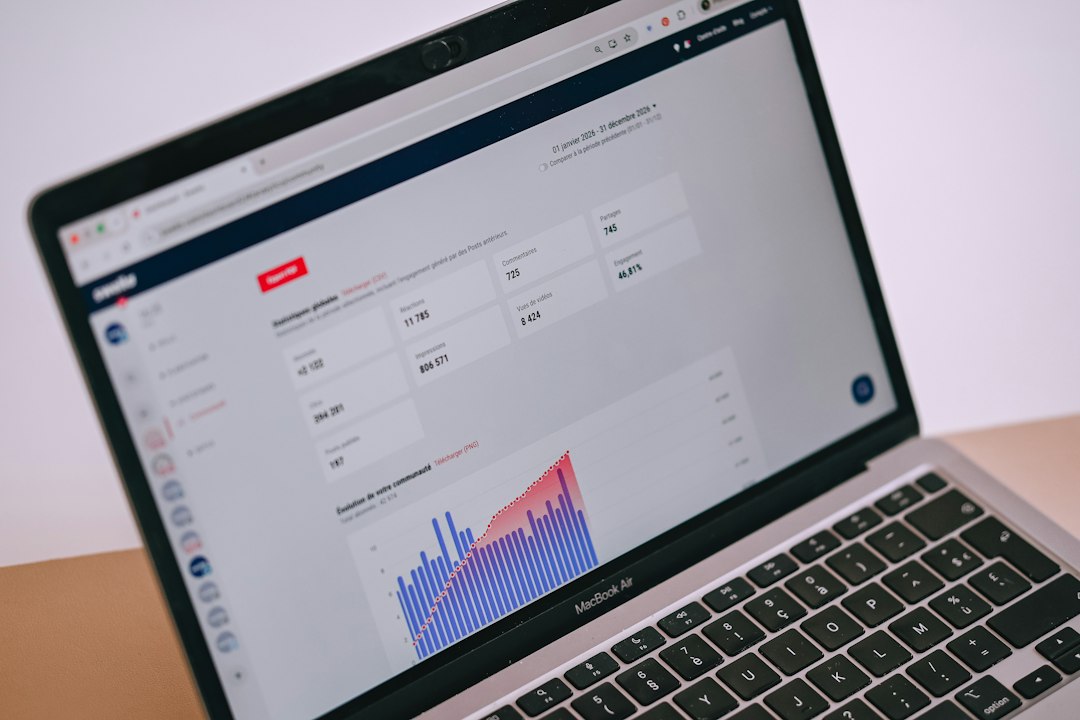
The Core Metrics for Brand Awareness
Awareness is about memory and recognition. Some metrics come from surveys. Others come from behavior. You need both.
1. Unaided Brand Awareness
Unaided awareness asks people to name brands in a category without prompts. For example: “Which meal kit delivery brands come to mind?”
This is a strong signal because the respondent has to recall the brand from memory. If your brand appears often, you own mental space in the category.
- Best for: measuring top-of-mind strength.
- How to track: quarterly surveys with a representative US audience.
- Watch out for: small sample sizes and biased panels.
2. Aided Brand Awareness
Aided awareness shows people a list of brands and asks which ones they recognize. This number is usually higher than unaided awareness.
It is useful for newer brands. People may recognize your name but not remember it without a hint. That still has value, especially in categories with long buying cycles like insurance, B2B software, healthcare, and home services.
3. Brand Recall After Campaign Exposure
If you run video, podcast, connected TV, or display campaigns, measure recall after exposure. Ask users if they remember seeing or hearing your brand.
A simple benchmark might look like this:
- Control group recall: 18%
- Exposed group recall: 27%
- Lift: 9 percentage points
That lift shows the campaign made the brand more memorable. It does not prove sales impact by itself, but it gives your media spend a sanity check.
The Core Metrics for Search Presence
Search presence is where awareness turns into action. When users search your brand, your product, or your category, you want to appear clearly and often.
1. Branded Search Volume
Branded search volume measures how often people search for your brand name and close variations. This includes misspellings, product names, founder names, and brand plus terms like “reviews,” “pricing,” “near me,” or “coupon.”
For US tracking, use tools such as Google Search Console, Google Trends, Google Ads Keyword Planner, Semrush, Ahrefs, or Similarweb. Honestly, it feels like every tool reports this differently, which is annoying. Expect small mismatches. Focus on direction over perfection.
Useful branded queries include:
- Brand name: “Acme Fitness”
- Brand plus product: “Acme Fitness bike”
- Brand plus trust: “Acme Fitness reviews”
- Brand plus location: “Acme Fitness Austin”
- Brand plus purchase intent: “Acme Fitness pricing”
2. Share of Search
Share of search compares your branded search volume with your competitors. It is one of the cleanest ways to estimate relative brand demand.
Use this formula:
Share of Search = Your Branded Searches ÷ Total Branded Searches in Your Competitor Set × 100
Example: your brand gets 20,000 monthly US searches. Four competitors together get 180,000. Total category branded searches are 200,000. Your share of search is 10%.
This metric is powerful because it reflects active interest. If your share rises for several months, your brand is gaining ground in people’s minds and search habits.
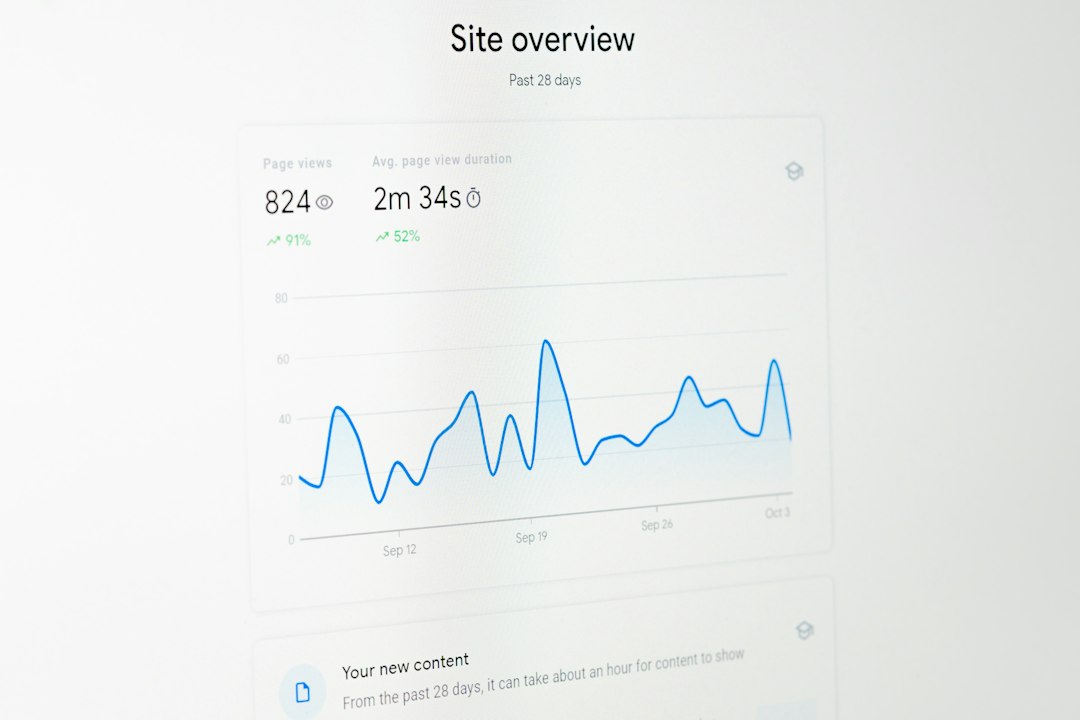
3. Organic Visibility for Non-Branded Keywords
Branded search shows demand for your name. Non-branded search shows whether users can find you before they know you.
Track rankings and impressions for category terms like:
- “best payroll software for small business”
- “emergency plumber near me”
- “women’s running shoes”
- “car insurance quotes Texas”
Do not only track rankings. Track impressions, clicks, click-through rate, search result features, and page coverage. A page ranking fourth may still perform well if it has strong title copy and rich snippets. A page ranking first may disappoint if AI summaries or ads push it down.
4. Search Engine Results Page Ownership
When someone searches your brand, what do they see?
Your ideal branded search result should include your website, sitelinks, social profiles, reviews, knowledge panel, store locations, videos, and helpful support pages. If competitors, complaint sites, or outdated profiles dominate page one, visibility is leaking.
Track the first page of Google for:
- Your brand name
- Your brand plus “reviews”
- Your brand plus “pricing”
- Your brand plus “alternatives”
- Your brand plus “near me” if you have local locations
It drives me crazy when brands spend heavily on ads but leave old review pages and wrong phone numbers sitting in search results. That cleanup work is boring, but it protects revenue.
Other Visibility Signals Worth Tracking
Search and surveys are the backbone, but other data fills gaps.
Direct Traffic
Direct traffic can signal brand strength because users type your URL or visit from untagged sources. Still, treat it carefully. Email clicks, dark social, app traffic, and tracking errors often land in this bucket.
Look for direct traffic growth alongside branded search growth. If both rise after a campaign, the signal is stronger.
Social Reach and Mentions
Social reach shows how many people might have seen your brand. Mentions show how often people talk about it. Track both, but do not confuse reach with trust.
Useful social metrics include:
- Unique reach: estimated people exposed to content.
- Brand mentions: tagged and untagged references.
- Sentiment: positive, neutral, or negative tone.
- Share of voice: your mentions versus competitors.
Referral and PR Traffic
Media coverage, review sites, podcasts, newsletters, and industry blogs can lift awareness. Track referral visits, assisted conversions, branded search changes, and backlinks after major placements.
A single article in a national publication may not create instant sales. But if branded search rises 15% in the following two weeks, that coverage likely moved awareness.

How to Build a Practical US Brand Visibility Dashboard
A good dashboard should be simple enough for executives and detailed enough for marketers. Avoid stuffing it with 50 charts. Pick the metrics that change decisions.
Include these sections:
- Awareness: unaided awareness, aided awareness, ad recall, brand familiarity.
- Search demand: branded search volume, brand plus intent queries, Google Trends index.
- Competitive position: share of search, share of voice, category rankings.
- Search presence: organic visibility, SERP ownership, local pack visibility.
- Engagement: direct traffic, social mentions, referral traffic.
Report monthly for search and web analytics. Report quarterly for survey-based awareness. Surveys need enough time to show real movement.
Common Mistakes to Avoid
- Using impressions as proof of awareness. Impressions show possible exposure, not memory.
- Ignoring competitor movement. Your search volume can grow while your share shrinks.
- Tracking only last-click conversions. Brand activity often works before the final visit.
- Mixing US data with global data. Keep markets separate or the numbers get noisy.
- Stopping measurement too soon. Brand metrics often move over months, not days.
The Best Way to Read the Numbers
No single metric proves brand visibility. The best read comes from patterns. If aided awareness, branded search, direct visits, and share of search all rise, your brand is gaining attention. If social reach rises but search demand stays flat, your content may be visible but not memorable.
Use a simple rule: awareness shows who knows you, search presence shows who can find you, and share of search shows whether you are gaining on competitors. When those three improve together, brand visibility is not just noise. It is measurable growth.