
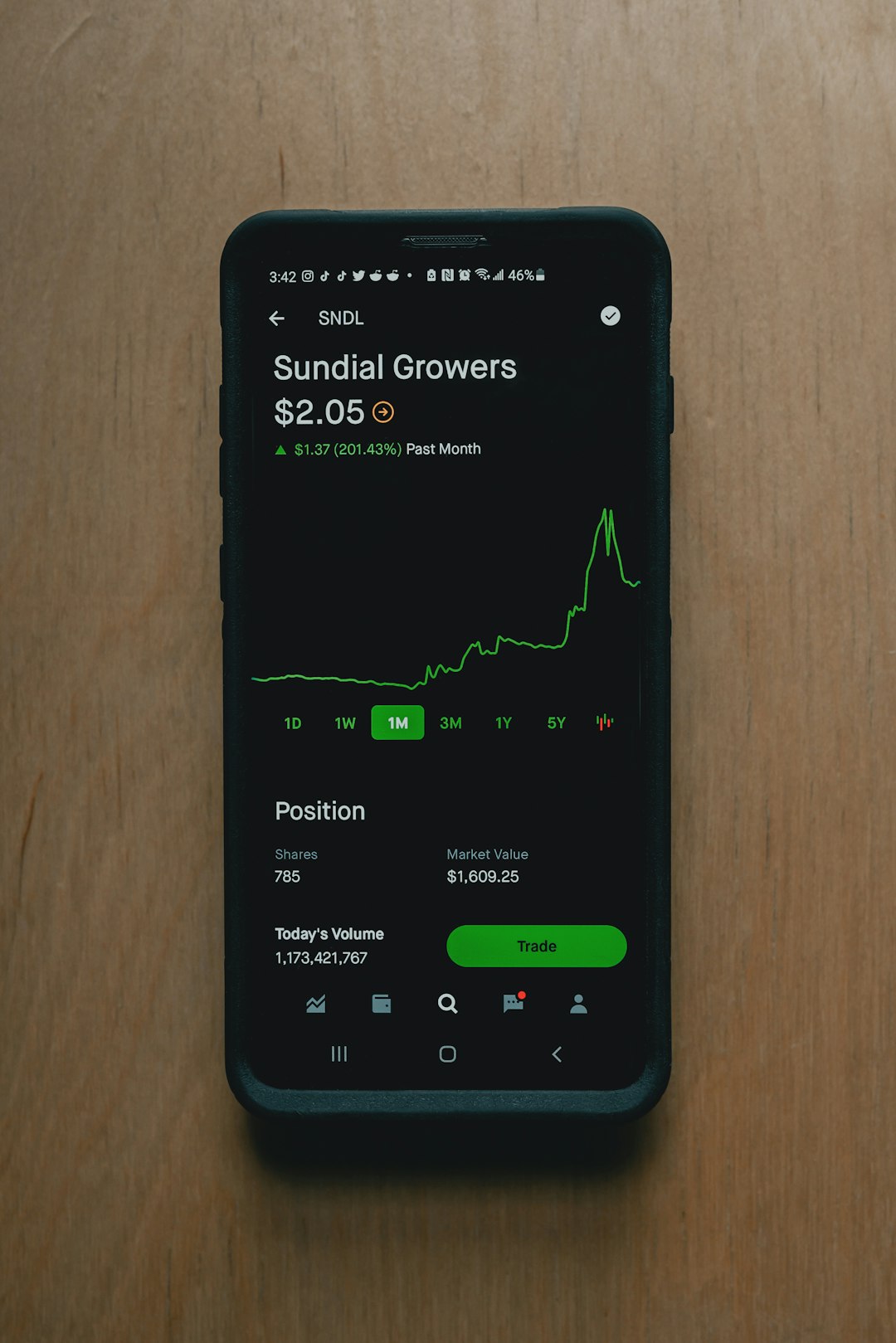
Robinhood has made a name for itself as a disruptive force in the financial services industry. Since its launch in 2013, the platform has attracted millions of users by marketing itself as a commission-free trading app that lowers the barriers to investing. But in the world of finance, “free” rarely means completely without cost. This raises an important question for investors, especially beginners: Does Robinhood have fees? Understanding the true cost of using Robinhood is essential if you want to optimize your investments and avoid unnecessary expenses.
Table of Contents
TLDR (Too Long, Didn’t Read)
Robinhood is largely free of traditional brokerage commissions, but that doesn’t mean it’s entirely without fees. While trading stocks and ETFs comes at no direct cost, there are other charges to be aware of, such as regulatory fees, margin interest, and costs associated with Robinhood Gold. It’s also important to understand how the platform earns money through payment for order flow. Users should stay informed about these indirect costs to avoid surprises.
What Does “Commission-Free” Really Mean?
One of Robinhood’s biggest selling points is that it offers commission-free trading. This means that the platform doesn’t charge a fee for buying or selling stocks, ETFs, options, or cryptocurrencies. In contrast, traditional brokerage firms often charge a flat fee for each trade—typically around $4.95 to $6.95. On Robinhood, this fee does not exist, making it an attractive choice for cost-conscious investors.
However, commission-free doesn’t necessarily mean completely cost-free. While you may not see a visible charge when you execute a trade, Robinhood still needs to earn revenue to remain viable. This leads us to the concept of indirect fees and how the platform makes money.
How Robinhood Makes Money
Robinhood employs a variety of revenue streams to keep its platform “free” on the surface. Here’s a breakdown of some ways the company generates income:
- Payment for Order Flow (PFOF): This is the practice of selling your orders to third-party market makers to execute. Although it provides you with commission-free trades, this may result in slightly less favorable pricing, depending on market conditions.
- Robinhood Gold: A premium subscription service that includes additional features like margin trading, larger instant deposits, and Level II market data. This service costs $5 per month, plus interest if you use margin.
- Interest on Uninvested Cash: Like many financial institutions, Robinhood earns interest on the cash held in your account that is not invested in stocks or other assets.
- Securities Lending: Robinhood may lend out the securities in your portfolio and collect interest on them, sharing none or little with you.
These practices are not unique to Robinhood, but being aware of them is key to understanding the platform’s business model and the potential implications it may have on your investing experience.

Fees You Might Actually Pay
Even though Robinhood advertises commission-free trading, there are still some fees and costs that users may encounter, depending on how they use the platform. Here’s a review of some of the most relevant charges:
1. Regulatory Fees
These aren’t charged by Robinhood but are passed through from regulatory authorities such as the SEC and FINRA. They’re relatively minimal, but they do exist.
- SEC Fee: $0.0000051 per dollar of stock sold (as of 2024), subject to a minimum amount.
- FINRA Trading Activity Fee (TAF): $0.000166 per share for stock sales, with a minimum and maximum charge.
These fees won’t break the bank, especially for small investors, but they are technically costs you’ll see during the trade checkout process.
2. Margin Interest
If you enable margin trading through Robinhood Gold, you’ll be subject to interest charges on borrowed funds. As of 2024, the margin interest rate is around 12%, which is significantly higher compared to some other brokerages.
3. Robinhood Gold Subscription
Robinhood Gold is an optional subscription that costs $5 per month. It offers:
- Access to Level II market data from Nasdaq
- Larger instant deposits
- Professional research from Morningstar
- Margin investing (if eligible)
While this is optional, many users are attracted to the features Gold offers and thus incur this monthly cost.
4. Bank Fees (Wire Transfers)
While ACH transfers are free, wire transfers are not:
- Outgoing domestic wire: $25
- Outgoing international wire: $50
If you plan to move large amounts of money quickly, these fees could apply.
5. Paper Statements
Robinhood defaults to digital statements, but if you request paper ones, there’s a fee of $5 per document. This may apply to tax forms or account statements.
Cryptocurrency Trading Fees
Robinhood offers commission-free crypto trading as well, but again, there are caveats. Instead of a visible trading fee, the company includes a slight markup on the spread — the difference between the buying and selling price. This is how they effectively earn a profit from crypto trades without charging a direct fee.
This type of pricing may not be immediately obvious but could result in you paying more or receiving less than the market price when executing trades.
Transfer Fees
If you decide to move your account from Robinhood to another brokerage, you’ll be charged a fee. Specifically:
- ACAT Transfer Fee: $100 per outgoing full or partial account transfer.
This is a standard fee among brokerages but something users should be aware of if considering a switch.

Hidden Costs: Order Quality and Spread
One of the more controversial aspects of Robinhood’s “free” model is the potential hidden cost in the quality of trade execution. Because Robinhood earns money through payment for order flow, it may not always route your trade to the exchange offering the absolute best price. Even if the price difference is small, over time it can impact returns — particularly for active traders or those trading with large sums.
This isn’t a uniquely Robinhood issue—it happens across various commission-free platforms—but is worth considering as part of the bigger picture.
Does Robinhood Save You Money Overall?
In most cases, yes. If you’re a casual trader or beginner investor, Robinhood can save you money on commissions. The platform is especially valuable for those who use it to make occasional trades, hold long-term investments, and stay away from margin or advanced trading features that might incur costs.
However, for more advanced traders or those with larger portfolios, it may be worth comparing the total cost of using Robinhood—including spreads, margin rates, and indirect fees—against other brokerages that might offer better execution or lower margin interest rates.
Tips to Minimize Costs on Robinhood
- Stick with standard stock or ETF trades to avoid optional services.
- Avoid margin unless you thoroughly understand the risks and interest rates.
- Use ACH transfers to steer clear of wire fees.
- Monitor your uninvested cash and consider transferring it if it remains idle.
- Be mindful of subtle crypto trading spreads before making large trades.
Conclusion
Robinhood remains an appealing choice for many investors, especially those who prioritize simplicity and low upfront costs. While the platform does not charge traditional trading commissions, it is not entirely free of fees. Regulatory pass-through costs, optional services like margin and Gold, and less transparent components like payment for order flow are all part of the equation.
By understanding where and how Robinhood applies fees—whether directly or indirectly—you can make smarter financial decisions and align your investment strategy with your financial goals. Free is rarely truly free in the financial world, and Robinhood is no exception.