
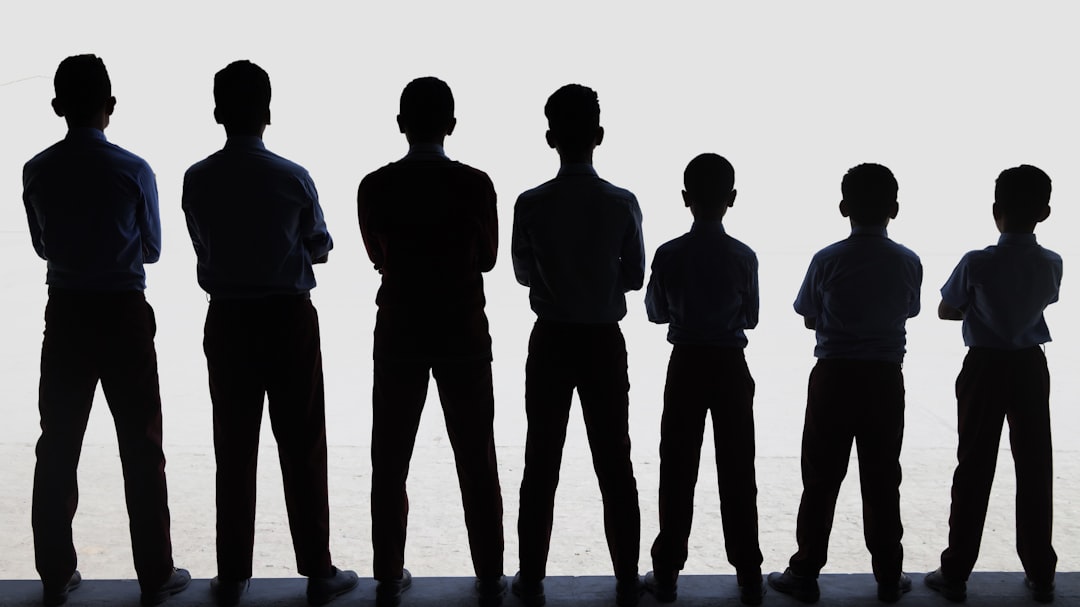
In today’s increasingly competitive corporate environment, aligning internal culture with external brand representation has become a strategic imperative. One element that businesses often overlook—but that can yield powerful results—is the implementation of branded apparel in the workplace. From embroidered polo shirts to custom jackets, branded clothing not only makes a company visually cohesive but also enhances the psychological and emotional connection employees have with their organization.
TLDR: Branded apparel plays a pivotal role in strengthening workplace identity and improving team morale. It fosters a sense of belonging, unity, and pride among employees while sending a strong brand message both internally and externally. Whether it’s through uniforms or optional logo-branded merchandise, companies can leverage apparel to reinforce culture, improve collaboration, and even influence public perception. With thoughtful implementation, it becomes a key component of organizational success.
Table of Contents
The Psychology Behind Workplace Identity
Workplace identity refers to how employees perceive themselves as part of an organization. It’s influenced by factors like company values, leadership behavior, social dynamics, and even the environment. When employees feel that they belong and that their values align with those of their employer, they are more engaged, more productive, and more loyal.
Branded apparel reinforces this identity in both subtle and overt ways. Psychologically, wearing company-branded gear helps individuals internalize their role within the organization. A logo on a shirt might seem insignificant, but it serves as a constant visual reminder of one’s inclusion in something larger than oneself.
Some of the psychological benefits include:
- Sense of belonging: Employees feel more like a part of the team when visually associated with the organization.
- Positive association: Branded clothing can instill a sense of pride and ownership.
- Enhanced confidence: Uniforms or coordinated apparel can make employees feel more prepared and competent in their roles.
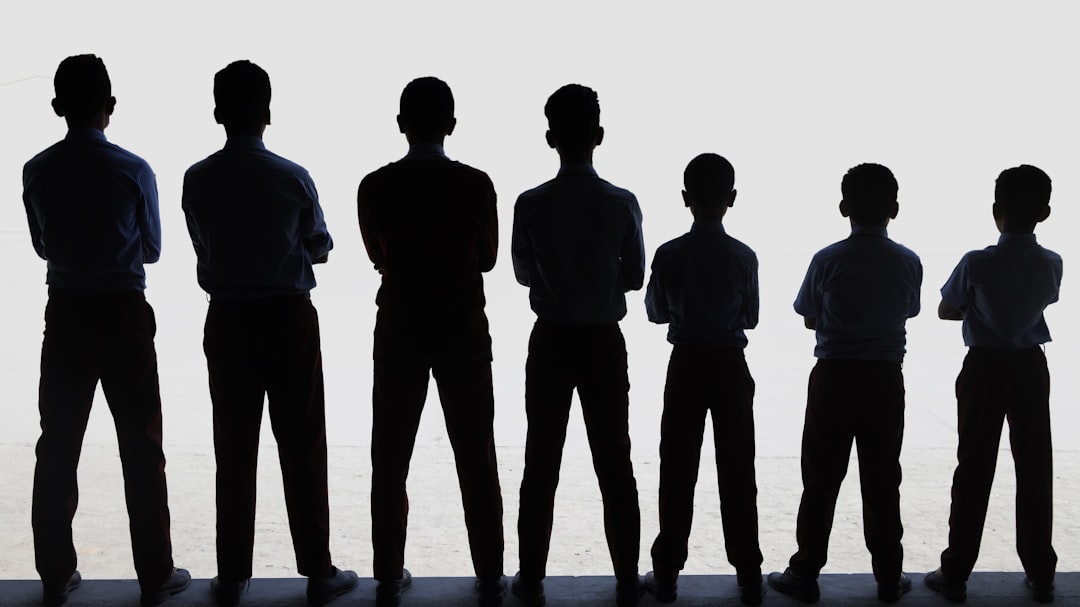
Strengthening Team Morale Through Unity
Morale is not just about job satisfaction—it’s about cohesive positivity within the team dynamic. When people wear similar outfits, it neutralizes superficial differences like attire-based status, helping to flatten organizational hierarchies and promote unity. This sense of unity is an essential ingredient for high-performing teams.
Imagine launching a new product or organizing a corporate event. Employees outfitted with matching branded T-shirts feel like contributors to a collective mission, not just individual workers fulfilling tasks. This uniformity boosts group cohesion, drives collaboration, and even facilitates better communication.
Branded apparel boosts morale by:
- Creating a level playing field: Similar clothing reduces distractions and perceived inequalities.
- Encouraging team spirit: Matching garments build camaraderie and team identity.
- Celebrating milestones: Special edition branded items can commemorate company achievements, reinforcing pride.
Establishing a Consistent Brand Culture
Companies that work hard to establish brand recognition in the market should reflect this integrity internally. Cohesive branding doesn’t stop at the letterhead, website, or TV ad—employees are walking extensions of the brand. Outfitting them in well-designed branded apparel ensures that the culture is not just talked about, but lived and seen on a daily basis.
Whether it’s a startup aiming for a relaxed, innovative vibe or a corporate firm projecting professionalism and reliability, apparel design—color, fabric, logo placement—communicates these traits instantly. Internally, this confirms the company’s personality and culture. Externally, it improves client and consumer trust through visual consistency.

Ways branded apparel contributes to brand culture:
- Daily reinforcement: Wearing company logos reinforces brand values each day.
- Professionalism: Employees appear more polished and consistent in public and client-facing roles.
- Cultural alignment: Employees internalize the brand story through visual and tactile experience.
Recruitment, Retention and Reputation
In competitive job markets, every edge matters. Branded apparel can positively influence your perception as an employer. When prospective hires see your team confidently representing the company in smart, branded attire, it creates the visual impression of a united, professional, and engaged workplace. This visual storytelling is powerful in recruitment marketing materials, social media, and job fairs.
For existing staff, quality branded items—especially when offered as rewards or part of a welcome kit—can build long-term affiliation. Offering stylish yet comfortable jackets, hoodies, or other non-uniform gear can make employees feel appreciated. It’s a subtle but effective tool in your employee retention strategy.
Some key impacts include:
- Positive employer branding: Branded apparel reflects a company’s ethos and professionalism to the outside world.
- Retention value: Tangible items serve as tokens of recognition and appreciation.
- Employee advocacy: Employees are more likely to share photos and promote their workplace when they’re proud to wear the logo.
Practical Considerations for Implementation
Before rolling out branded clothing, leaders should consider a few practical steps to ensure maximum effectiveness and adoption:
- Ask for employee input: Survey staff preferences about style, comfort, and type of garments.
- Invest in quality: Low-cost or poorly made items may send the wrong message and reduce wearability.
- Optional vs. mandatory: Not every workplace needs strict uniforms; offering voluntary branded gear may increase acceptance.
- Keep designs current: Outdated styles reduce appeal. Refresh designs periodically while keeping brand consistency.
Moreover, it’s essential to create different tiers of branded apparel. Everyday items like polo shirts or fleece vests can differ from high-visibility items used for trade shows or customer-facing interactions. Celebratory gear tied to successful quarters, anniversaries, or product launches also adds to the psychological value employees derive from wearing the logo.
Conclusion
In essence, branded apparel is more than just clothing—it’s an expression of alignment, values, and culture. When thoughtfully designed and strategically implemented, it can become a cornerstone of workplace identity and a catalyst for stronger morale. As companies strive to differentiate themselves in culture and market presence, branded clothing offers a tactile, immediate, and memorable way to unite teams, instill pride, and boost organizational cohesion.
Organizations that embrace this detailed approach to brand-oriented clothing will find not just more visually aligned teams, but more emotionally connected, engaged, and committed employees.