

The rapid shift toward digital education has transformed how businesses, universities, and training organizations deliver learning. Whether you are onboarding employees, upskilling teams, or offering academic courses, choosing the right online Learning Management System (LMS) can make or break the learning experience. With hundreds of platforms on the market, identifying the features that truly matter is essential for long-term success.
TLDR: The best online Learning Management Systems combine ease of use, powerful content delivery, advanced analytics, and seamless integrations. Look for platforms that offer mobile accessibility, customizable learning paths, strong reporting tools, and built-in collaboration features. Security, scalability, and automation are also critical to ensure your LMS grows with your organization. Choosing wisely means balancing functionality with user experience.
Below are the 10 most important features to look for when selecting the best LMS for your needs.
Table of Contents
1. User-Friendly Interface
An LMS should make learning simpler, not more complicated. A clean, intuitive interface ensures that both learners and administrators can navigate the platform with minimal training.
Look for:
- Clear dashboards with easy navigation
- Minimal clicks to access courses
- Responsive design for various screen sizes
- Simple course upload and management tools
If users struggle to find materials or instructors find it cumbersome to manage content, engagement will quickly drop. Ease of use directly impacts adoption rates and overall satisfaction.
2. Mobile Compatibility
Modern learners expect flexibility. A top-tier LMS must provide seamless access across desktops, tablets, and smartphones.

Mobile compatibility ensures learners can:
- Access courses anytime, anywhere
- Complete assignments offline
- Receive push notifications for deadlines
- Participate in discussions on the go
Mobile-first learning is no longer optional. It is a necessity for organizations with remote employees or global audiences.
3. Customizable Learning Paths
Every learner has different goals, skills, and pacing preferences. The best LMS platforms allow administrators to create personalized learning journeys.
Key capabilities include:
- Adaptive learning based on performance
- Prerequisite course sequencing
- Role-based training paths
- Self-paced and instructor-led options
Personalization boosts engagement and ensures learners receive content relevant to their development needs.
4. Content Versatility and Multimedia Support
Engaging content drives better outcomes. A powerful LMS should support multiple content formats to accommodate different learning styles.
Look for systems that allow:
- Video uploads and streaming
- Interactive quizzes and assessments
- SCORM and xAPI compliance
- PDFs, slides, and downloadable resources
- Gamification elements like badges and leaderboards
Diverse content keeps learners interested and improves retention rates. The ability to update materials easily is also crucial for industries where information changes frequently.
5. Advanced Analytics and Reporting
Data-driven insights are a defining feature of the best online LMS platforms. Administrators need detailed information to measure performance and improve training programs.
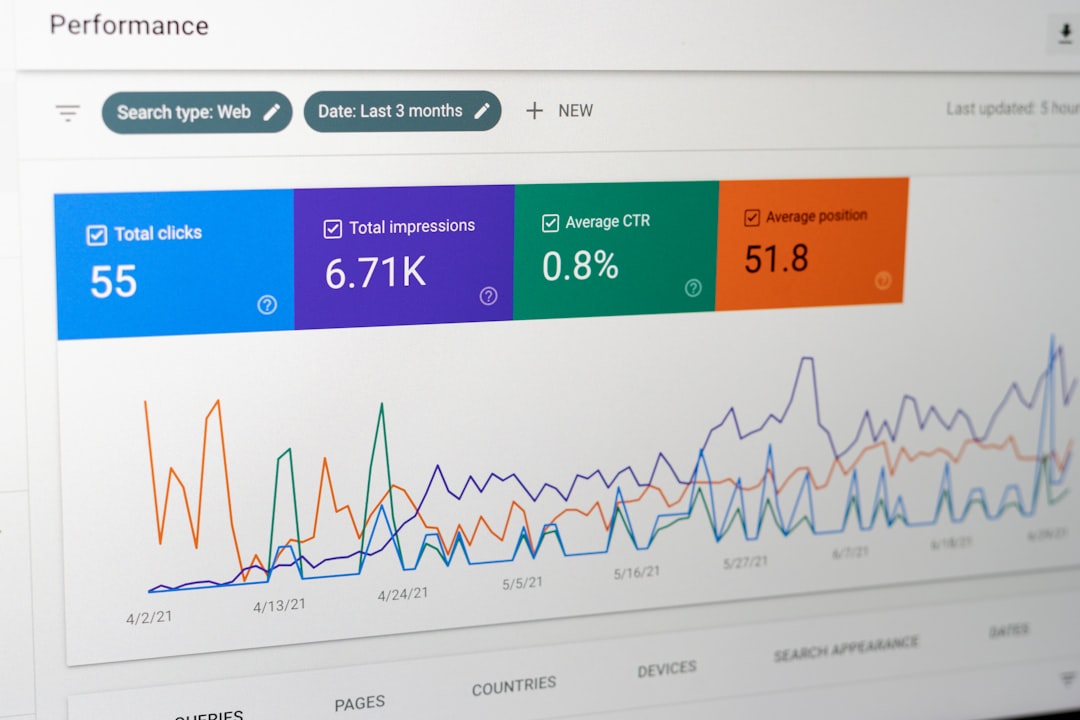
Important analytics features include:
- Completion rates and progress tracking
- Assessment scores and performance analytics
- Engagement metrics
- Customizable reports for stakeholders
- Real-time dashboards
Robust reporting tools help identify knowledge gaps, measure ROI, and refine learning strategies.
6. Integration Capabilities
Your LMS should not operate in isolation. Seamless integration with other business tools enhances workflow efficiency.
Top integrations may include:
- HR software for employee onboarding
- CRM systems for customer training programs
- Video conferencing tools for live sessions
- Payment gateways for course monetization
- Single Sign-On (SSO) authentication systems
Compatibility with existing systems reduces manual work and ensures smoother data flow across platforms.
7. Collaboration and Social Learning Tools
Learning is inherently social. The best LMS platforms promote interaction among learners and instructors.
Collaboration features may include:
- Discussion forums
- Live chat and messaging
- Group projects and breakout rooms
- Peer reviews and feedback tools
These elements foster engagement, build community, and encourage knowledge sharing, making learning more dynamic and less isolated.
8. Scalability and Performance
As your organization grows, your LMS should grow with it. Scalability ensures the system can handle increasing numbers of users and courses without compromising speed or functionality.
Consider:
- Cloud-based infrastructure
- Global content delivery networks
- High uptime guarantees
- Flexible user licensing models
A scalable LMS prevents the need for costly migrations later and supports long-term strategic goals.
9. Security and Compliance
Protecting learner data is non-negotiable. The best LMS platforms prioritize data privacy, encryption, and compliance with global standards.
Look for:
- Secure data encryption protocols
- Regular system audits
- Role-based access controls
- Compliance with regulations like GDPR or HIPAA
Security measures build trust and protect both your organization and your users from potential breaches.
10. Automation and Administrative Efficiency
Managing courses, tracking progress, and sending reminders manually can be time-consuming. Automation features streamline administrative tasks.
Helpful automation tools include:
- Automatic enrollment rules
- Email and deadline reminders
- Certificate generation upon completion
- Progress-based notifications
- Recurring course scheduling
Automation not only saves time but ensures consistency in communication and learner management.
Bringing It All Together
The best online Learning Management Systems are more than just digital content repositories. They are comprehensive platforms designed to enhance engagement, personalize learning, and provide measurable outcomes. Selecting the right LMS requires balancing functionality with usability, scalability with affordability, and innovation with reliability.
When evaluating options, consider starting with a clear checklist of your organizational goals. Ask yourself:
- What type of learners will use the platform?
- How important is mobile access?
- What reporting level do stakeholders require?
- Does the system integrate with our existing tools?
By prioritizing the features outlined above, you position your organization to create engaging, efficient, and future-ready learning experiences. In an increasingly digital world, investing in the right LMS is not just a technological decision—it is a strategic one that shapes how people grow, adapt, and succeed.
Choosing wisely today ensures your learning ecosystem remains relevant, secure, and impactful for years to come.