

In the rapidly evolving world of digital design, choosing the right website builder can determine whether your project feels dated or cutting-edge. While Wix has long been a popular option for beginners, modern web design demands more flexibility, stronger performance, and deeper customization than ever before. Today’s creators—entrepreneurs, developers, designers, and marketers—are looking for platforms that go beyond drag-and-drop simplicity. Fortunately, there are powerful alternatives that not only match Wix’s ease of use but exceed it in functionality and design capability.
TLDR: Wix is a solid starter platform, but several modern web design tools offer greater flexibility, performance, and professional control. Platforms like Webflow, Framer, Squarespace, Shopify, and WordPress provide advanced customization, cleaner code output, better scalability, or stronger eCommerce features. If you want a sleek, modern website that grows with your needs, these alternatives may be better suited to you. Choosing the right one depends on your goals, technical comfort, and future plans.
Table of Contents
Why Look Beyond Wix?
Wix made website building accessible to everyone. However, as design trends shift toward minimalism, speed optimization, animation, and responsive performance, many users find Wix limiting. Common drawbacks include:
- Less clean underlying code compared to modern design platforms
- Limited advanced design flexibility
- Performance limitations on complex sites
- Scaling challenges for larger businesses
Modern web design is about delivering immersive experiences—fluid animations, lightning-fast loading speeds, and seamless mobile performance. Let’s explore the top apps that outperform Wix in today’s design environment.
1. Webflow – Professional-Level Visual Design
Webflow bridges the gap between visual design and front-end development. It empowers designers to create fully custom websites without writing code—while still generating clean, production-ready HTML, CSS, and JavaScript.
Why it’s better than Wix:
- Pixel-perfect design control
- Advanced animations and interactions
- Clean semantic code output
- Powerful CMS for dynamic content
Webflow is ideal for designers who want creative freedom without being boxed into templates. Unlike Wix, which can feel restrictive, Webflow lets you control every spacing rule, animation trigger, and responsive breakpoint.
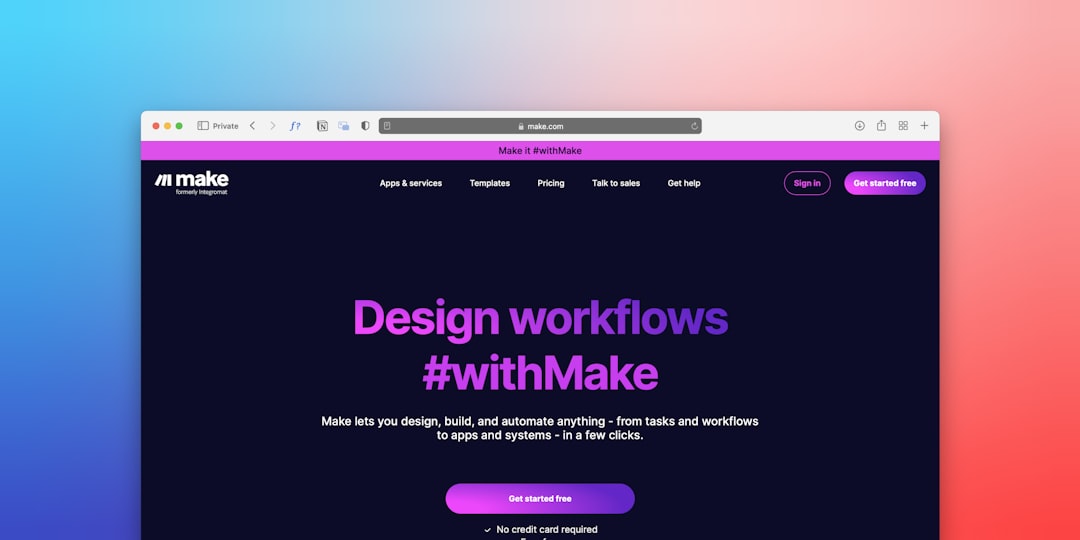
Best for: Designers, agencies, and startups wanting highly customized websites.
2. Framer – The Future of Interactive Web Design
Framer has quickly gained popularity for its sleek interface and interactive design capabilities. Originally a prototyping tool, it has evolved into a full website builder that emphasizes modern aesthetics and smooth animations.
What makes Framer stand out:
- Built-in animation tools
- Intuitive visual editing
- Fast page speeds
- Strong SEO control
If modern web design to you means bold typography, subtle transitions, and immersive scrolling effects, Framer delivers all of that effortlessly. Compared to Wix, Framer feels lighter and more contemporary.
Best for: Startups, creatives, and product designers.
3. Squarespace – Refined Design and Branding
Squarespace is known for its elegant templates and branding strength. While Wix offers variety, Squarespace delivers polished, cohesive designs that look professional from the start.
Advantages over Wix:
- Design-focused templates
- Strong blogging tools
- High-quality image presentation
- Integrated marketing features
Squarespace simplifies design decisions without sacrificing visual sophistication. It’s particularly attractive for photographers, creatives, and personal brands.
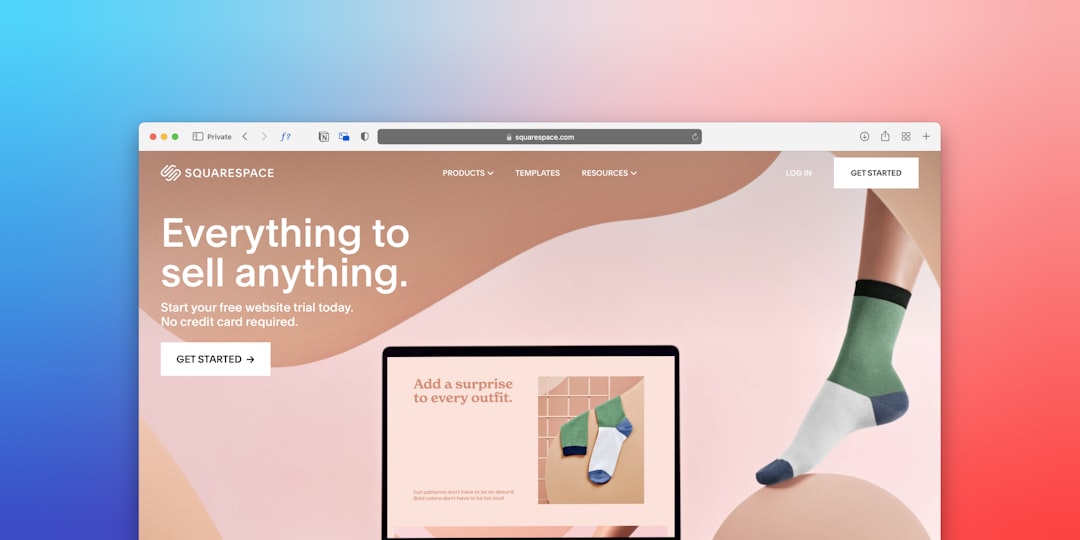
Best for: Creatives, bloggers, and small businesses focused on aesthetics.
4. Shopify – Superior eCommerce Capabilities
While Wix offers online store functionality, Shopify is purpose-built for eCommerce. If selling products is your primary goal, Shopify provides significantly more power and scalability.
Why Shopify wins for online stores:
- Advanced inventory management
- Scalable infrastructure
- Extensive app marketplace
- Optimized checkout experience
Wix can handle small shops, but Shopify is engineered for growth. From dropshipping to enterprise-level operations, Shopify offers tools businesses need for expansion.
Best for: Entrepreneurs and growing online stores.
5. WordPress (With Elementor or Block Themes) – Ultimate Flexibility
WordPress powers over 40% of the web—and for good reason. When paired with modern builders like Elementor or native block themes, WordPress becomes one of the most flexible platforms available.
Advantages compared to Wix:
- Full ownership and control
- Thousands of plugins
- Deep SEO customization
- Scalable for any size project
Unlike Wix’s closed ecosystem, WordPress lets you choose your hosting provider, optimize performance at a granular level, and extend functionality endlessly.
Best for: Businesses planning long-term growth and advanced functionality.
Comparison Chart: Wix vs Modern Alternatives
| Platform | Design Flexibility | Ease of Use | Scalability | Best For |
|---|---|---|---|---|
| Wix | Moderate | Very Easy | Limited | Beginners |
| Webflow | Very High | Moderate | High | Design Professionals |
| Framer | High | Easy | Moderate to High | Startups & Creatives |
| Squarespace | High | Easy | Moderate | Creatives & Bloggers |
| Shopify | Moderate | Easy | Very High | eCommerce Businesses |
| WordPress | Very High | Moderate | Very High | Growing Businesses |
How to Choose the Right Platform
Selecting a modern web design tool depends on your specific needs. Consider the following questions:
- Do you need advanced design control?
- Are animations and user experience central to your brand?
- Will you scale your business significantly?
- Is eCommerce your primary focus?
- Do you want full control over hosting and performance?
If creative design freedom is your priority, Webflow or Framer may be ideal. If you want elegant simplicity, Squarespace might suffice. If you’re building an online store, Shopify clearly stands out. And if long-term flexibility is crucial, WordPress offers unmatched adaptability.
The Future of Web Design Tools
Modern website builders are moving toward AI-assisted design, real-time collaboration, advanced motion effects, and optimized performance standards. Tools like Framer and Webflow are pioneering no-code development while still respecting professional-level design principles.
The shift is clear: users want more than just templates. They want speed, personalization, integration, and scalability.
While Wix remains a convenient starting point, today’s web landscape rewards those who invest in tools built for the future. Choosing the right platform now can save time, reduce redesign costs, and support your digital presence for years to come.
Final Thoughts: The best website builder isn’t the one with the most advertisements—it’s the one that aligns with your goals. Whether you’re launching a personal brand, startup, or global eCommerce store, modern alternatives to Wix offer the design freedom and performance needed to thrive in today’s competitive digital space.