
Running a restaurant is exciting. It is also chaotic. Orders fly in. Staff rush around. Customers expect perfection. One small mistake can turn into a bad review. Or wasted food. Or lost money.
That is why smart restaurant owners use tools to cut down errors. The right systems can reduce mistakes by up to 80%. That means fewer comps. Less stress. More happy customers.
TLDR: Restaurants lose money when orders, inventory, and staff schedules are managed manually. Modern restaurant tools automate these tasks and reduce human error. Point of Sale systems, inventory software, staff scheduling tools, kitchen display systems, and accounting platforms can cut mistakes by up to 80%. The result? Faster service, lower costs, and happier guests.
Let’s explore five powerful restaurant management tools that truly make a difference.
Table of Contents
1. Point of Sale (POS) Systems
A modern POS system is the heart of your restaurant. It does more than take payments. It tracks orders. It manages sales. It collects data.
Old-school method? Pen and paper. Or basic cash register. That leads to:
- Wrong orders
- Lost tickets
- Incorrect totals
- Confused staff
A digital POS system fixes this.
Servers tap orders directly into a tablet. The order goes straight to the kitchen. No messy handwriting. No guessing.
How it reduces errors:
- Eliminates misread handwriting
- Automates tax calculations
- Reduces incorrect change
- Tracks every transaction
Many POS systems also flag modifier mistakes. For example, if someone orders a burger, the system prompts cooking temperature. No more “Oh, I forgot to ask.”
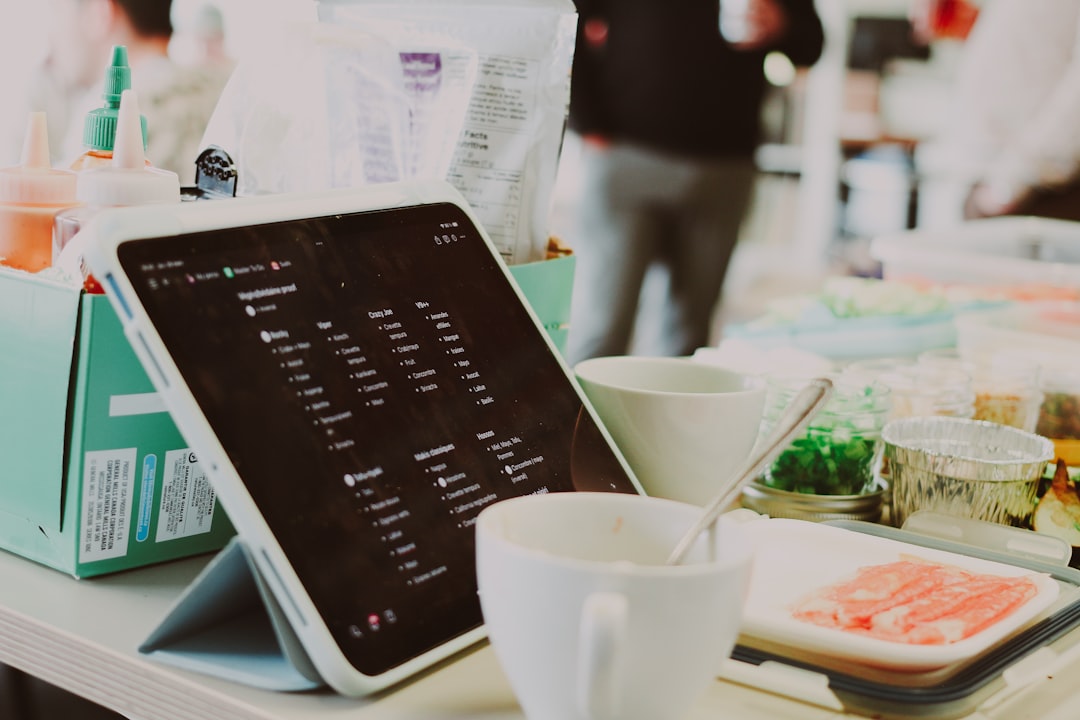
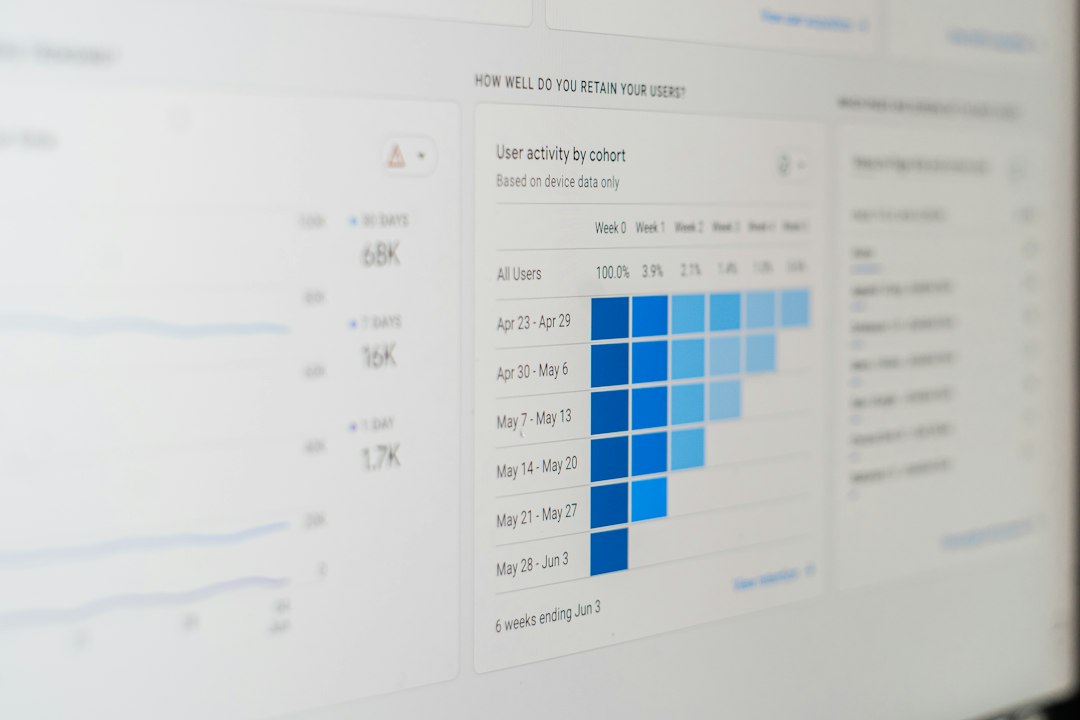
Bonus benefit: You get reports. Daily sales. Top items. Slow items. That helps you make smarter decisions.
2. Inventory Management Software
Food waste hurts profits. So does running out of ingredients mid-shift.
Manual inventory tracking is risky. Numbers get guessed. Sheets get lost. Staff forgets to log items.
Inventory management software tracks everything in real time.
When a dish is sold, ingredients are automatically deducted from stock. If tomatoes run low, the system alerts you.
This reduces:
- Over-ordering
- Under-ordering
- Spoilage
- Theft
It also standardizes recipes. That means every chef uses the exact same measurements. No over-portioning. No random handfuls of cheese.
Consistency improves. Costs stabilize.
Restaurants using inventory software often see food cost errors drop dramatically. Some cut waste by 50% in months.
Simple example:
If your shrimp pasta uses 200 grams per plate, the system tracks that. Sell 10 plates? 2,000 grams deducted automatically. No guessing at closing time.
3. Staff Scheduling Tools
Scheduling seems easy. It is not.
Managers often build schedules in spreadsheets. Or even on paper. Mistakes happen:
- Double shifts
- Understaffed Fridays
- Overstaffed Mondays
- Missed shift swaps
That leads to stress. And service errors.
Staff scheduling software uses data to predict busy hours. It suggests how many servers you need. How many cooks. Even how many hosts.
Staff can request time off in-app. Swap shifts digitally. Get automatic reminders.
Error reduction happens because:
- No misread schedules
- No forgotten shift notes
- No last-minute confusion
- Labor cost forecasting is automated
When the right number of people work at the right time, service improves. Orders are accurate. Tables turn faster.
Less chaos. More control.
4. Kitchen Display Systems (KDS)
The kitchen is where mistakes become expensive.
A lost ticket means a remake. A wrong modification means wasted food. A delayed order means an angry guest.
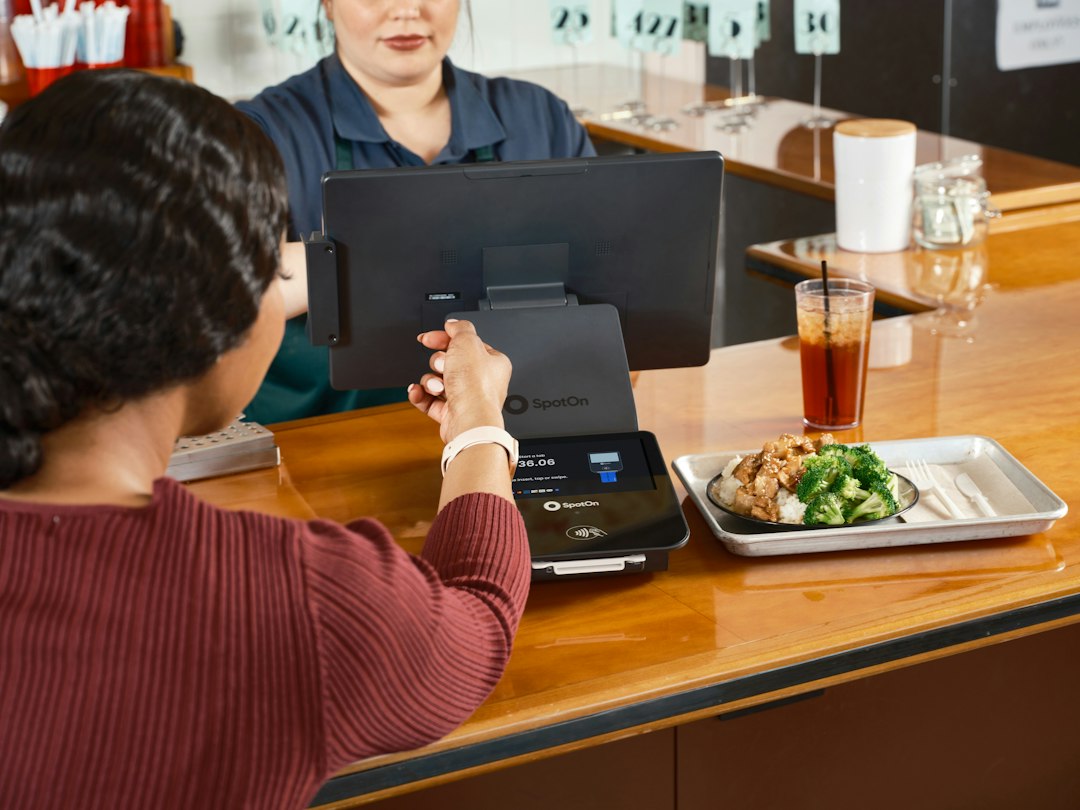
A Kitchen Display System replaces printed tickets with digital screens.
Orders appear instantly. Clearly. In large text.
Chefs can tap the screen to mark items complete. Expeditors see what is ready.
Why it works:
- No paper tickets to lose
- No faded ink
- Modifiers stand out clearly
- Real-time updates
If a guest has an allergy, the note appears highlighted. That reduces dangerous mistakes.
KDS systems also time orders. If something takes too long, managers know fast. Bottlenecks become visible.
The result? Fewer remakes. Faster service. Happier guests.
5. Integrated Accounting Software
Manual bookkeeping is risky. Numbers get entered twice. Or entered wrong. Receipts disappear.
Accounting software integrated with your POS automatically imports sales data.
No manual retyping. No calculator errors.
It tracks:
- Revenue
- Expenses
- Payroll
- Taxes
- Profit margins
This reduces financial mistakes that could cost thousands.
It also helps during tax season. Reports are already organized.
Even better: When inventory and accounting connect, your food cost percentage updates automatically. That means fewer surprise losses at the end of the month.
Quick Comparison Chart
| Tool | Main Function | Biggest Error It Reduces | Impact Level |
|---|---|---|---|
| POS System | Order and payment processing | Wrong orders and billing mistakes | Very High |
| Inventory Software | Stock tracking and food cost control | Over-ordering and waste | High |
| Scheduling Tool | Staff shift management | Under or over staffing | Medium to High |
| Kitchen Display System | Digital kitchen order tracking | Lost tickets and wrong modifications | Very High |
| Accounting Software | Financial tracking and reporting | Data entry and tax errors | High |
Why These Tools Together Matter Most
Each tool is powerful alone.
But together? They transform your restaurant.
Here is how they connect:
- POS sends data to inventory.
- Inventory updates accounting.
- Sales trends inform scheduling.
- KDS ensures kitchen accuracy.
It becomes one smooth system.
Fewer manual steps mean fewer human mistakes.
Restaurants that fully integrate systems often report:
- Up to 80% fewer order errors
- 30–50% less food waste
- Lower labor costs
- Better online reviews
That is real money saved.
Common Fears (And Why You Should Not Worry)
“It’s too expensive.”
Mistakes are more expensive. One wrong large catering order can cost more than monthly software fees.
“My staff won’t learn it.”
Modern systems are simple. If someone can use a smartphone, they can use these tools.
“We’ve always done it manually.”
So did most restaurants. Until competition got faster and smarter.
Final Thoughts
Mistakes in restaurants are normal. But constant mistakes are optional.
Technology does not replace people. It supports them.
Servers focus on guests. Chefs focus on food. Managers focus on growth.
And the systems quietly handle the math. The tracking. The reminders.
If you want to reduce errors by 80%, start with one tool. Then connect the rest.
Less stress. Better margins. Happier customers.
That sounds like a recipe worth following.