
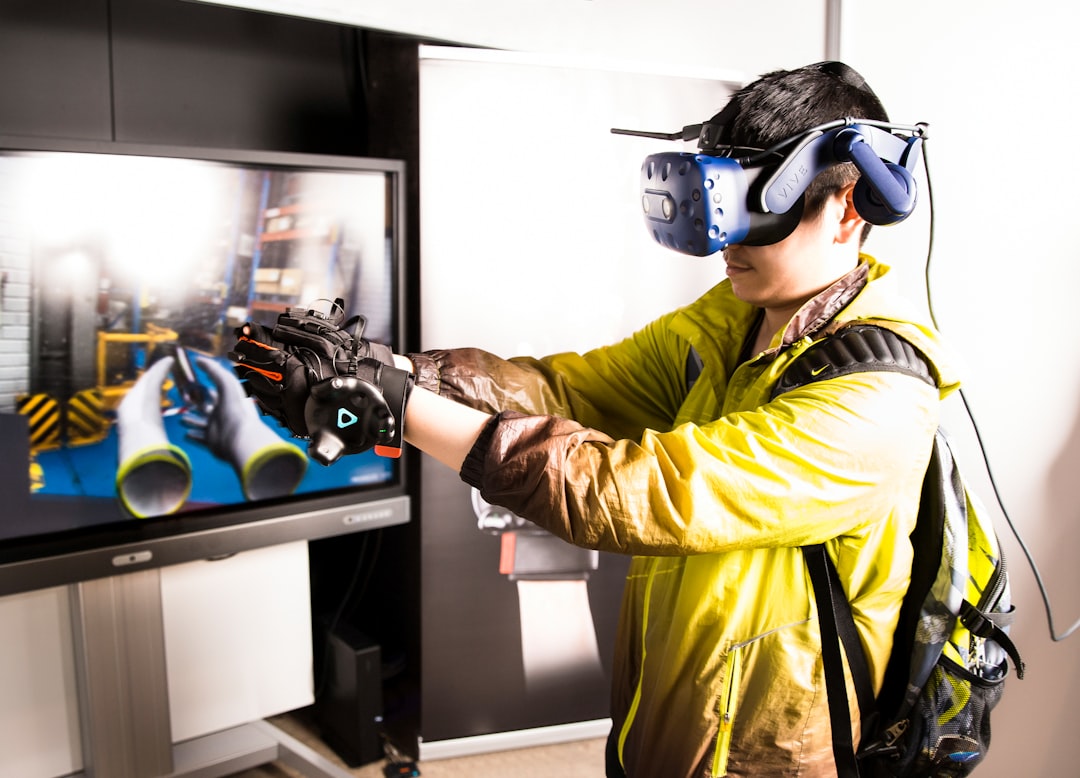
Training is changing fast. Slides are boring. Manuals collect dust. People want to experience learning, not just read about it. That is where Virtual Reality (VR) steps in. Studies now show VR training can improve performance by up to 87%. That is huge. And it is reshaping how companies teach skills around the world.
TLDR: Virtual Reality training is faster, safer, and more engaging than traditional methods. Many companies report up to 87% better knowledge retention and performance. From healthcare to aviation, VR platforms are helping workers practice in realistic digital worlds. Below are eight platforms leading this exciting shift.
Let’s explore the platforms that are redefining how we learn.
Table of Contents
Why VR Training Works So Well
Before we dive in, let’s understand the magic.
- Immersion: Learners feel like they are inside the scenario.
- Practice without risk: Mistakes do not hurt people or cost money.
- Repetition: Users can repeat tasks until they get them right.
- Better memory: The brain remembers experiences more than slides.
It feels real. The brain reacts as if it is real. That is powerful.
1. Strivr
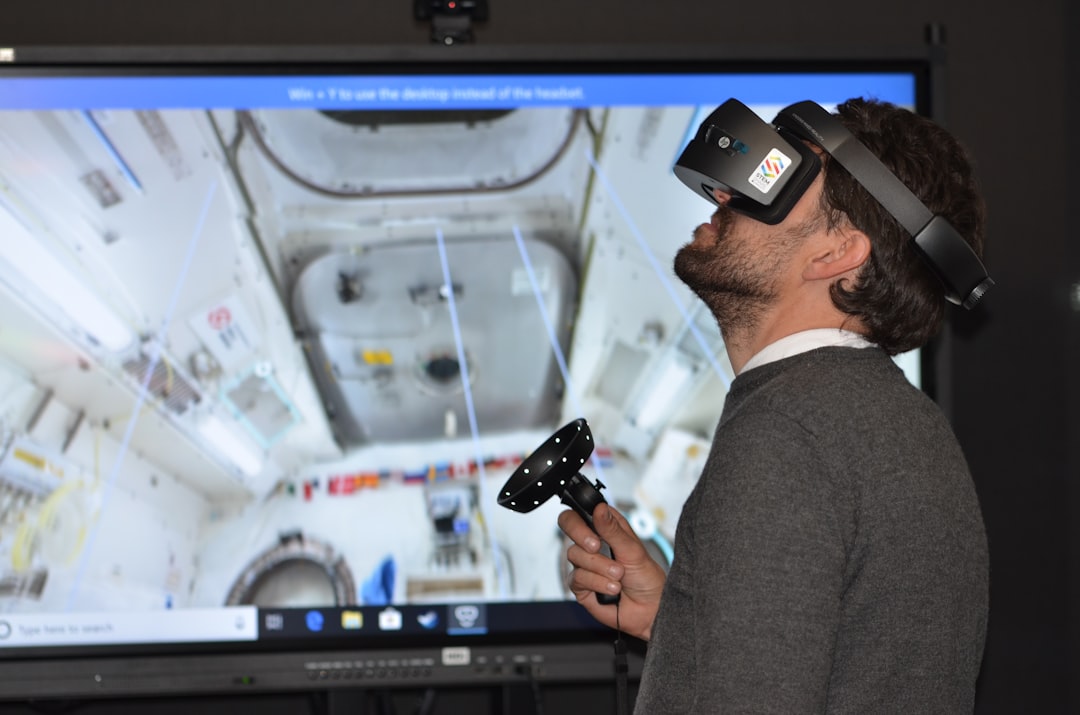
Strivr focuses on enterprise training. Big companies love it. Think retail. Think sports. Think large teams that need consistent training.
What makes it special?
- Real-world scenarios filmed in 3D.
- Data tracking for performance improvement.
- Scalable programs for thousands of employees.
Walmart has used VR to prepare employees for busy shopping days. Employees felt calmer. Performance improved. Confidence jumped.
2. Virti
Virti blends VR with artificial intelligence. That means smart simulations.
- Used heavily in healthcare.
- Offers AI-powered virtual humans.
- Tracks communication skills.
Doctors and nurses can practice patient conversations. They can improve bedside manner. And they can do it safely.
Soft skills are hard to teach. Virti makes them measurable.
3. Osso VR
Osso VR specializes in surgical training. Yes, real surgery practice. Without touching a real patient.
- Hyper-realistic medical simulations.
- Step-by-step guided procedures.
- Instant feedback.
Surgeons can rehearse complex operations many times. Studies show participants perform better in real surgeries after VR practice.
It reduces errors. It builds muscle memory. It saves lives.

4. Talespin
Talespin focuses on workforce skills. Especially communication and leadership.
- Virtual role-play scenarios.
- Difficult workplace conversations.
- Emotional intelligence training.
Imagine practicing a tough performance review. Or handling conflict with a colleague. In VR, you can try different approaches. You can see the results instantly.
It feels real. But it is safe.
5. Pixo VR
Pixo VR helps companies build custom training programs.
- Strong in manufacturing and construction.
- Highly interactive environments.
- Equipment operation simulations.
Workers can learn how to operate heavy machinery. Without risk. Without shutting down real production lines.
It prevents accidents before they happen.
6. Mursion
Mursion brings virtual humans to life. Their specialty? High-pressure social situations.
- Education training for teachers.
- Corporate diversity training.
- Real-time human-controlled avatars.
Teachers can practice classroom management. Leaders can practice inclusive communication. The avatars respond naturally.
It feels surprisingly real.
7. VRAI
VRAI builds data-driven VR programs. It focuses on defense and high-risk industries.
- Detailed performance analytics.
- Scenario-based simulations.
- Used in aviation and military settings.
Every movement is tracked. Every decision is measured. This data improves training programs over time.
It turns training into a science.
8. ArborXR
ArborXR is slightly different. It is a VR management platform.
- Device management tools.
- Content distribution system.
- Works across multiple VR headsets.
Companies use ArborXR to manage fleets of VR headsets. It keeps training organized and secure.
Think of it as mission control for VR learning.
Comparison Chart
| Platform | Main Focus | Best For | Unique Strength |
|---|---|---|---|
| Strivr | Enterprise training | Large corporations | Scalable immersive video scenarios |
| Virti | Healthcare & soft skills | Medical teams | AI-driven virtual humans |
| Osso VR | Surgical training | Surgeons | Hands-on procedure simulation |
| Talespin | Leadership development | Managers | Emotional intelligence training |
| Pixo VR | Safety & operations | Industrial workers | Machinery simulations |
| Mursion | Social interaction training | Educators & HR teams | Real-time responsive avatars |
| VRAI | Defense & aviation | High-risk industries | Advanced performance analytics |
| ArborXR | VR device management | Enterprise IT teams | Fleet-wide headset control |
The 87% Effectiveness Factor
You may wonder. Why 87%?
Multiple studies show VR learners:
- Feel more confident.
- Learn faster.
- Retain information longer.
- Make fewer real-world mistakes.
One study found employees trained in VR were 275% more confident to apply skills. They were also trained four times faster than classroom learners.
Confidence changes behavior. Behavior drives results.
Industries Seeing Big Results
VR is not just for gamers. It is serious business.
Healthcare: Surgeons improve precision. Nurses improve patient communication.
Retail: Employees prepare for holiday rushes.
Manufacturing: Workers practice hazard response.
Aviation: Pilots simulate emergency landings.
Education: Teachers rehearse challenging classroom moments.
The pattern is simple. Practice makes perfect. VR makes practice safe.
What Makes a Great VR Training Platform?
If you are choosing one, look for:
- Ease of use
- Strong analytics
- Customization options
- Hardware compatibility
- Scalability
The best platform is not always the flashiest. It is the one that fits your goals.
The Future of VR Training
The future looks exciting.
VR headsets are getting lighter. Graphics are getting sharper. AI is making simulations smarter.
Soon, training will feel almost identical to reality. But safer. And cheaper.
Remote teams will train together in shared virtual spaces. Global companies will onboard employees without flying them across the world.
Learning will become something people look forward to.
Final Thoughts
Training does not have to be dull. It does not have to be expensive. And it does not have to be risky.
Virtual Reality platforms are proving something powerful. When people experience learning, they improve faster. They remember more. They perform better.
An 87% boost in effectiveness is not a small change. It is a transformation.
We are no longer reading about skills. We are stepping inside them.
And that changes everything.