
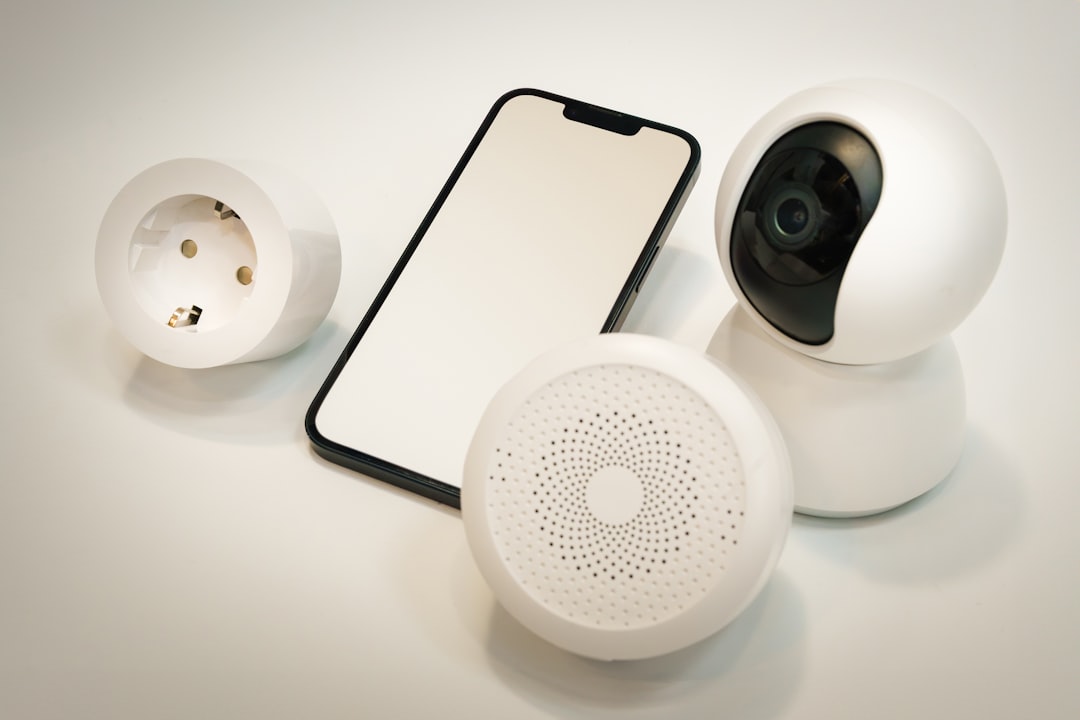
The modern home is no longer secured by a lock and key alone. With rapid advancements in connected technology, smart home automation apps now act as intelligent guardians—monitoring entrances, detecting unusual activity, and alerting homeowners in real time. As cyber and physical security concerns grow, these apps combine artificial intelligence, cloud connectivity, and device integration to deliver protection with reported reliability rates as high as 78% in threat detection and prevention scenarios. That level of performance is transforming how individuals and families think about security.
TLDR: Smart home automation apps enhance home security through real-time monitoring, AI-powered threat detection, and seamless device integration. Many top platforms demonstrate up to 78% reliability in identifying security risks and alerting homeowners promptly. Features like motion detection, remote access, automation rules, and smart alerts significantly reduce false alarms. Choosing the right app depends on compatibility, budget, and desired level of control.
Compared to traditional alarm systems, smart security apps do much more than sound an alarm. They learn patterns, differentiate between normal and suspicious behavior, and allow users to control their homes from anywhere in the world. Let’s explore how these systems work, what makes them reliable, and which apps stand out in today’s market.
Table of Contents
How Smart Home Automation Apps Improve Security
Smart home security apps connect various devices—cameras, sensors, smart locks, doorbells, and lighting systems—into a centralized control platform. This integration allows the system to assess multiple data points before triggering alerts.

Key security-enhancing capabilities include:
- Real-time alerts: Instant notifications when motion, sound, or door activity is detected.
- AI-based motion detection: Differentiates between humans, pets, and environmental movement.
- Remote monitoring: Live camera feeds accessible via smartphone.
- Automation rules: Program lights to turn on automatically when motion is detected at night.
- Cloud recording: Secure video storage for reviewing incidents.
- Geofencing: Automatically arms or disarms security systems based on your location.
The reported 78% reliability rate often reflects the app’s accuracy in correctly identifying genuine threats versus false alarms. While not perfect, this significantly reduces unnecessary emergency responses compared to older systems.
Why 78% Reliability Matters in Home Security
In security systems, reliability determines user trust. A system that frequently issues false alarms may be ignored. On the other hand, missing real threats can compromise safety.
Modern smart apps boost reliability through:
- Machine learning algorithms that adapt to household behavior patterns.
- Multi-sensor confirmation before triggering critical alerts.
- Environmental filtering to reduce weather-related false triggers.
For example, if a door sensor detects opening, the system may also check indoor motion sensors and camera activity before sending a high-priority alert. This layered validation is what helps achieve higher consistency rates.
Top Smart Home Automation Apps for Security
Several apps lead the industry in reliability, ease of use, and integration capabilities. Below is a breakdown of four popular options.
1. Ring App
- Comprehensive camera and doorbell integration
- Strong motion detection customization
- Neighborhood alert sharing feature
- Cloud-based video storage
2. Google Home
- Seamless integration with Nest cameras and thermostats
- AI-powered familiar face detection
- Centralized ecosystem control
- Voice command compatibility
3. ADT Control
- Professional monitoring services
- Advanced intrusion detection
- Smart automation scheduling
- 24/7 emergency response integration
4. SimpliSafe App
- Wireless sensor controls
- Customizable alert sensitivity
- Battery and connectivity monitoring
- Quick emergency dispatch options
Comparison Chart: Leading Smart Security Apps
| Feature | Ring | Google Home | ADT Control | SimpliSafe |
|---|---|---|---|---|
| AI Detection | Advanced | Highly Advanced | Moderate | Moderate |
| Professional Monitoring | Optional | No | Yes | Optional |
| Cloud Storage | Yes | Yes | Yes | Yes |
| Device Integration | High | Very High | High | Medium |
| Estimated Reliability Rate | 76–78% | 78%+ | 75–77% | 74–76% |
Automation Scenarios That Strengthen Security
The real power of smart apps lies in automation. Instead of passively recording events, these systems can take proactive steps to deter threats.
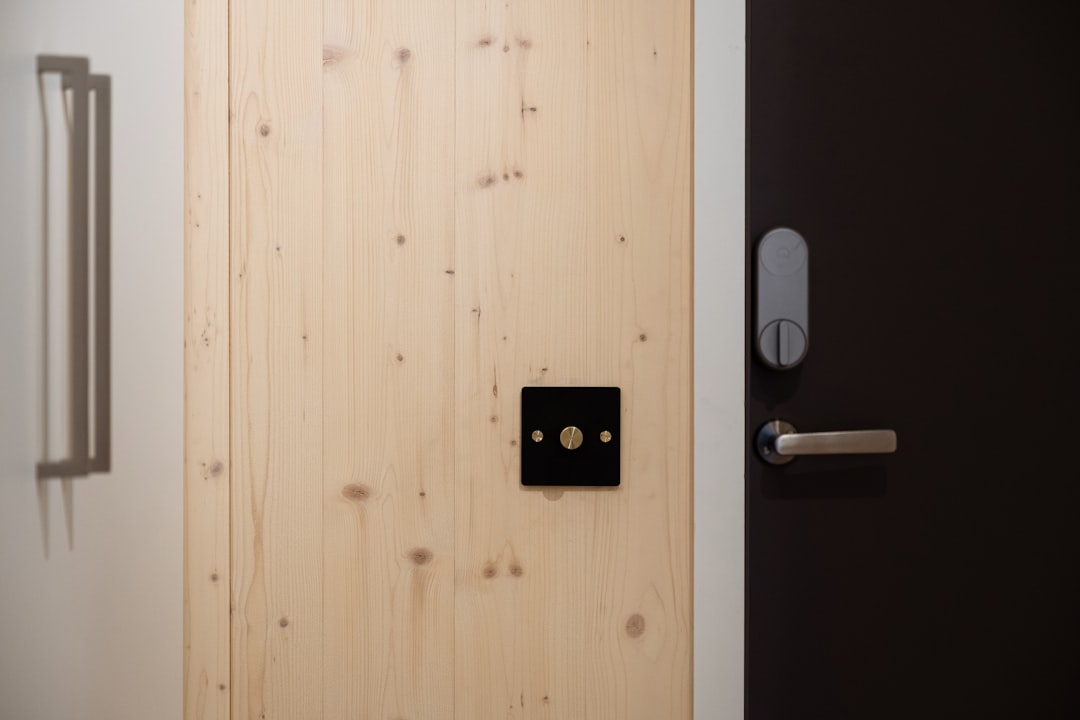
Popular automation examples include:
- Night mode security: Automatically locks doors and activates cameras at bedtime.
- Vacation mode: Simulates occupancy by turning lights on and off randomly.
- Intrusion response: Activates sirens and exterior lights when unauthorized entry is detected.
- Package monitoring: Sends alerts when deliveries arrive.
These automations not only increase safety but also discourage potential intruders by eliminating signs of vacancy or vulnerability.
Integration with Other Smart Devices
The more connected devices your home has, the more intelligent your security system becomes. Smart home apps often integrate with:
- Smart thermostats
- Garage door controllers
- Smoke and carbon monoxide detectors
- Water leak sensors
- Voice assistants
For example, if smoke is detected, the system can automatically unlock doors, switch on lights, and notify emergency contacts. This interconnected response dramatically improves safety efficiency.
Privacy and Cybersecurity Considerations
While improving physical security, smart apps must also maintain strong digital security. Encryption protocols, two-factor authentication, and secure cloud storage are critical components.
To ensure maximum protection:
- Enable two-factor authentication on all accounts.
- Regularly update device firmware.
- Use strong, unique passwords.
- Monitor device access logs.
A secure smart home ecosystem protects not only your property but also your data.
Cost vs. Value: Are Smart Security Apps Worth It?
Costs can vary from free basic apps to subscription-based professional monitoring services. Monthly fees typically range between modest self-monitoring plans and higher full-service protection packages.
Benefits that justify the investment:
- Reduced risk of burglary
- Lower potential insurance costs
- Remote peace of mind
- Evidence collection through video storage
When measured against the emotional and financial impact of a security breach, many homeowners find the value compelling.
The Future of Smart Security Automation
The next generation of smart home security apps will likely surpass the current 78% reliability benchmark. Advancements in AI image recognition, predictive analytics, and behavioral modeling will refine threat detection accuracy.
Future developments may include:
- Predictive intrusion alerts based on neighborhood crime data.
- Biometric home access using facial and fingerprint recognition.
- Enhanced drone integration for perimeter surveillance.
- Autonomous emergency communication with first responders.
As smart ecosystems evolve, homeowners may experience near real-time threat neutralization rather than simple alert notifications.
Final Thoughts
Smart home automation apps have redefined residential security. With reliability rates approaching 78%, these platforms deliver a balanced combination of intelligence, responsiveness, and convenience. By leveraging AI-driven detection, sensor fusion, real-time notifications, and customizable automation, they reduce both false alarms and missed threats.
While no system guarantees absolute perfection, integrating smart security apps into your home infrastructure creates a proactive defense layer that traditional systems cannot match. For homeowners seeking peace of mind in a connected era, smart automation is not just an upgrade—it’s becoming an essential safeguard.