
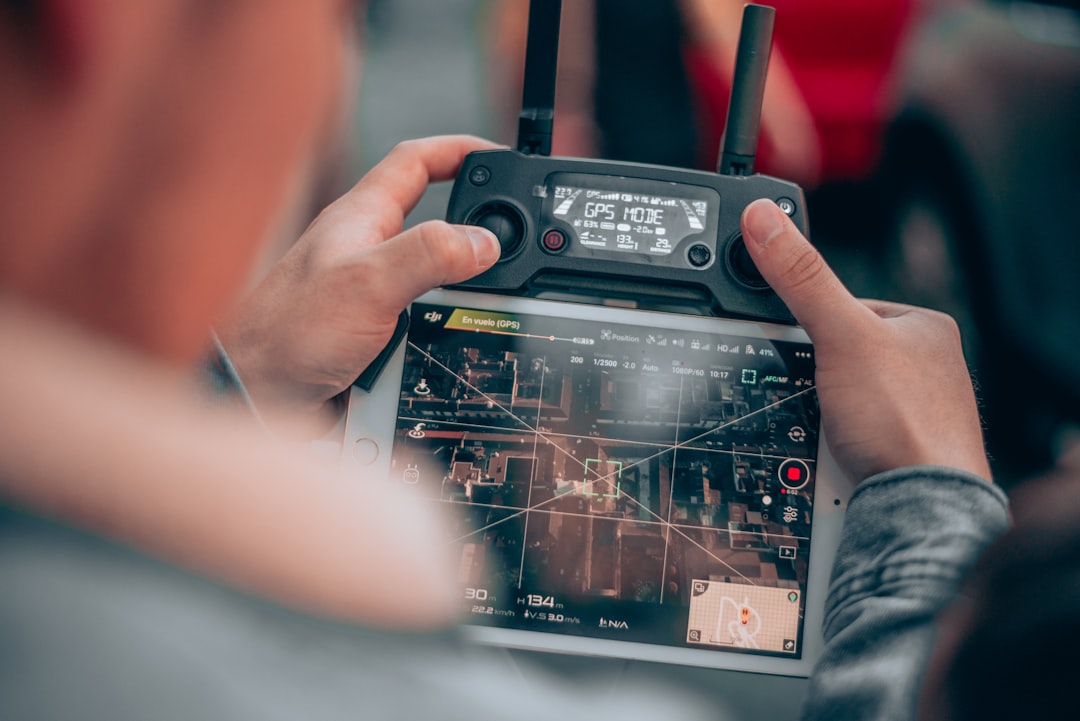
Modern drones are no longer simple flying cameras. They are highly capable aerial systems equipped with intelligent flight controllers, programmable routes, obstacle detection, and advanced imaging features. However, unlocking their full potential requires more than basic transmitter skills. Professional pilots and serious hobbyists increasingly rely on specialized software and flight tools to push beyond default limitations and gain precision control, automation, and enhanced safety.
TLDR: Advanced drone flight tools allow pilots to automate missions, improve safety, enhance imaging precision, and analyze flight performance in depth. From mission-planning apps to telemetry analyzers and simulator platforms, the right tools unlock capabilities that are otherwise buried beneath default settings. Whether you are mapping terrain, filming complex cinematic shots, or conducting inspections, these seven tools provide greater control and professional-grade results.
Below, we examine seven essential drone flight tools that enable advanced features and controls, along with a comparison chart to help you determine which best fits your operational needs.
Table of Contents
1. Mission Planning Software
Mission planning software transforms the way you approach drone operations. Instead of manually piloting every movement, you can pre-program precise flight paths, set altitude parameters, configure camera triggers, and define waypoints with exact coordinates.
Advanced features unlocked:
- Automated waypoint navigation
- Grid-based mapping missions
- 3D terrain following
- Customizable speed and heading controls
- Repeatable flight paths for consistent data capture
This tool is particularly critical for surveyors, agricultural professionals, and infrastructure inspectors. By automating repeatable routes, operators reduce human error and improve data consistency across multiple missions.
Image not found in postmetaSerious operators rely on mission planning software to convert drones from manual aircraft into programmable aerial platforms capable of centimeter-level accuracy.
2. Advanced Flight Controller Configuration Tools
Most consumer drones ship with conservative default settings optimized for safety. However, experienced pilots often require deeper control over throttle curves, braking sensitivity, yaw rates, and gain adjustments.
Advanced configuration tools allow fine-tuning of:
- PID parameters
- Acceleration and deceleration curves
- Obstacle avoidance sensitivity
- Return-to-home altitude behavior
- Geofencing boundaries
These adjustments can dramatically improve aircraft responsiveness, especially for cinematic flying or racing environments. However, such changes require technical understanding. Incorrect configurations may compromise stability or safety.
Best suited for: Experienced pilots who require granular performance control.
3. Drone Flight Simulators
Before experimenting with aggressive maneuvers or complex camera paths, professionals often train in flight simulation software. These simulators replicate real-world physics, wind resistance, battery behavior, and aircraft dynamics.
Key advantages include:
- Risk-free skill development
- Practice in high-risk environments
- Testing controller adjustments safely
- Improved emergency response training
High-quality simulators integrate with actual drone transmitters, replicating real stick feel and tension. This minimizes the gap between virtual training and live deployment.
Using a simulator is not merely for beginners. Even enterprise operators employ simulation scenarios to train on emergency procedures, signal loss recovery, and battery failure protocols.
4. Real-Time Telemetry Monitoring Tools
Flight safety and performance optimization depend heavily on telemetry data. Advanced telemetry monitoring platforms provide comprehensive, real-time feedback on:
- Battery health and temperature
- Signal strength and interference levels
- Wind speed resistance
- Motor output balance
- GPS satellite count and signal quality
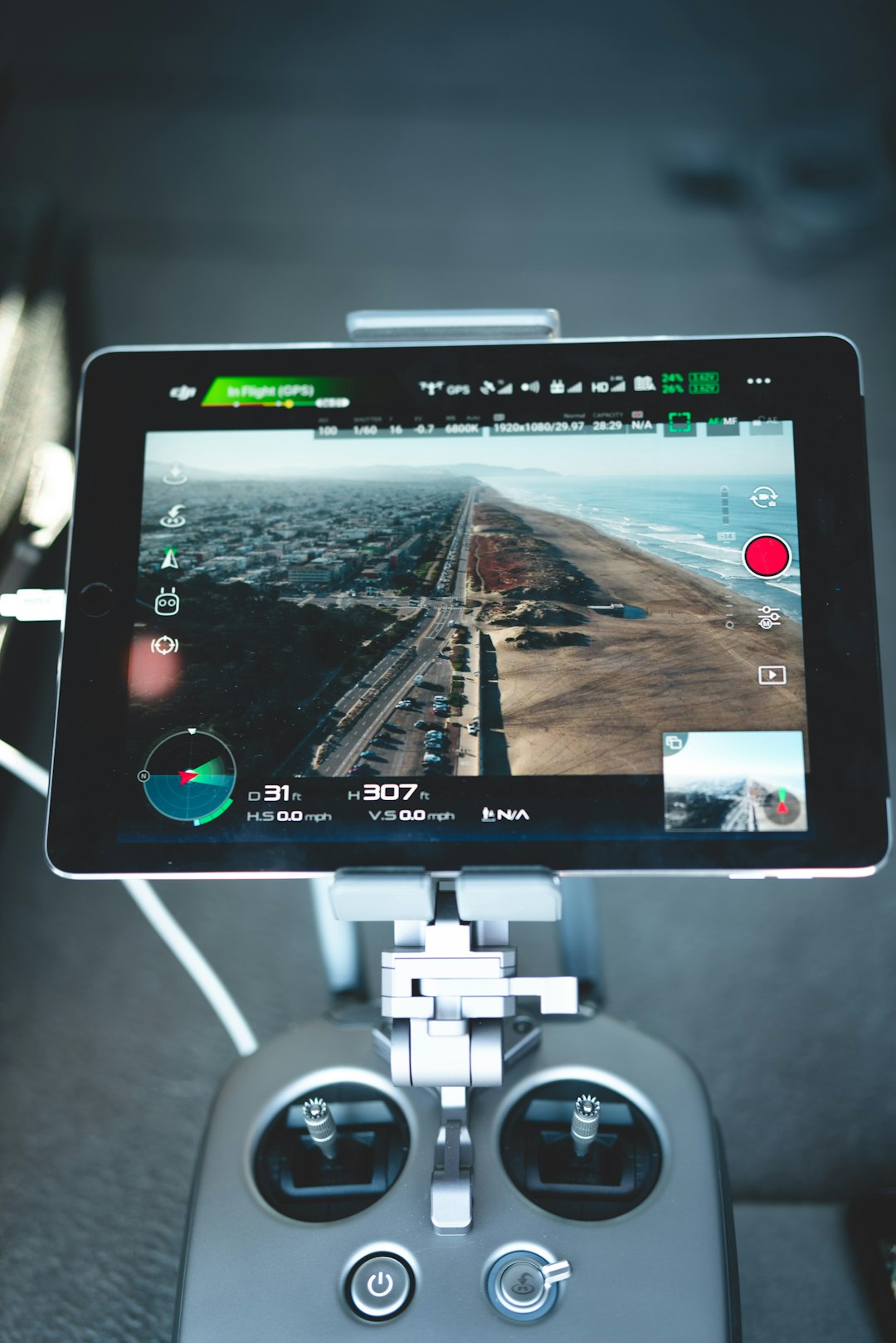
These tools often display customizable dashboards, allowing operators to prioritize critical metrics. High-visibility alerts can be configured for voltage dips, excessive motor strain, or signal degradation.
For enterprise operations in complex environments—such as industrial inspections or search and rescue missions—telemetry monitoring significantly reduces operational risk.
5. Geofencing and Airspace Management Platforms
Compliance with airspace regulations is essential, especially in urban environments or near restricted zones. Airspace management tools integrate official aviation data, enabling operators to:
- Check controlled airspace boundaries
- Submit flight authorization requests
- Monitor temporary flight restrictions
- Apply geofencing overlays
Advanced geofencing capabilities allow operators to set software-based boundaries to prevent aircraft from entering restricted or hazardous areas. This is particularly valuable for organizations operating fleets of drones, ensuring pilot compliance across teams.
By integrating regulatory awareness directly into the flight workflow, these platforms reduce legal risks and promote responsible operations.
6. Automated Cinematic Control Applications
Precision cinematography requires controlled movement that is difficult to achieve manually. Cinematic control tools allow pilots to automate complex shots such as:
- Orbiting a subject with fixed framing
- Dolly zoom simulations
- Reveal shots through timed ascent paths
- Subject tracking with predictive motion algorithms
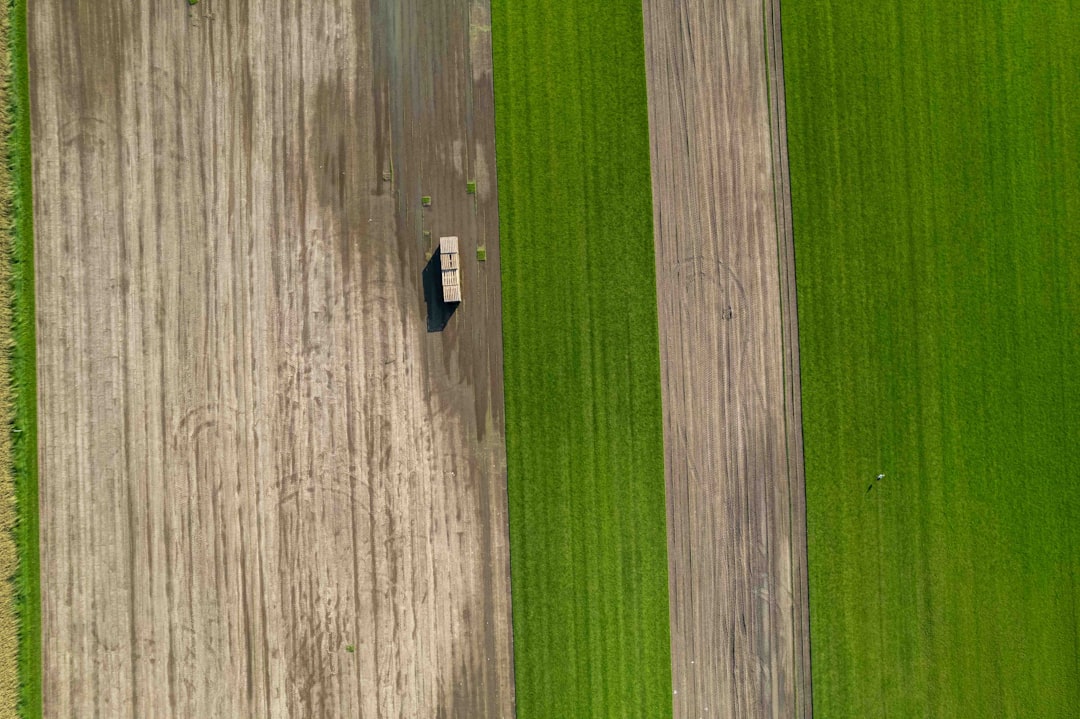
These tools combine GPS tracking, computer vision, and gimbal-lock programming to maintain consistent framing. Rather than focusing on stick precision, the pilot supervises execution while the software ensures smooth trajectory control.
For filmmakers, real estate marketers, and commercial video producers, automated cinematic modes unlock previously unattainable shot consistency.
7. Flight Log Analysis and Data Review Tools
After landing, the most valuable insights often come from reviewing flight logs. Log analysis tools allow deep examination of performance data such as:
- Battery discharge patterns
- Motor efficiency trends
- GPS drift
- Signal fluctuation events
- Error warnings and system flags
By reviewing logs, operators can diagnose near-incidents, identify equipment degradation, and refine flight parameters. Fleet managers frequently use log data to schedule preventative maintenance and optimize battery lifecycle management.
Serious aviation professionals treat flight logs as mission-critical records, not as optional extras.
Comparison Chart of Drone Flight Tools
| Tool | Primary Purpose | Best For | Skill Level Required | Key Benefit |
|---|---|---|---|---|
| Mission Planning Software | Route automation and mapping | Surveyors, inspectors | Intermediate | Repeatable, precise flight paths |
| Flight Controller Configuration | Performance tuning | Advanced pilots | Advanced | Granular aircraft responsiveness |
| Flight Simulators | Skill training | All pilots | Beginner to Advanced | Risk-free practice |
| Telemetry Monitoring | Live performance tracking | Enterprise operators | Intermediate | Enhanced flight safety |
| Airspace Management | Regulatory compliance | Commercial operators | Beginner to Intermediate | Legal risk reduction |
| Cinematic Control Apps | Automated filming | Content creators | Intermediate | Smooth professional shots |
| Flight Log Analysis | Post-flight diagnostics | Fleet managers | Intermediate to Advanced | Preventative maintenance insights |
Why These Tools Matter
The drone industry continues to evolve toward increased automation, higher safety standards, and data-driven operations. Basic manual flight is no longer sufficient for many professional applications. Advanced tools provide:
- Precision: Reduced human variability.
- Safety: Real-time alerts and post-flight diagnostics.
- Efficiency: Automated mission execution.
- Compliance: Integrated airspace awareness.
- Creative control: Repeatable cinematic movements.
Importantly, these tools shift the role of the pilot from manual operator to mission manager. The aircraft executes complex routines while the pilot supervises strategy, environmental awareness, and safety decision-making.
When used responsibly and with proper training, these systems elevate drone operations from recreational flying to professional-grade aviation practice.
Final Considerations
Investing in advanced flight tools is not about making drones more complicated. It is about making them more capable, predictable, and safe. Each of the seven tools discussed serves a distinct purpose, yet together they create a comprehensive ecosystem for high-level drone operation.
Before integrating advanced controls, ensure you:
- Understand aviation regulations in your region.
- Receive proper training for configuration adjustments.
- Test changes in controlled environments.
- Maintain detailed flight logs for continuous improvement.
As drone technology continues to mature, operators who adopt serious flight management tools will remain ahead of the curve. Advanced capability is no longer optional in professional environments—it is expected. The right tools not only unlock sophisticated features but also reinforce the discipline and safety standards that define responsible aviation.