
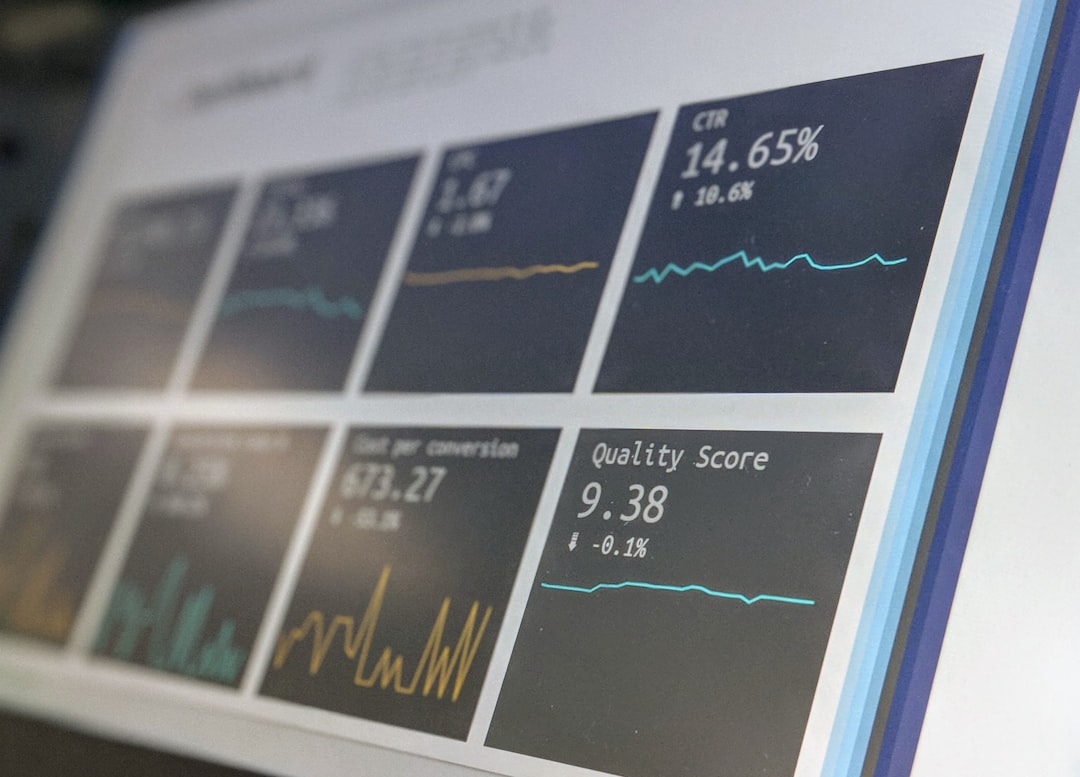
Fantasy sports used to be about gut feelings and lucky guesses. Not anymore. Today, fantasy sports analytics platforms help you make smart, data-driven choices every week. They crunch numbers fast. They spot trends you might miss. And they give you the edge you need to win.
TL;DR: Fantasy sports analytics platforms use data, projections, and AI tools to help you set better lineups, draft smarter, and make timely trades. They turn complex stats into simple advice. Many tools offer matchup insights, player projections, and injury updates in real time. If you want to optimize every move, these platforms are game-changers.
Let’s break it down in a fun and simple way.
Table of Contents
What Is a Fantasy Sports Analytics Platform?
In plain English? It’s a smart assistant for your fantasy team.
These platforms collect tons of data:
- Player performance history
- Matchup statistics
- Injury reports
- Weather conditions
- Advanced metrics like usage rate or expected goals
Then they turn all that into easy-to-understand advice.
For example:
- “Start this wide receiver. He performs 20% better against zone defense.”
- “Bench this pitcher. The opposing lineup crushes left-handers.”
- “Trade this player now. His value is peaking.”
It’s like having a data scientist on your roster.
Why Analytics Matter More Than Ever
Fantasy leagues are more competitive now. Everyone has access to basic stats.
That means simple numbers like total points or batting average aren’t enough.
You need deeper insights:
- Advanced metrics like player efficiency ratings
- Matchup-specific projections
- Consistency scores
- Injury probability analysis
Analytics platforms help you spot breakout players before everyone else does.
Features That Help You Optimize Every Move
1. Smart Draft Tools
Your season can be won or lost on draft day.
Analytics tools offer:
- Real-time player rankings
- Auction value calculators
- Draft simulations
- Position scarcity analysis
They adjust instantly as players are drafted. This helps you avoid reaching too early or missing a sleeper.
2. Weekly Lineup Optimizers
This is where the magic happens.
A lineup optimizer scans:
- Defensive matchups
- Weather reports
- Injuries
- Recent performance trends
Then it ranks your best starting combination.
No second guessing. No panic swaps five minutes before kickoff.
3. Trade Analyzers
Trades can shift an entire league.
A good analytics platform will:
- Assign fair value scores
- Account for playoff schedules
- Evaluate positional depth
- Project future performance
This removes emotion from the decision. It’s numbers, not hype.
4. Waiver Wire Pickups
Championship teams win the waiver wire.
Analytics platforms scan for:
- Usage spikes
- Increased snap counts
- Injury-driven opportunities
- Underlying performance improvements
You’ll know who to pick up before your league chat wakes up.
Popular Fantasy Sports Analytics Platforms
Here’s a comparison of some well-known tools used by fantasy players:
| Platform | Best For | Key Features | Skill Level |
|---|---|---|---|
| FantasyPros | Beginner to Advanced | Draft wizard, trade analyzer, lineup tools | Easy to Use |
| RotoGrinders | Daily Fantasy Sports | Advanced projections, optimizer, ownership data | Intermediate |
| NumberFire | Data-Driven Managers | Predictive analytics, player projections | Intermediate |
| DraftSharks | Season-Long Leagues | Injury analysis, custom rankings | All Levels |
Each offers a slightly different flavor. Some are beginner-friendly. Others go deep into numbers.
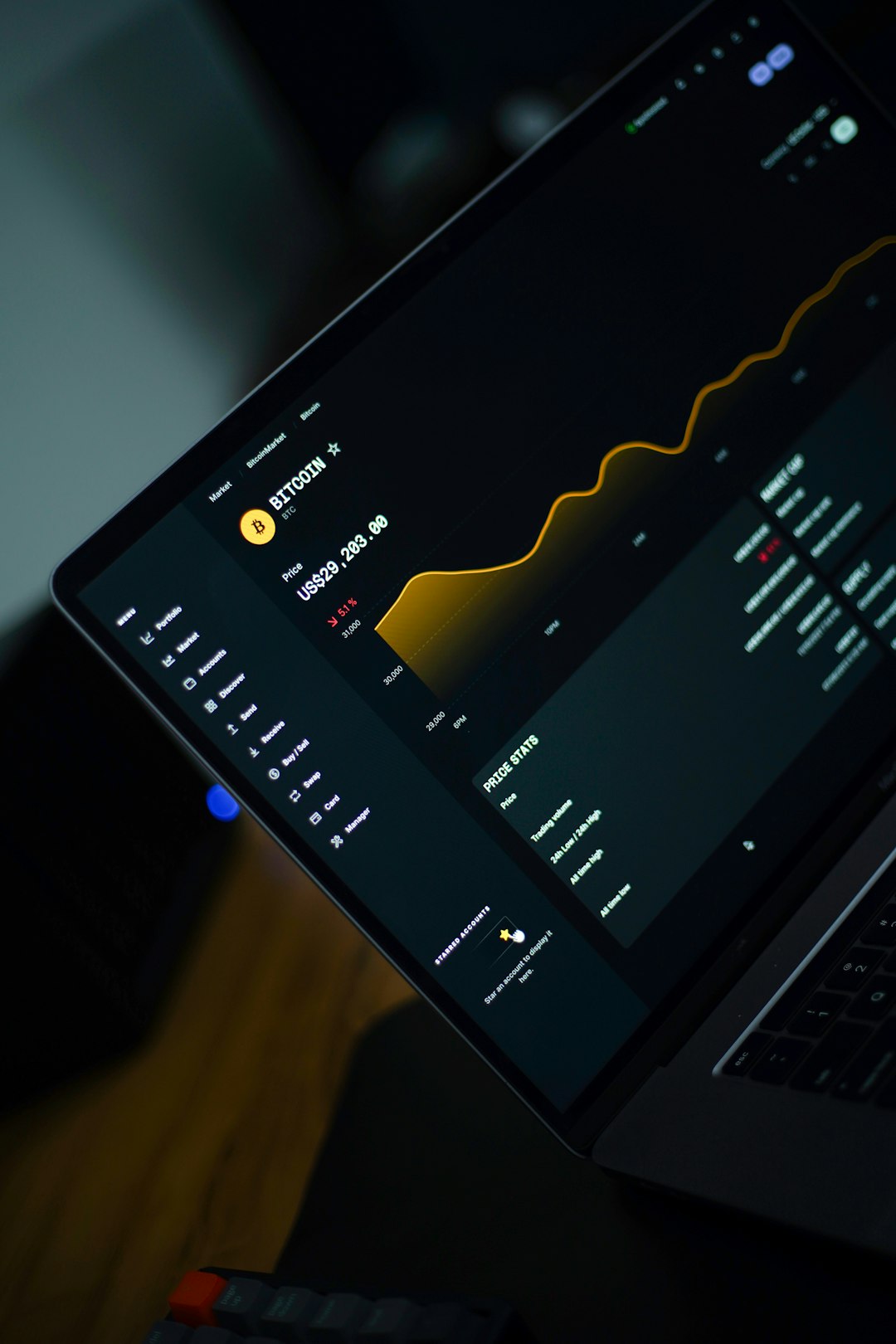
How AI Is Changing Fantasy Sports
Artificial intelligence is taking fantasy analytics to a new level.
AI models can:
- Identify patterns across thousands of games
- Adjust projections based on real-time data
- Simulate game outcomes
- Predict regression before it happens
For example, if a basketball player is scoring way above their career average, AI can flag possible regression. That might be your cue to sell high.
It’s not guessing. It’s probability modeling.
Understanding Key Metrics (Without Getting a Headache)
Here are a few analytics terms made simple:
- Usage Rate: How often a player is involved in plays.
- Expected Goals (xG): The quality of scoring chances.
- Target Share: Percentage of passes thrown to a player.
- Efficiency Rating: Output compared to opportunities.
You don’t need to calculate these yourself.
The platform does that for you. You just use the insight.
Daily Fantasy vs Season-Long Leagues
The type of analytics you need depends on your format.
Daily Fantasy Sports (DFS)
- Short-term projections matter most.
- Ownership percentage is critical.
- Ceiling and volatility are key.
You’re optimizing for one day. High risk can mean high reward.
Season-Long Leagues
- Consistency is more important.
- Bye weeks matter.
- Playoff schedule matters.
Here, you optimize for balance and long-term strength.

How to Use Analytics Without Overthinking
There’s a thin line between being informed and being overwhelmed.
Here’s how to keep it simple:
- Pick one main platform. Don’t juggle five.
- Trust projections over emotions.
- Focus on trends, not one-week flukes.
- Use tools for confirmation, not panic.
Analytics should reduce stress. Not cause it.
The Competitive Advantage
In most leagues:
- Some managers rely on gut feeling.
- Some stop paying attention mid-season.
- Some never check advanced stats.
If you consistently use analytics tools:
- You stream better defenses.
- You rotate smarter flex options.
- You win close matchups.
- You prepare for playoffs earlier.
Over time, small edges add up.
A two-point improvement each week can mean multiple wins across a season.
Are Paid Platforms Worth It?
Free tools are great.
But paid platforms often offer:
- Custom scoring settings
- Deeper projections
- Advanced filters
- Priority customer insights
If your league has a big prize or serious bragging rights, the investment can pay off quickly.
Think of it like premium equipment for an athlete.
Final Thoughts: Play Smarter, Not Harder
Fantasy sports are fun. They should stay that way.
Analytics platforms don’t remove the excitement. They amplify it.
You’ll feel more confident on draft day. More prepared on Sundays. More strategic during trade talks.
Optimizing every move doesn’t mean obsessing over every stat.
It means using smart tools to guide smart decisions.
In the end, it’s still your team. Your call. Your championship run.
But with the right analytics platform?
You won’t just play.
You’ll play to win.