
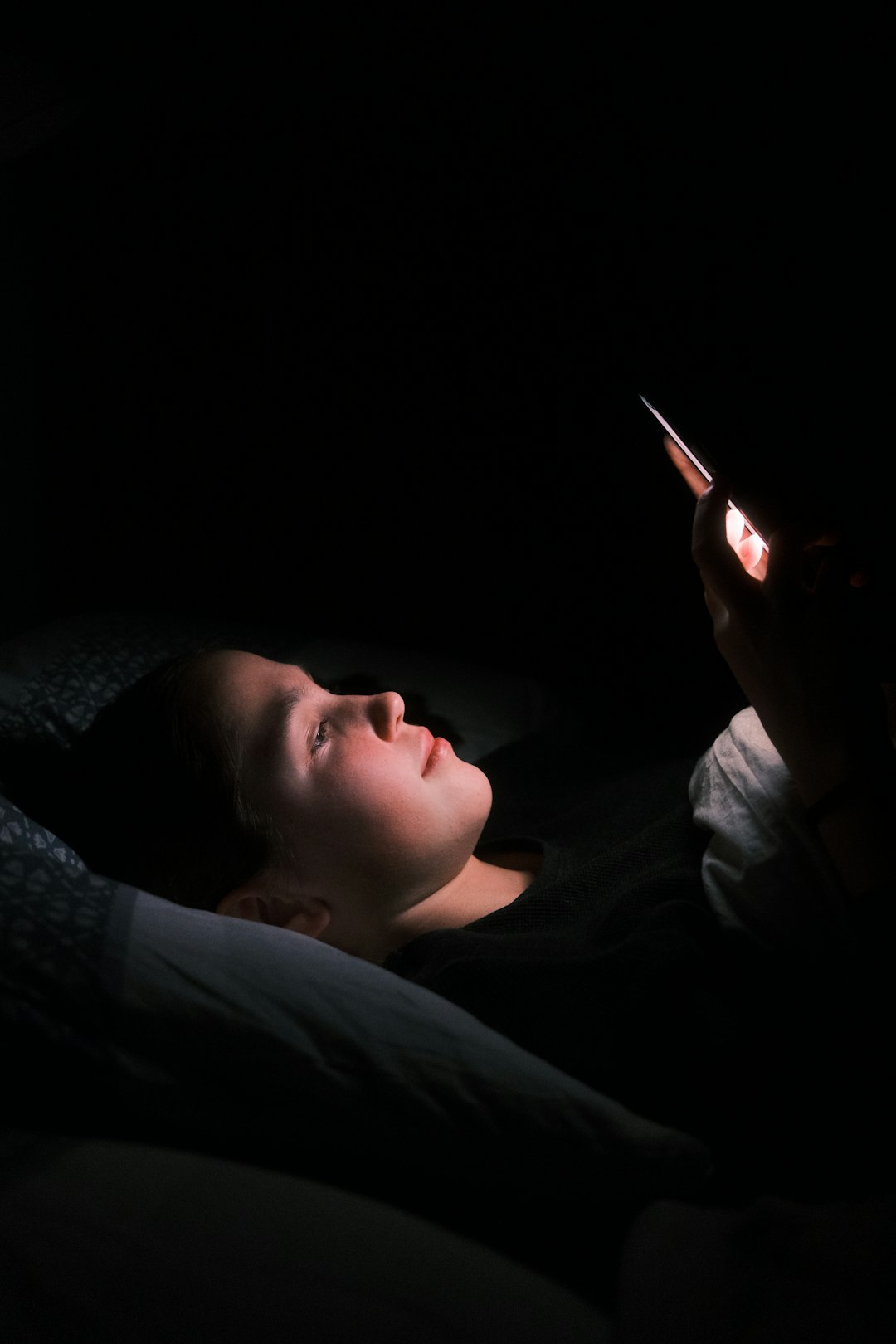
In recent years, social media has transformed how people communicate, consume news, and present themselves to the world. Yet a growing body of surveys reveals a striking contradiction: a majority of social media users admit they would be happier if social media did not exist. This sentiment reflects rising concerns about comparison culture, digital fatigue, misinformation, and mental health. Among all platforms, Instagram stands at the center of this conversation due to its highly visual, curated nature and its deep cultural influence.
TLDR: Many users now report they would feel happier without social media, citing anxiety, comparison, and digital overload. Instagram, once seen as a creative and social haven, is increasingly associated with pressure and performance. As a result, usage trends are shifting toward private sharing, reduced posting, and curated interaction. These evolving behaviors signal a major transformation in how people engage with the platform.
Table of Contents
The Happiness Gap in the Age of Social Media
Surveys conducted across multiple countries suggest that more than half of users believe their lives would improve if social media disappeared. While social platforms offer connection, entertainment, and opportunity, many users report feelings of:
- Anxiety and depression linked to comparison
- Low self-esteem from unrealistic standards
- Time dissatisfaction due to excessive scrolling
- Information overload and sensational news exposure
- Social pressure to perform or appear successful
Instagram, in particular, amplifies these emotions because of its emphasis on aesthetic perfection. Carefully edited images, fitness transformations, luxury travel, and influencer lifestyles dominate feeds, often creating a distorted perception of normalcy.
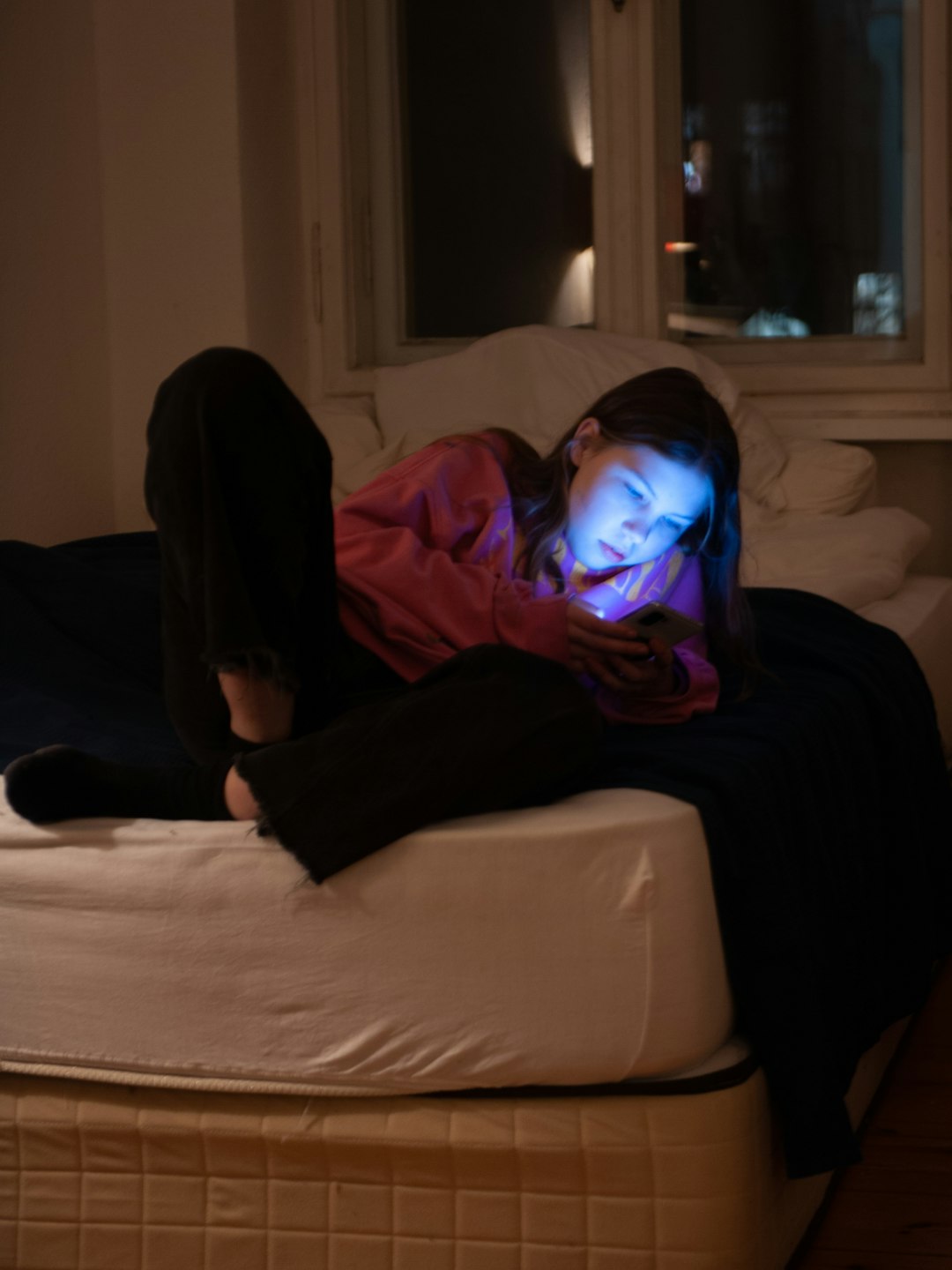
Late-night scrolling has become symbolic of digital fatigue. Users frequently describe a cycle in which they log on for relaxation yet log off feeling worse. The contrast between intention and outcome helps explain why many people wish social media did not exist—even as they continue to use it daily.
Why Instagram Is at the Center of the Debate
Instagram’s design plays a powerful role in shaping user psychology. Originally launched as a simple photo-sharing app, it evolved into a sophisticated algorithm-driven ecosystem featuring Stories, Reels, direct messaging, and shopping features. While these tools increased engagement, they also intensified self-awareness and comparison.
Unlike text-heavy platforms, Instagram prioritizes visual storytelling. Images often communicate status more immediately than words. Whether intentional or not, users curate highlight reels of their lives—vacations, achievements, aesthetic meals, and milestone moments—rarely revealing mundane or difficult realities.
This curated visibility leads to:
- Performative posting — content crafted for validation rather than authenticity
- Metrics obsession — fixation on likes, comments, and follower counts
- Fear of missing out (FOMO) — heightened awareness of excluded events
- Identity distortion — shaping self-image to match online reactions
As users become more aware of these psychological patterns, their relationship with Instagram is becoming more cautious and selective.
Shifting Usage Trends: What the Data Suggests
The growing dissatisfaction with social media does not necessarily translate into mass abandonment. Instead, it signals behavioral evolution. Instagram usage trends reveal a subtle but meaningful transformation in how people engage with the platform.
1. Rise of Passive Consumption
More users report scrolling without posting. This “lurking” behavior reduces exposure to performance pressure but maintains platform dependency. Users consume content quietly while avoiding the stress of maintaining visibility.
2. Preference for Private Sharing
Direct messages, Close Friends Stories, and private group chats are gaining popularity. Users increasingly prefer intimate digital interactions over public broadcasts.
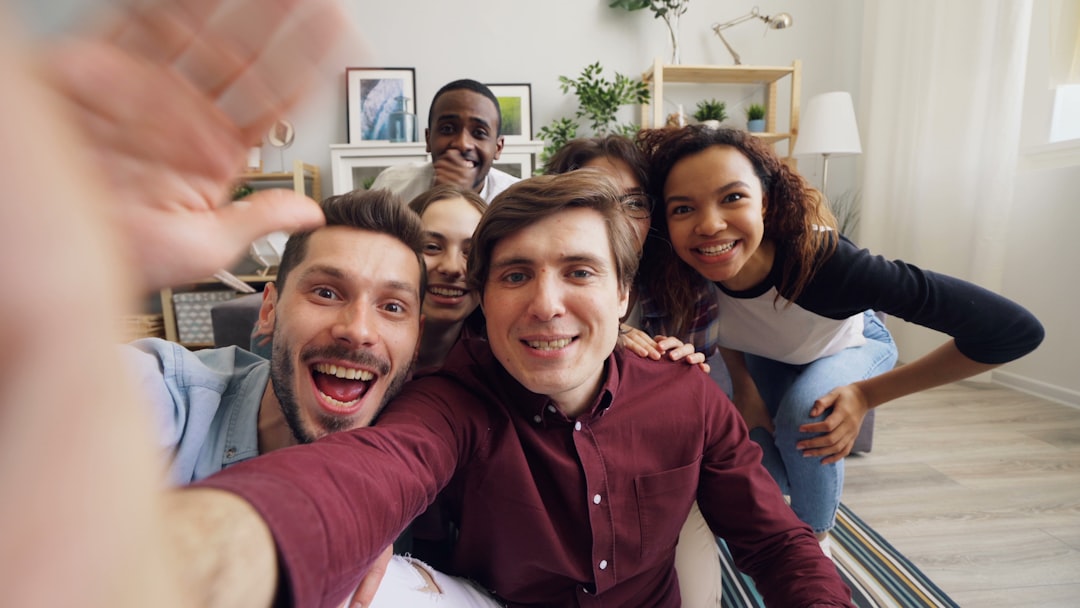
This trend suggests a desire to return to smaller, more meaningful circles rather than performing for broad audiences.
3. Reduced Posting Frequency
Many users are posting less frequently than in previous years. Carefully curated grid aesthetics have given way to spontaneous Stories or short-form videos designed to disappear after 24 hours.
4. Growth of “Digital Detox” Culture
Temporary account deactivations, screen time trackers, and weekend detox challenges are becoming normalized. Although many users eventually return, breaks are increasingly common and socially accepted.
5. Algorithmic Fatigue
Users often express frustration with algorithm-driven recommendations. Instead of seeing content from close friends, feeds frequently prioritize viral creators or sponsored posts, diminishing the sense of community that originally defined the platform.
The Psychological Drivers Behind Instagram Fatigue
Instagram fatigue does not happen in isolation. It is rooted in well-documented psychological principles.
Social Comparison Theory
Humans naturally evaluate themselves by comparing to others. On Instagram, exposure to idealized images accelerates this comparison cycle. When upward comparisons dominate feeds, self-perception suffers.
Dopamine Loops
The unpredictability of notifications and engagement metrics activates reward circuits in the brain. This intermittent reinforcement keeps users returning, even when the overall experience reduces happiness.
Self-Discrepancy Theory
The gap between a person’s “actual self” and “ideal self” grows when curated personas are constantly reinforced. The effort required to maintain an idealized digital image can be emotionally exhausting.
Generational Differences in Instagram Engagement
While dissatisfaction spans age groups, generational patterns vary:
- Gen Z: More likely to embrace authenticity trends, meme culture, and secondary “finsta” accounts for private sharing.
- Millennials: Balancing nostalgia for early Instagram simplicity with frustration over commercialization.
- Gen X and Boomers: Less frequent posting but growing skepticism about misinformation and privacy.
Interestingly, younger users—despite being native to the platform—are often the most vocal critics of its psychological effects. Their push toward authenticity may shape future norms.
What This Means for Brands and Influencers
The shift in user sentiment carries major implications for businesses and creators who rely on Instagram visibility.
- Authenticity outperforms perfection: Raw, minimally edited content increasingly resonates.
- Community-building matters more than reach: Micro-influencers and niche communities show stronger engagement.
- Transparency builds trust: Honest discussions about sponsorships and mental health reduce skepticism.
- Value-driven content gains traction: Educational, inspirational, or practical posts outperform pure aesthetics.
Brands that adapt to this emotional landscape can maintain loyalty, while those clinging to hyper-curated imagery risk alienation.
Is Instagram Declining or Evolving?
Despite widespread dissatisfaction, Instagram remains one of the most downloaded and used apps globally. The platform is not disappearing—but its cultural meaning is changing.
Rather than serving purely as a stage for idealized identity, Instagram is transitioning toward:
- Entertainment through short-form video
- Private messaging ecosystems
- E-commerce integration
- AI-personalized discovery
The question is not whether Instagram will survive, but whether it can evolve in ways that prioritize user well-being alongside engagement metrics.
The Paradox: Wanting Freedom but Staying Connected
The most compelling insight from user surveys is the paradox of attachment. People claim they would be happier without social media, yet few are willing to give it up entirely.
This contradiction reflects several realities:
- Social media is embedded in social infrastructure.
- Professional networking relies on digital presence.
- Cultural trends move through online platforms.
- Friendships often require participation in shared digital spaces.
In essence, opting out entirely may mean sacrificing social relevance or convenience. As a result, users renegotiate boundaries rather than exit completely.
Looking Ahead: The Future of Instagram Usage
If current trends continue, Instagram may become less about broadcasting perfection and more about curated connection. Users appear to crave:
- Control over algorithms
- Reduced metric visibility
- Mental health safeguards
- Authentic storytelling norms
Whether platforms implement meaningful structural changes remains uncertain. However, user sentiment increasingly influences product updates, suggesting that expressed dissatisfaction could drive innovation.
Ultimately, the admission that many would be happier without social media signals not rejection—but recalibration. Instagram’s next chapter may depend on whether it can transform from a comparison engine into a connection tool.
FAQ
1. Why do so many users say they would be happier without social media?
Common reasons include anxiety from constant comparison, time wasted on scrolling, exposure to negativity, and pressure to maintain a curated image. These factors can reduce overall well-being despite short-term entertainment benefits.
2. Is Instagram usage declining overall?
While dissatisfaction is increasing, overall user numbers remain high. Instead of mass abandonment, trends show shifting behaviors such as less frequent posting and more private sharing.
3. How is Instagram responding to mental health concerns?
The platform has experimented with hiding like counts, introducing screen time reminders, and expanding content moderation. However, critics argue that more systemic changes may be needed.
4. Are younger users leaving Instagram?
Younger users are diversifying their platform usage, often favoring emerging apps or private accounts. However, most still maintain some level of Instagram presence.
5. What can individuals do to use Instagram more healthily?
Strategies include limiting screen time, curating followed accounts, muting triggering content, taking periodic breaks, and focusing on meaningful interactions rather than metrics.
6. Does dissatisfaction mean social media will disappear?
Unlikely. Social media is deeply embedded in communication and commerce. However, user sentiment may reshape how platforms function and what they prioritize.
The growing admission that life might feel lighter without social media marks an important cultural turning point. Whether Instagram becomes part of the problem—or part of the solution—depends on how both users and platforms adapt in the years ahead.