
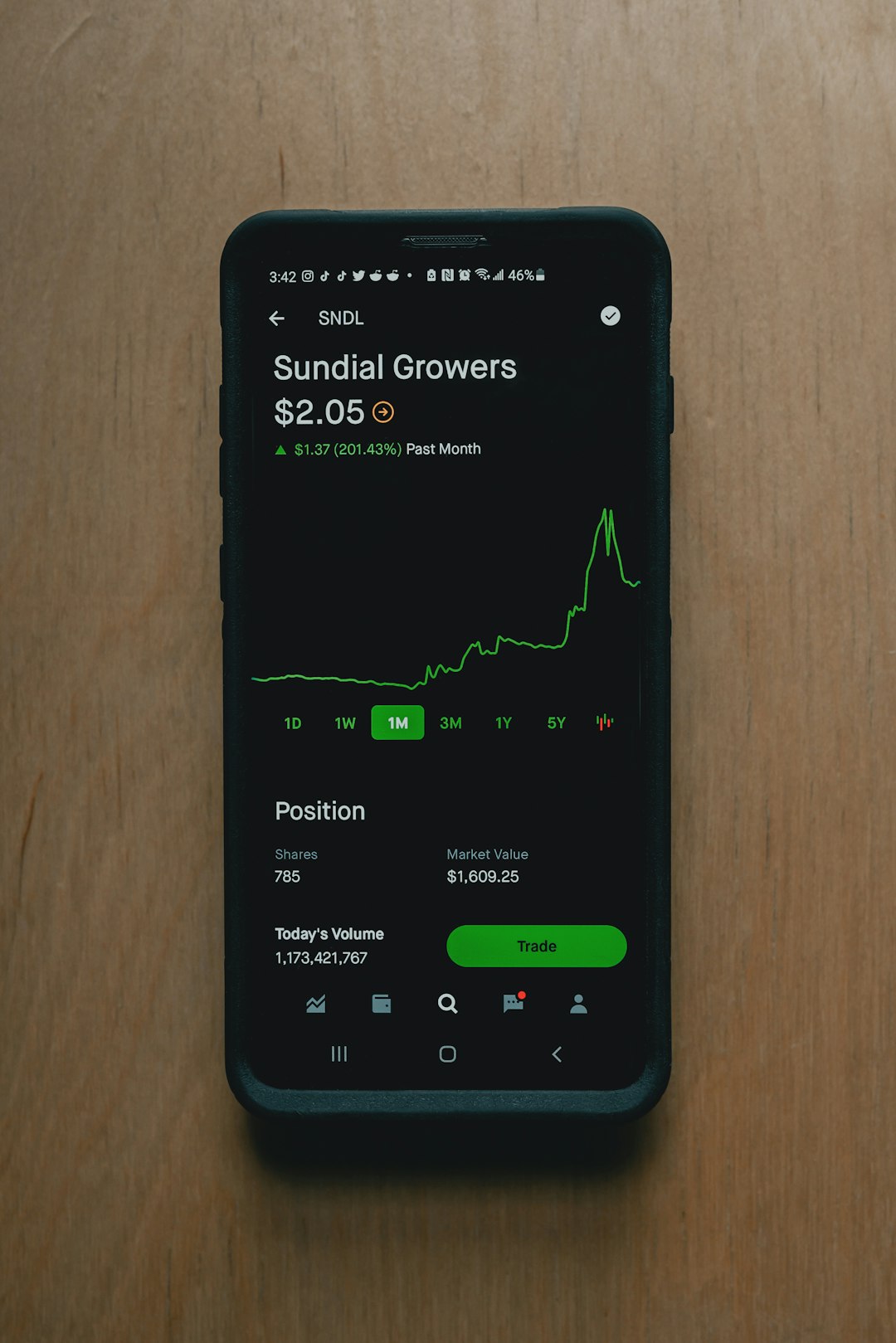
In today’s rapidly evolving investing landscape, choosing the right brokerage platform can be the difference between confident long-term investing and costly frustration. Two of the most popular platforms available today are Robinhood and Fidelity. While Robinhood revolutionized the industry by offering commission-free trading with a tech-savvy interface, Fidelity boasts decades of established credibility, full-service features, and investor support. Each offers significant value, but which is truly better for your financial goals?
Table of Contents
TL;DR
Robinhood excels in simplicity, speed, and accessibility for new investors, especially those focused on mobile trading and cryptocurrencies. Fidelity, on the other hand, outshines with its robust tools, comprehensive customer support, and strong educational resources. If you’re just getting started and want a clean, user-friendly interface, Robinhood could be ideal. But if you’re looking for long-term investing, research capabilities, and retirement planning, Fidelity is likely the better choice.
Platform Overview
Robinhood
Launched in 2013, Robinhood disrupted the brokerage industry by introducing commission-free trading and an app-first approach. Its minimalist design and gamified experience have drawn in a younger demographic and first-time investors. Over the years, Robinhood has expanded offerings to include options, fractional shares, and cryptocurrencies.
Fidelity
Fidelity is one of the oldest and most respected brokerage firms in the U.S., founded in 1946. Known for its range of financial products and services, Fidelity supports everything from basic equity trading to complex retirement planning and wealth management. Its long-standing reputation and breadth of tools make it a go-to platform for serious, long-term investors.
Key Differences
1. User Interface & Experience
- Robinhood: Prioritizes simplicity and mobile use. The clean design is effortless to navigate, especially for beginners. Its platform is ideal if you’re trading directly from your phone.
- Fidelity: Has a more traditional interface, offering robust desktop and mobile platforms. Designed for investors who want in-depth research capabilities and multiple tools at their fingertips.
In this category, Robinhood wins on ease of use, but Fidelity wins on depth and breadth.
2. Investment Options
- Robinhood: Offers stocks, ETFs, options, and cryptocurrencies.
- Fidelity: Provides a broader menu including stocks, bonds, ETFs, options, mutual funds, CDs, and more. Cryptocurrencies are not directly supported but can be accessed through crypto ETF products.
Fidelity clearly offers more diversified investment options, making it more suited for investors managing comprehensive portfolios.
3. Fees and Commissions
- Robinhood: Commission-free trading on all assets. No account minimums.
- Fidelity: Also offers commission-free trading on U.S. stocks and ETFs. Zero-fee index funds and no account minimums. Small administrative and mutual fund fees may apply.
Both provide exceptional value with low-cost account structures. However, Fidelity offers more fee-free mutual funds and no hidden fees—a slight edge for cost-conscious long-term investors.
4. Research Tools & Education
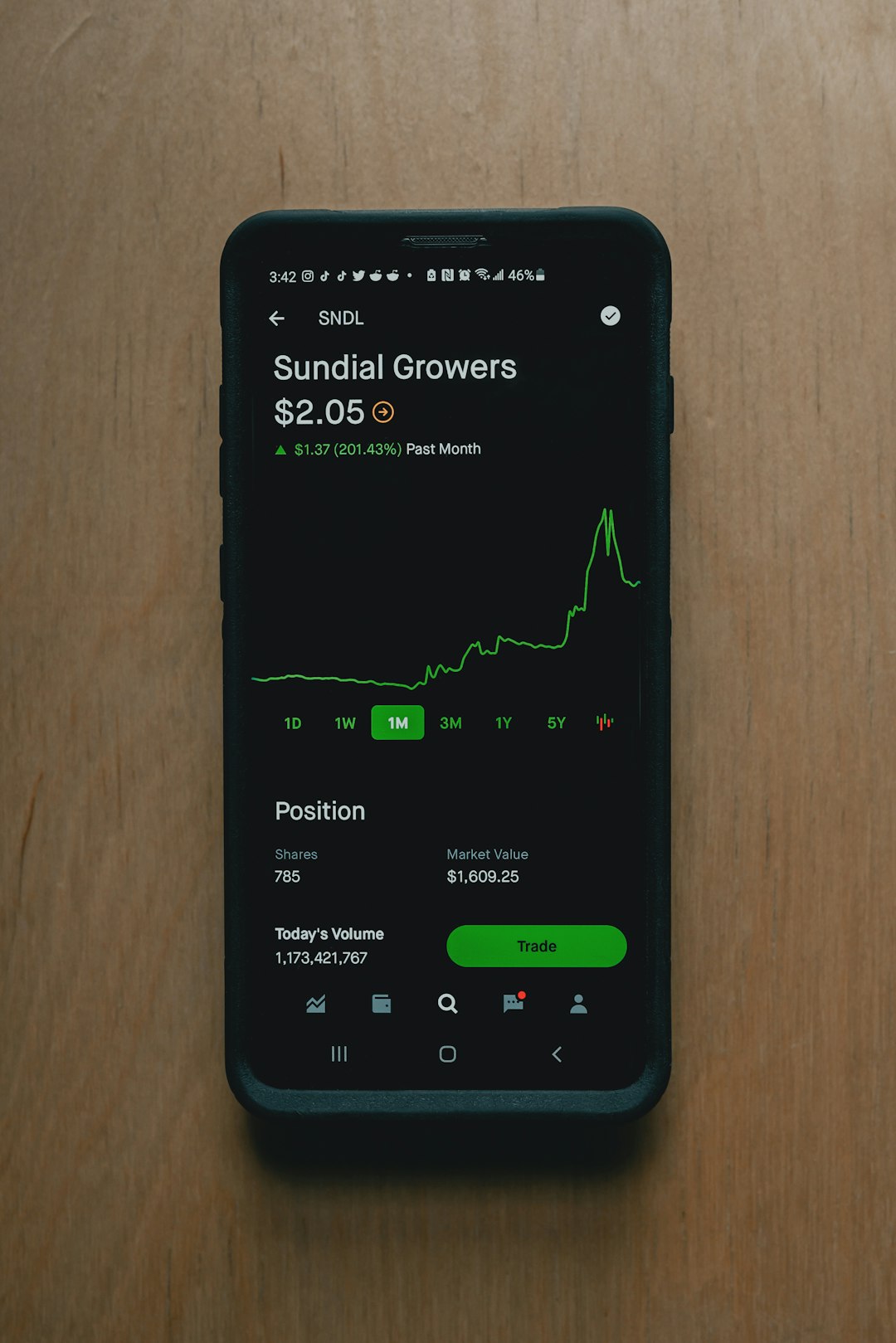
- Robinhood: Limited research reports. Provides basic candlestick charts and some news but lacks detailed analytical tools.
- Fidelity: Offers extensive research from third-party sources like Zacks and Morningstar, as well as in-house analysis. Educational content includes articles, webinars, and tools geared toward retirement planning and wealth building.
Fidelity outclasses Robinhood in research and education. It’s a better choice if you’re planning to make informed investment decisions over time.
5. Customer Support & Reliability
- Robinhood: Historically criticized for limited customer service and several outages during times of market volatility. Recent improvements include in-app phone support.
- Fidelity: Offers 24/7 live customer support by phone, chat, and email. Local branch offices provide face-to-face consultations. High marks for platform reliability.
Fidelity has a proven track record of stability and customer satisfaction, essential for serious investors.
Security and Regulation
Both Robinhood and Fidelity are registered with FINRA and SIPC insured, which means your securities are protected up to $500,000 (including $250,000 for cash claims). However, Robinhood has experienced security controversies in the past, including breaches and account compromise complaints. Fidelity, in contrast, has a long and stable history of top-tier data protection.
Retirement and Tax-Advantaged Accounts
If you’re planning your long-term future with retirement accounts such as IRAs or 401(k)s, here’s where Fidelity clearly leads. Robinhood only recently introduced retirement accounts and lacks the sophistication or historical performance to match Fidelity’s offerings:
- Fidelity: Offers a wide range of IRAs, 401(k) rollovers, HSA accounts, and more.
- Robinhood: Offers Roth and Traditional IRAs and incentivizes contributions with a match bonus.
Still, Fidelity’s guidance tools, retirement calculators, and professional financial advisors give it the edge in long-term financial planning.

Mobile App Ratings
Let’s look at how users rate each platform’s mobile experience:
- Robinhood: 4.2 stars on Google Play, 4.7 stars on Apple Store.
- Fidelity: 4.1 stars on Google Play, 4.6 stars on Apple Store.
Both apps are highly rated, but Robinhood gets slightly higher marks for user experience and intuitive design.
Notable Controversies
One cannot evaluate Robinhood without mentioning some of its controversial incidents. These include:
- 2021 GameStop trading halt that prevented users from buying particular stocks during high volatility.
- SEC investigations and regulatory fines for misleading communications.
Fidelity, by contrast, has maintained a strong regulatory standing over its decades of operation.
Who Should Use Robinhood?
Robinhood is best suited for:
- New investors who want a user-friendly app
- Younger demographics focused on trading cryptocurrencies or fractional shares
- Investors who prefer quick, low-friction trades with a simple interface
Who Should Use Fidelity?
Fidelity is ideal for:
- Long-term investors looking for diversification and retirement planning
- Those who need comprehensive research and education tools
- Investors who value dependable customer service and regulatory transparency
Final Verdict
While both Robinhood and Fidelity provide value to investors, your choice should ultimately depend on your specific needs and financial goals.
- Choose Robinhood if you’re just starting out, prefer mobile-first simplicity, and want access to crypto alongside standard trades.
- Choose Fidelity if you’re aiming for financial growth through long-term strategies, want access to expert tools and advice, and prefer a trusted brand with comprehensive services.
In conclusion, Fidelity stands out as the more complete, reliable, and trustworthy investing platform. It may not have the sleekness of Robinhood’s UI, but for investors who prioritize performance, diversification, and financial planning, it’s the clear winner.