
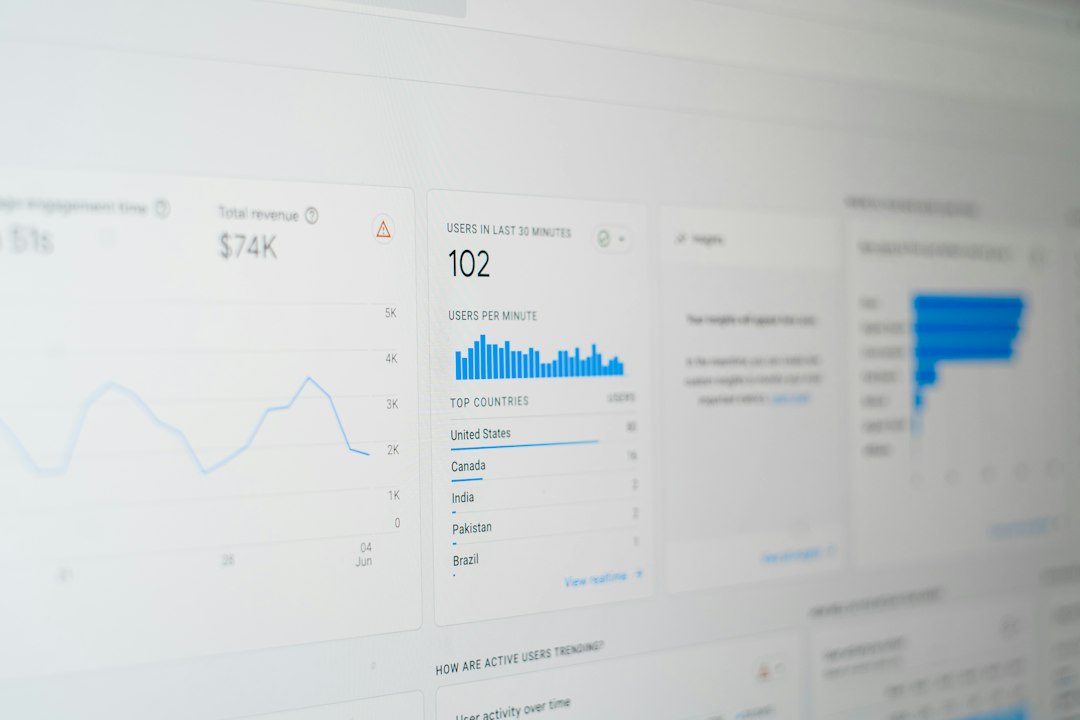
Pick AWS IoT Device Management for huge fleets, Azure IoT for Microsoft-heavy teams, and ThingsBoard for fast dashboards without losing your weekend. For remote device provisioning, health checks, and firmware updates, those three are the big names most teams compare first. AWS supports fleet indexing, secure tunneling, and jobs for fleet operations [source: AWS].
TLDR: If you manage 50,000 smart meters, AWS is strong for staged firmware rollouts and deep fleet control. Azure is great when your team already lives in Microsoft tools and wants device twins, alerts, and update groups. ThingsBoard is the easiest to understand if you want charts, alarms, and rule chains fast. Example: roll firmware to 2% of devices first, watch error rates for 30 minutes, then push to the next 20% if failures stay under 1%.
Table of Contents
Quick comparison table
- AWS IoT Device Management: Best for large fleets and strict controls.
- Azure IoT: Best for Microsoft shops and enterprise reporting.
- ThingsBoard: Best for dashboards, rules, and open source fans.
- BalenaCloud: Best for Linux edge devices and containers.
- Mender: Best for safe OTA firmware and rollback.
- Particle: Best for connected products with hardware included.
- Losant: Best for visual workflows and custom IoT apps.
1. AWS IoT Device Management
AWS is the power tool. It can provision devices, group them, search them, send commands, and run firmware jobs. It fits huge fleets. Think factories, smart cities, energy meters, and logistics trackers.
The best parts are fleet indexing, device jobs, and secure tunneling. You can update 100 devices first, then 10,000 later. That is how sane teams avoid turning a bad firmware file into a very expensive Tuesday.
The annoying part? The console can feel like a storage room with labels written by five different people. Expect to waste time clicking around before your first clean rollout.
2. Azure IoT
Azure IoT is great if your company already uses Microsoft. It works well with Azure IoT Hub, IoT Central, Device Update for IoT Hub, Defender for IoT, and Power BI.
Device provisioning is strong. Monitoring is clean. Firmware updates can be rolled out by device group. Microsoft says Device Update supports over the air updates for IoT devices through IoT Hub [source: Microsoft].
The catch is the naming soup. IoT Hub. IoT Central. Device Update. DPS. Twins. Modules. It all works, but new users may need a whiteboard and coffee.
3. ThingsBoard
ThingsBoard is the friendly dashboard builder. It handles device provisioning, telemetry, alarms, maps, dashboards, and rule chains. It has open source and paid versions.
It is great for teams that want to see device data fast. Temperature sensors, water pumps, air quality boxes, and solar inverters all fit well. You can create dashboards that normal people can read. That matters.
Firmware updates exist, but AWS and Azure feel stronger for very large rollout control. Still, ThingsBoard wins on speed. You can go from raw data to charts without a small army.

4. BalenaCloud
BalenaCloud is perfect for Linux edge boxes. If your device runs containers, Balena feels natural. Push a container update, and the fleet changes. Simple idea. Very useful.
It shines with Raspberry Pi, gateways, cameras, kiosks, and industrial edge devices. Monitoring is clear. Logs are easy to view. Remote access is handy when a box is sitting in a cold warehouse 600 miles away.
It is less ideal for tiny microcontrollers. Use it when your edge device is closer to a mini computer.
5. Mender
Mender is built for OTA updates. That is its main job, and it takes the job seriously. It supports robust update patterns, including rollback if an update fails. Mender documents A/B system updates for safer deployments [source: Mender].
This is a big deal. If a firmware update breaks boot, rollback can save the unit. No truck roll. No angry customer. No “please unplug it and plug it back in” call.
Honestly, it feels like Mender is less flashy than the big clouds. But it is calm, focused, and good at not bricking devices.
6. Particle
Particle is the easy button for product teams. It offers hardware, connectivity, device cloud tools, SIM options, and OTA updates. That makes it useful for startups and small teams.
You do not need to glue together ten services on day one. That is the charm. You can build a connected product, ship it, and update it remotely.
The tradeoff is control. If you want a very custom cloud setup, Particle may feel boxed in. If you want speed, it is lovely.
7. Losant
Losant is strong for visual workflows. It helps teams build IoT apps with dashboards, events, users, and logic flows. It is good when your IoT system needs business rules, not just device data.
For example, a cold chain company can track fridge sensors. If temperature rises above 8°C for 10 minutes, Losant can send a text, create a ticket, and mark the shipment as risky.
Firmware updates are not its main superpower. Use Losant when dashboards and app logic matter most.
Best picks by use case
- Huge fleet: AWS IoT Device Management.
- Microsoft company: Azure IoT.
- Fast dashboards: ThingsBoard.
- Linux edge devices: BalenaCloud.
- Safe OTA rollback: Mender.
- Connected product launch: Particle.
- Visual IoT apps: Losant.
Final recommendation
Start with your device type. Tiny sensor? Look at AWS, Azure, ThingsBoard, Particle, or Mender. Linux gateway? Check BalenaCloud and Mender. Need dashboards by Friday? Try ThingsBoard or Losant.
For most teams, the shortlist is simple. Choose AWS for scale. Choose Azure for Microsoft fit. Choose ThingsBoard for clear monitoring. Then test one firmware rollout on 10 devices before touching the whole fleet. Your future self will thank you.