
As global businesses expand across borders, the demand for accurate, consistent, and fast translation has grown exponentially. Managing multilingual content is no longer a simple handoff between a company and a freelance translator; it requires coordinated workflows, version control, terminology management, and real-time collaboration. This is where translation project management tools like Smartcat play a critical role, providing structured environments where translators, editors, and project managers can work together efficiently and transparently.
TLDR: Translation project management tools such as Smartcat streamline multilingual workflows by combining collaboration, automation, and linguistic resources in one platform. They reduce manual coordination, improve translation consistency, and provide real-time visibility into project progress. Features like translation memory, integrated payments, and centralized communication significantly increase efficiency. For teams handling high volumes of multilingual content, these platforms are no longer optional—they are strategic infrastructure.
Table of Contents
The Growing Complexity of Translation Projects
Modern translation projects involve far more than converting text from one language to another. Organizations must manage:
- Multiple languages and regional variants
- Distributed teams across time zones
- Consistent terminology across departments
- Ongoing content updates and revisions
- Strict deadlines and compliance requirements
Without a centralized system, teams often resort to email chains, spreadsheets, and disconnected file-sharing platforms. This fragmented approach increases the risk of errors, duplicated work, and missed deadlines. A professional translation management system (TMS) eliminates these inefficiencies by bringing structure and automation to the workflow.
What Are Translation Project Management Tools?
Translation project management tools are specialized platforms designed to coordinate every stage of the localization process. Unlike basic translation software, these systems integrate:
- Project tracking and task assignment
- Translation memory (TM)
- Glossary and terminology management
- Automated quality assurance checks
- Team communication features
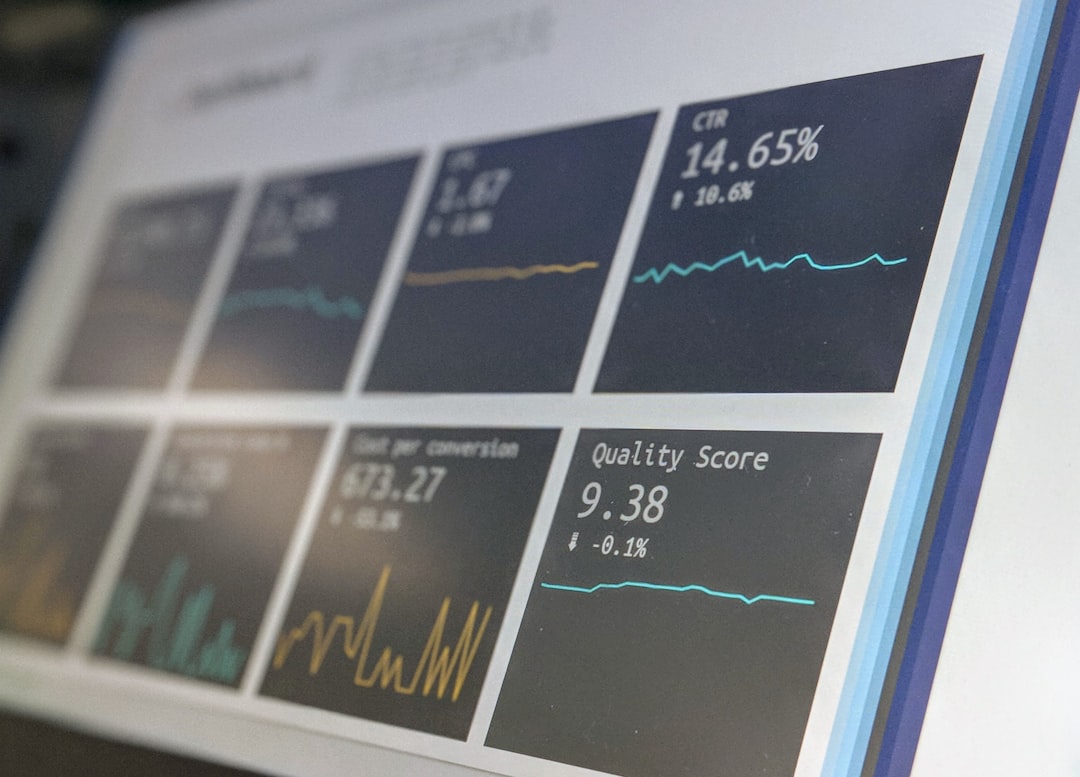
- Analytics and reporting dashboards
Smartcat is a prominent example of this model, combining project management and linguistic tools within a collaborative cloud-based environment. The result is a streamlined ecosystem that connects clients, project managers, translators, and reviewers on a single platform.
Core Features That Improve Collaboration
1. Centralized Workspace
A unified workspace ensures that all stakeholders are working on the latest version of a file. Version control is automatic, reducing confusion and eliminating the need for manual file tracking. Team members can view progress in real time, which significantly enhances accountability.
2. Translation Memory and Glossaries
Translation memory stores previously translated segments and automatically suggests them when similar content appears. This improves:
- Consistency across documents
- Translation speed
- Cost efficiency by reducing repeated work
Glossaries enforce approved terminology, which is especially critical in technical, legal, and medical fields where precision is non-negotiable.
3. Automated Workflows
Many platforms allow managers to create predefined workflows that automatically assign tasks to translators, editors, and proofreaders. This eliminates repetitive administrative work and reduces delays caused by manual coordination.
4. Real-Time Collaboration and Commenting
Embedded commenting systems allow translators and reviewers to ask questions directly within the text. This immediate feedback loop reduces misunderstandings and speeds up approvals compared to email-based communication.
5. Integrated Payments and Vendor Management
Some tools, including Smartcat, incorporate payment automation and contractor management features. This simplifies administrative tasks for organizations working with multiple freelance linguists across countries.

Comparison of Popular Translation Project Management Tools
For organizations evaluating solutions, it is important to compare functionality, scalability, and collaboration capabilities. The table below provides a high-level comparison of several widely used tools.
| Feature | Smartcat | Memsource Phrase | Trados Studio | Crowdin |
|---|---|---|---|---|
| Cloud Based Collaboration | Yes | Yes | Limited Cloud Options | Yes |
| Translation Memory | Integrated | Integrated | Advanced | Integrated |
| Glossary Management | Yes | Yes | Yes | Yes |
| Automated Workflows | Yes | Yes | Partial | Yes |
| Freelancer Marketplace | Built In | No | No | No |
| Integrated Payments | Yes | No | No | No |
While each platform offers valuable capabilities, Smartcat distinguishes itself through its integrated marketplace and payment system. This can significantly reduce procurement friction when assembling multilingual teams quickly.
Efficiency Gains for Different Stakeholders
For Project Managers
Project managers benefit from:
- Clear project timelines and milestones
- Automated task distribution
- Real-time progress tracking
- Centralized communication logs
This visibility reduces the risk of bottlenecks and enables proactive issue resolution.
For Translators and Editors
Linguists work within structured interfaces that provide:
- Contextual previews
- Instant terminology access
- Automated QA alerts
- Collaborative discussion threads
By removing administrative distractions, translators can focus on linguistic quality.
For Business Leaders
From a strategic perspective, translation management tools offer measurable ROI through:
- Faster time to market in new regions
- Reduced duplication of translation work
- Better brand consistency across languages
- Enhanced regulatory compliance
Data-driven reporting allows executives to track cost per word, turnaround times, and vendor performance.
Scalability and Enterprise Integration
Enterprise organizations require systems that connect seamlessly with existing infrastructure. Many tools integrate via API with:
- Content management systems (CMS)
- E-commerce platforms
- Marketing automation tools
- Product information management systems (PIM)
- Software development repositories
These integrations enable automated content syncing, eliminating manual uploads and downloads. When new website content is published, it can automatically enter the translation pipeline.
Risk Mitigation and Quality Assurance
Translation errors can result in reputational damage, legal complications, or compliance violations. Modern platforms include automated quality assurance checks that flag:
- Numeric inconsistencies
- Terminology deviations
- Missing translations
- Formatting discrepancies
These safeguards create an additional layer of protection before final delivery. Combined with human review workflows, they significantly reduce the likelihood of costly errors.
Security and Data Protection
Confidential content, particularly in legal, financial, and healthcare sectors, must be handled securely. Reputable translation project management tools implement:
- Encrypted data storage
- Secure file transfer protocols
- Role-based access permissions
- Compliance with international data protection standards
This controlled environment is considerably safer than distributing sensitive files via unsecured email attachments.
The Future of Collaborative Translation
The translation industry is increasingly influenced by artificial intelligence and machine translation. Many platforms now incorporate AI-powered suggestions that accelerate initial drafts, which human translators then refine. The combination of machine efficiency and human expertise results in:
- Shorter turnaround times
- Improved consistency across large datasets
- Reduced costs for repetitive content
However, effective project management remains essential. Technology alone cannot replace structured oversight and linguistic judgment. Tools like Smartcat succeed because they integrate AI assistance within a controlled collaborative framework rather than treating automation as a standalone solution.
Conclusion
In an increasingly interconnected market, multilingual communication is a strategic imperative. Translation project management tools such as Smartcat provide the infrastructure necessary to handle growing linguistic complexity with precision and efficiency. By centralizing workflows, automating repetitive tasks, and enabling real-time collaboration, these platforms transform translation from a fragmented process into a streamlined operation.
For organizations seeking faster global expansion, improved brand consistency, and strong quality control, investing in a comprehensive translation management system is not merely a technical upgrade—it is a foundational business decision. As digital content continues to expand, the ability to collaborate efficiently across languages will define competitive advantage in the international marketplace.