
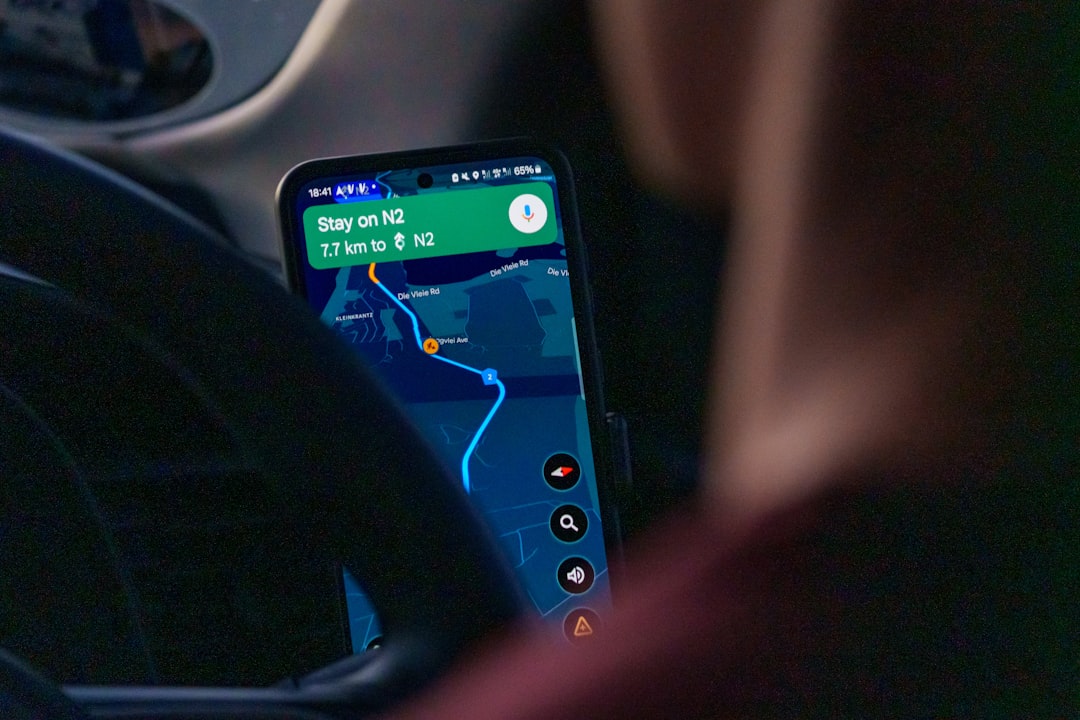
In today’s fast-moving transportation and logistics landscape, having real-time insight into your fleet is no longer a luxury—it’s a necessity. Telematics fleet tracking tools combine GPS technology, onboard diagnostics, and cloud-based software to give businesses unprecedented visibility into their vehicles, drivers, and overall operations. Whether you manage five vans or five hundred trucks, these systems can transform how you monitor, analyze, and optimize your fleet performance.
TLDR: Telematics fleet tracking tools provide real-time visibility into vehicle location, driver behavior, fuel usage, and maintenance needs. They help businesses improve efficiency, reduce costs, and enhance safety through actionable data and analytics. By choosing the right platform and leveraging key features like GPS tracking, driver scorecards, and predictive maintenance, fleet managers can significantly boost operational visibility and control.
Operational visibility means knowing exactly what’s happening across your fleet at any given time—and having the data to make informed decisions quickly. With the right telematics tools, you can reduce downtime, improve route efficiency, enforce compliance, and enhance customer satisfaction.
Table of Contents
What Are Telematics Fleet Tracking Tools?
Telematics fleet tracking tools are systems that collect and transmit vehicle data using a combination of GPS tracking, onboard diagnostics (OBD), sensors, and wireless networks. This information is processed in cloud-based software platforms, where fleet managers can view dashboards, run reports, and set alerts.
These tools typically track:
- Real-time vehicle location
- Speed and driver behavior
- Fuel consumption
- Engine diagnostics and fault codes
- Idle time and stop duration
- Maintenance schedules
The result is a centralized command center that improves visibility and accountability across the fleet.
Why Operational Visibility Matters
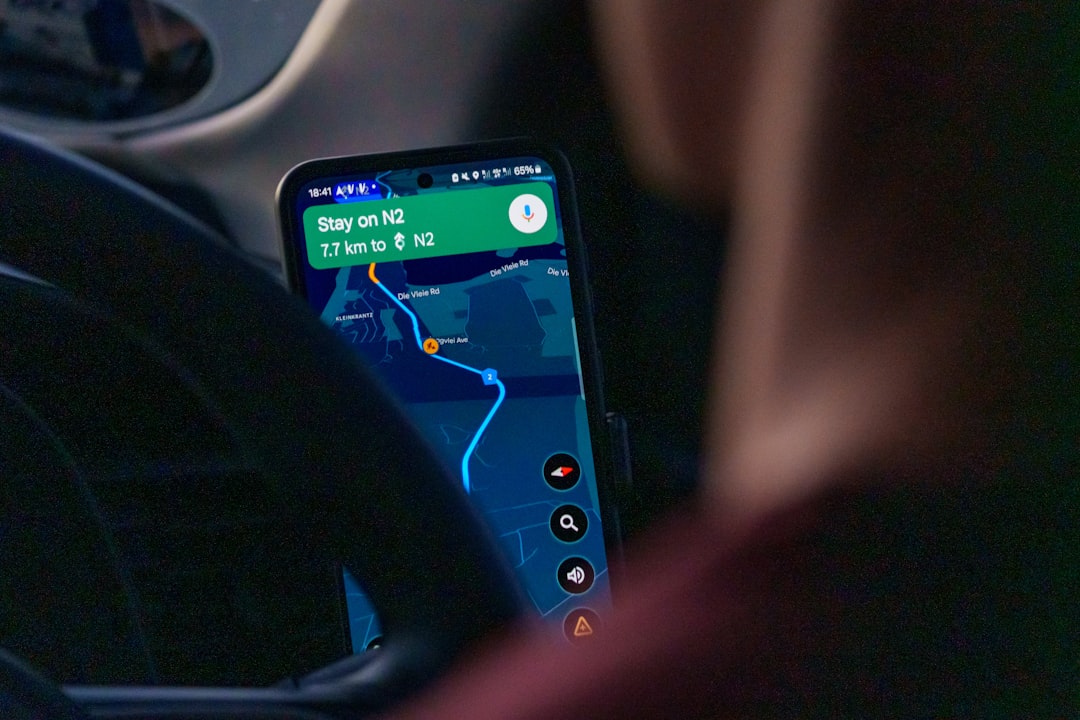
Operational visibility refers to your ability to monitor, measure, and manage activities in real time. In fleet management, limited visibility can lead to:
- Unnecessary fuel expenses
- Late deliveries
- Increased accident risk
- Vehicle downtime
- Compliance violations
Telematics bridges the gap between uncertainty and clarity. Instead of reacting to problems after they occur, managers can proactively address issues using real-time data and predictive analytics.
Key Features That Improve Visibility
1. Real-Time GPS Tracking
Real-time GPS tracking provides up-to-the-minute location data for every vehicle in your fleet. Managers can:
- Monitor route adherence
- Respond to delays immediately
- Provide customers with accurate ETAs
- Prevent unauthorized vehicle use
This level of transparency ensures both managers and clients stay informed.
2. Driver Behavior Monitoring
Unsafe driving habits increase fuel consumption, accident risk, and maintenance costs. Telematics tools track behaviors such as:
- Harsh braking
- Rapid acceleration
- Excessive speeding
- Sharp cornering
- Seatbelt usage
Many systems generate driver scorecards, allowing managers to coach drivers effectively and reward safe performance.
3. Fuel Management
Fuel is one of the largest expenses for fleet operations. Telematics helps reduce fuel waste by identifying:
- Excessive idling
- Inefficient routes
- Fuel theft or misuse
- Poor driving habits
By analyzing fuel data, companies can significantly cut operational costs while lowering emissions.
4. Predictive Maintenance and Diagnostics
Instead of relying solely on fixed maintenance schedules, telematics systems can detect engine fault codes and performance anomalies in real time.
Benefits include:
- Reduced vehicle downtime
- Lower repair costs
- Extended vehicle lifespan
- Improved roadside safety
Proactive alerts help schedule maintenance before minor issues become major breakdowns.
Image not found in postmetaPopular Telematics Fleet Tracking Tools
Several leading platforms offer comprehensive telematics solutions. Below are five well-known tools that help improve operational visibility:
- Geotab
- Samsara
- Verizon Connect
- Fleet Complete
- Motive
Comparison Chart
| Tool | Real-Time GPS | Driver Monitoring | Fuel Tracking | Maintenance Alerts | Best For |
|---|---|---|---|---|---|
| Geotab | Yes | Advanced analytics | Yes | Predictive | Data-driven fleets |
| Samsara | Yes | AI dashcams | Yes | Real-time alerts | Safety-focused fleets |
| Verizon Connect | Yes | Driver scorecards | Yes | Scheduled + alerts | Scalable enterprises |
| Fleet Complete | Yes | Behavior insights | Basic tracking | Maintenance reminders | Small to mid fleets |
| Motive | Yes | AI video safety | Yes | Automated diagnostics | Compliance heavy fleets |
Each tool offers varying degrees of customization and integrations, but all share the core purpose of enhancing fleet transparency and operational intelligence.
How Telematics Improves Decision-Making
Beyond tracking vehicles, telematics helps managers make data-driven decisions. Instead of relying on manual reports or assumptions, managers can analyze trends such as:
- Which routes consistently cause delays
- Which drivers consume the most fuel
- Which vehicles require frequent repairs
- Peak operating hours
Access to this information supports smarter scheduling, better route planning, and more accurate budgeting.
Enhancing Customer Satisfaction
Operational visibility doesn’t just benefit internal teams—it directly impacts customers. With telematics tools, companies can:
- Provide accurate delivery time windows
- Send real-time tracking links
- Quickly address service disruptions
- Improve on-time delivery rates
When customers receive timely and transparent updates, trust in your service increases. In competitive industries, this can be a decisive advantage.
Compliance and Regulatory Support
For fleets operating under strict regulations, telematics systems simplify compliance. Many platforms integrate electronic logging devices and automatic reporting features.
These tools help with:
- Hours of service tracking
- Electronic driver logs
- Inspection documentation
- Audit-ready reporting
By automating record-keeping, fleets reduce the risk of penalties and improve audit readiness.
Implementing Telematics Successfully
Adopting telematics technology requires more than just installing hardware. For maximum benefit, businesses should:
- Define clear goals – Identify whether your primary objective is safety, fuel savings, compliance, or all of the above.
- Train drivers and staff – Transparency about monitoring builds trust and encourages adoption.
- Set measurable KPIs – Use benchmarks for fuel consumption, idle time, and safety scores.
- Continuously analyze data – Regular review sessions help turn insights into actionable improvements.
When properly implemented, telematics becomes a strategic asset rather than just a tracking tool.
The Future of Fleet Visibility
The future of telematics lies in artificial intelligence, machine learning, and vehicle connectivity. Emerging technologies are enabling:
- Predictive route optimization based on traffic patterns
- Automated incident detection
- Integrated supply chain visibility
- Electric vehicle performance analytics
As vehicles become smarter and more connected, fleet managers will gain deeper insights and more control over their operations.
Final Thoughts
Telematics fleet tracking tools have evolved into comprehensive operational intelligence platforms. They provide real-time data, predictive insights, and performance analytics that empower organizations to operate more efficiently and safely.
By improving visibility across routes, driver behavior, maintenance needs, and fuel usage, these systems help transform reactive management into proactive leadership. In an industry where margins are tight and expectations are high, telematics technology offers a powerful way to stay competitive, compliant, and customer-focused.
Investing in the right telematics solution isn’t just about knowing where your vehicles are—it’s about understanding how your entire operation performs and discovering new opportunities for improvement every day.