

Modern airports operate within an environment where seconds matter, margins are tight, and safety is non-negotiable. With thousands of passengers, hundreds of aircraft movements, and complex logistics occurring simultaneously, ground operations must function with precision. Airport ground handling systems play a decisive role in ensuring that aircraft turnaround times remain short, resources are optimally allocated, and safety standards are upheld.
TLDR: Airport ground handling systems are essential for keeping operations efficient, safe, and on schedule. Three of the most impactful systems include automated baggage handling systems, advanced ground support equipment management platforms, and digital turnaround management systems. Together, they reduce delays, improve coordination, and enhance overall airport performance. Investing in these systems leads to measurable gains in speed, safety, and cost control.
Below are three critical airport ground handling systems that significantly streamline airport operations.
Table of Contents
1. Automated Baggage Handling Systems (BHS)
Few areas of airport operations are as visible to passengers—and as operationally intensive—as baggage handling. An Automated Baggage Handling System (BHS) is a network of conveyors, scanners, diverters, and sortation systems designed to transport checked luggage efficiently from check-in counters to aircraft and from aircraft to baggage claim.

How It Works
The system incorporates:
- Barcode or RFID scanners to track each bag in real time
- High-speed conveyors that move luggage across long distances
- Automated sorters and diverters to route bags to correct gates
- Integrated security screening systems for threat detection
Bags are scanned multiple times during their journey, ensuring accurate routing and reducing the risk of mishandling.
Operational Benefits
- Reduced mishandled baggage: Real-time tracking minimizes sorting errors.
- Faster aircraft turnaround: Efficient loading processes prevent ground delays.
- Improved passenger satisfaction: Timely baggage delivery enhances overall airport experience.
- Regulatory compliance: Integrated screening meets security standards efficiently.
Manual handling systems increase the likelihood of delays, injuries, and errors. Automation introduces consistency and scalability, enabling airports to handle seasonal spikes and long-term growth without compromising efficiency.
As air passenger numbers continue to rise globally, an intelligent BHS is no longer a luxury—it is foundational infrastructure.
2. Ground Support Equipment (GSE) Management Systems
Ground Support Equipment (GSE) includes aircraft tugs, belt loaders, catering trucks, ground power units, fuel trucks, and air conditioning units. Coordinating these assets manually in a busy airport environment can quickly become chaotic. GSE Management Systems use digital tracking, telematics, and scheduling tools to optimize equipment utilization and reduce downtime.

Core Components
- GPS tracking and telematics for real-time equipment visibility
- Preventive maintenance alerts based on usage data
- Automated dispatch systems for resource allocation
- Fuel consumption monitoring and sustainability reporting
Why It Matters
Aircraft turnaround requires precise timing. If a belt loader or catering truck arrives late, the delay can ripple through the entire day’s flight schedule. GSE management systems provide operational transparency, allowing ground supervisors to:
- Assign the nearest available equipment
- Avoid asset overuse or idling
- Predict maintenance failures before breakdowns occur
- Optimize fleet size and reduce capital expenditures
Sustainability and Cost Control
Modern systems also assist airports transitioning to electric or hybrid ground fleets. By monitoring energy usage and idle time, airports can reduce fuel costs and lower carbon emissions.
The result is a more disciplined and data-driven apron environment—one where resources are allocated precisely and safely.
3. Digital Aircraft Turnaround Management Systems
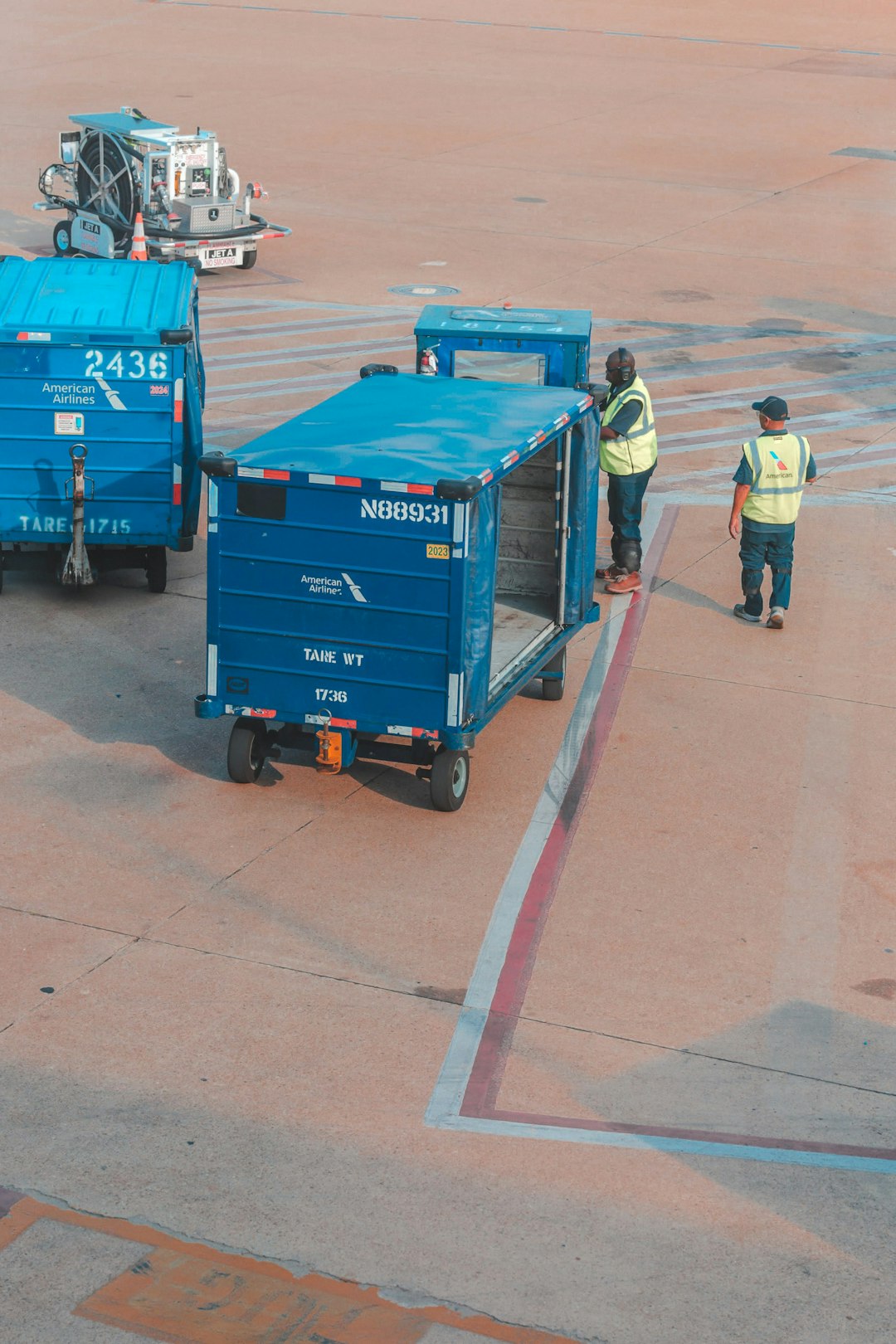
Aircraft turnaround is one of the most time-sensitive processes in aviation. It encompasses passenger disembarkation, cleaning, refueling, catering, baggage unloading and loading, boarding, and final safety checks. Digital Turnaround Management Systems synchronize these activities in real time.
Integrated Workflow Coordination
Traditionally, turnaround tasks were managed through radio communication and paper-based checklists. Digital systems replace this with:
- Mobile devices for ground crews
- Real-time status dashboards
- Automated alerts for delays or bottlenecks
- Centralized communication platforms
Each team updates its status via mobile apps, providing instant visibility to airport operations control centers.
Tangible Benefits
- Reduced turnaround time: Tasks are sequenced and monitored efficiently.
- Improved on-time performance: Early detection of delays allows quick intervention.
- Enhanced accountability: Clear tracking of responsibilities reduces confusion.
- Higher safety compliance: Digitized checklists minimize oversight.
With average turnaround times often targeted at 30 to 60 minutes for narrow-body aircraft, even a five-minute reduction can generate significant cost savings annually for airlines and airports.
Comparison of the Three Systems
The table below highlights how these systems differ in scope and operational impact:
| System | Primary Focus | Main Operational Benefit | Key Technology | Impact on Turnaround |
|---|---|---|---|---|
| Automated Baggage Handling System | Baggage transport and sorting | Reduced mishandling and faster loading | Barcode scanners, RFID, conveyor automation | High – Speeds baggage processing |
| GSE Management System | Ground vehicle coordination | Better resource utilization and cost control | GPS tracking, telematics, scheduling software | Moderate to High – Avoids equipment delays |
| Turnaround Management System | Workflow coordination | Improved on-time performance | Mobile apps, dashboards, real-time analytics | Critical – Direct turnaround optimization |
How These Systems Work Together
While each system independently improves efficiency, their real power lies in integration. Modern airport ecosystems increasingly rely on interconnected platforms that share operational data.
- The Turnaround Management System can detect a delayed catering truck and immediately notify operations control.
- The GSE Management System can reassign a nearby vehicle to prevent further delay.
- The Baggage Handling System ensures luggage reaches the aircraft without disruption.
This integrated approach transforms ground handling from reactive problem-solving into proactive operational control. Airports become more predictable, less vulnerable to cascading delays, and better equipped to serve airlines operating on tight schedules.
Risk Reduction and Safety Improvements
Airport aprons are high-risk environments, with heavy equipment operating near personnel and aircraft. Technology-driven systems enhance safety standards by:
- Minimizing manual intervention
- Providing automated warnings and alerts
- Reducing equipment congestion on the apron
- Maintaining comprehensive digital audit trails
Automated logs and performance tracking also support regulatory compliance, insurance reporting, and incident analysis. In an industry where safety incidents carry severe financial and reputational consequences, these systems provide indispensable safeguards.
Financial and Strategic Impact
Investments in ground handling systems are substantial, but returns are equally significant. Benefits typically include:
- Lower operating costs: Optimized labor and equipment allocation
- Increased aircraft throughput: More flights handled per gate per day
- Higher airline satisfaction: Improved reliability attracts carriers
- Scalable infrastructure: Preparedness for traffic growth
For major international hubs, even marginal efficiency gains can equate to millions of dollars in annual revenue improvements. More importantly, streamlined operations strengthen competitive positioning in an increasingly global aviation market.
Conclusion
Airport operations demand a level of coordination comparable to advanced industrial manufacturing—only with higher stakes and tighter timelines. Automated Baggage Handling Systems, GSE Management Systems, and Digital Turnaround Management Systems form the backbone of efficient ground handling.
Individually, each system addresses a specific operational challenge. Collectively, they create a synchronized environment where assets, personnel, and aircraft operate in harmony. Airports that adopt and integrate these technologies position themselves for sustainable growth, operational resilience, and superior service delivery.
In a sector where minutes influence profitability and reliability defines reputation, these ground handling systems are not simply operational tools—they are strategic enablers of modern aviation excellence.