
Understanding how animals move across landscapes is central to modern conservation, ecology, and wildlife management. From migratory birds that cross continents to predators that patrol fragmented habitats, movement data reveals how species respond to climate change, human development, and shifting ecosystems. Today’s wildlife tracking tools provide researchers with unprecedented precision, generating datasets that were unimaginable just a decade ago.
TLDR: Wildlife tracking technologies have evolved from simple radio collars to advanced GPS, satellite, drone, and AI-driven systems. These tools allow researchers to analyze migration, habitat use, behavior, and environmental responses with remarkable accuracy. Each tracking method has unique strengths, limitations, and data resolution levels. Choosing the right tool depends on the species, terrain, budget, and research objective.
Below are eight of the most effective and widely used wildlife tracking tools that help scientists analyze movement patterns with credibility and precision.
Table of Contents
1. GPS Collars
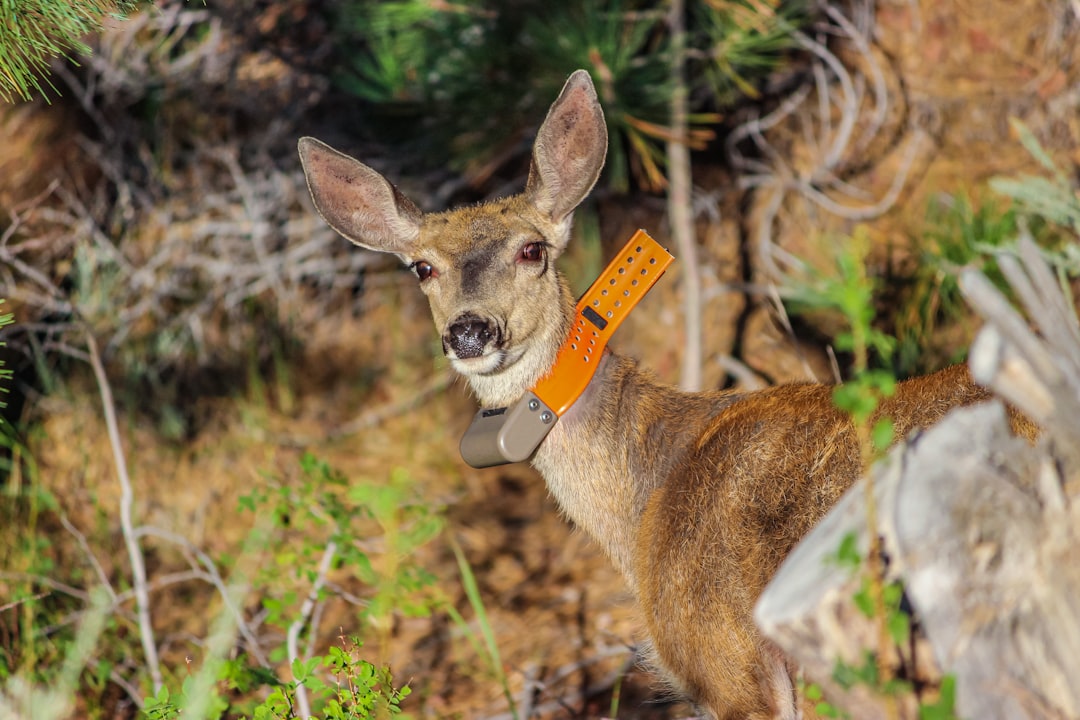
Global Positioning System (GPS) collars are among the most widely adopted wildlife tracking tools. They use satellite signals to record precise geographic coordinates at predefined time intervals.
Researchers favor GPS collars because they:
- Provide high spatial accuracy (often within meters)
- Allow programmable data collection intervals
- Store or transmit data remotely
- Operate in diverse environments
Modern GPS collars often include accelerometers, temperature sensors, and mortality sensors. This multi-sensor capability enables behavioral insights beyond simple location tracking, such as identifying feeding, resting, or hunting events.
However, GPS collars can be costly and require physically capturing animals, which introduces stress and logistical complexity. Battery life also limits long-term deployments, although solar-assisted models have improved sustainability.
2. VHF Radio Telemetry
Very High Frequency (VHF) radio telemetry is one of the oldest wildlife tracking technologies still in use. Animals wear transmitters that emit radio signals, which researchers track using handheld antennas and receivers.
Why it remains relevant:
- Lower cost compared to GPS solutions
- Lightweight transmitters for small species
- Proven reliability in dense vegetation
- Long battery life
The limitation of VHF systems is labor intensity. Field researchers must physically triangulate signals, making large-scale data collection time-consuming. Nonetheless, VHF remains essential for small mammals, reptiles, and birds where weight constraints prevent using heavier GPS units.
3. Satellite Tracking Systems
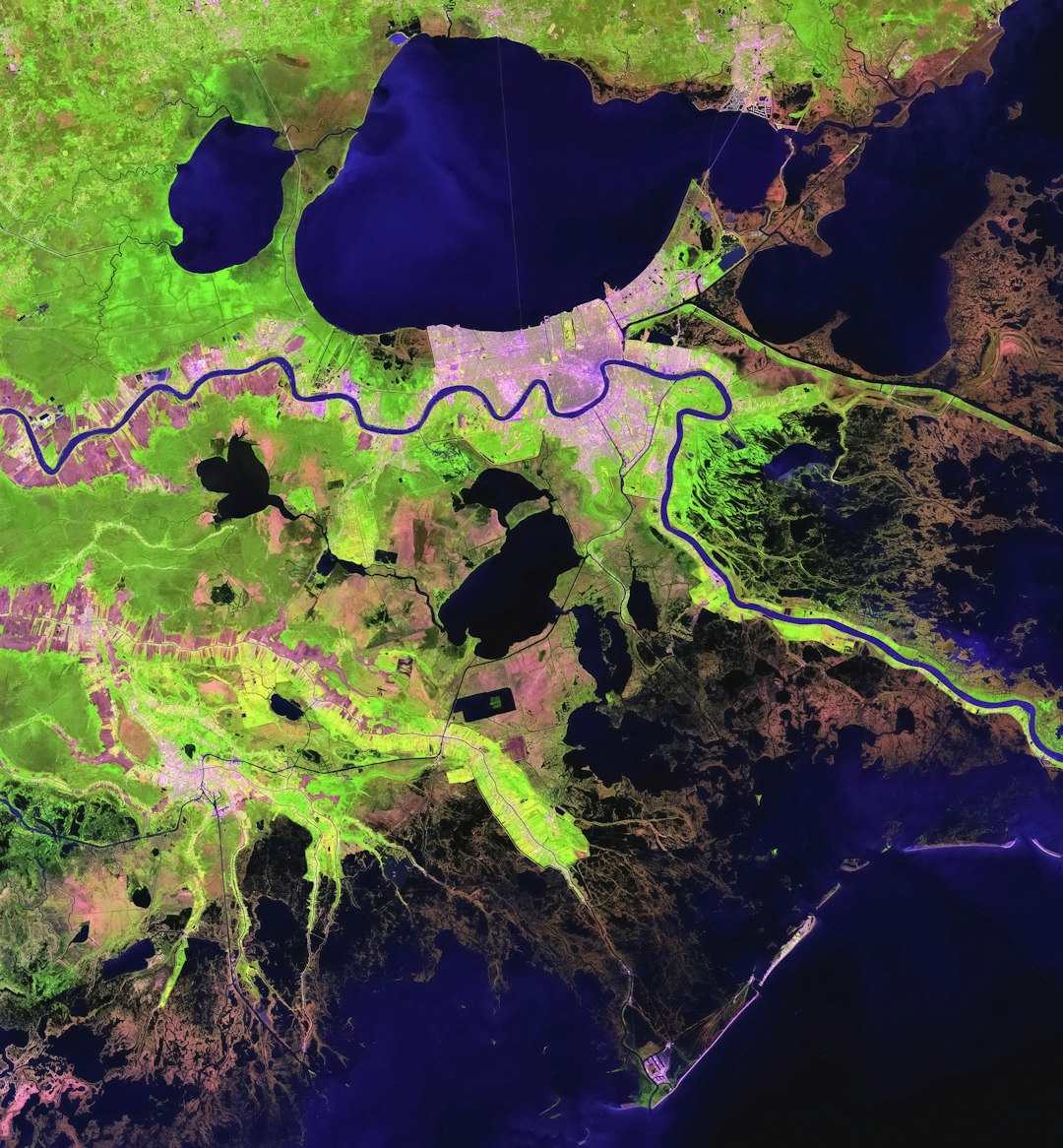
Satellite tracking, often using systems like Argos, enables monitoring of animals that travel across vast and remote areas, including oceans and polar regions.
Unlike GPS-only collars that store data onboard, satellite tags transmit data directly to orbiting satellites. This allows real-time or near real-time monitoring without recovering the device.
Satellite systems are especially valuable for:
- Marine species such as sea turtles and whales
- Migratory birds flying across continents
- Arctic mammals in inaccessible regions
Drawbacks include higher costs and slightly lower spatial resolution compared to high-end GPS units. Still, for global-scale movement studies, satellite tracking remains indispensable.
4. Biologging Devices
Biologgers go beyond positional data by collecting physiological and behavioral information. These devices may record:
- Heart rate
- Body temperature
- Dive depth
- Acceleration
- Magnetic orientation
When movement data is combined with physiological metrics, researchers gain insights into energy expenditure, stress responses, and activity cycles. For example, accelerometer data can distinguish between walking, running, foraging, or resting behaviors.
This integrated perspective helps conservationists understand not just where an animal moves, but why.
5. Camera Traps with AI Recognition
Camera traps have evolved significantly with the integration of artificial intelligence image recognition. These motion-triggered cameras capture wildlife presence without requiring physical capture.
Modern systems can:
- Automatically identify species using AI models
- Estimate population density
- Track individual coat patterns
- Analyze activity patterns over time
Though camera traps do not provide continuous track lines like GPS units, they offer valuable spatial and temporal insights. When strategically placed along corridors or water sources, they reveal movement patterns across landscapes.

This tool is particularly effective in studying elusive carnivores and nocturnal species.
6. Drones with Thermal Imaging
Unmanned aerial vehicles (UAVs), commonly known as drones, are transforming wildlife tracking. Equipped with high-resolution or thermal cameras, drones can survey large areas quickly.
Advantages include:
- Rapid habitat coverage
- Detection of animals hidden in vegetation
- Reduced need for ground disturbance
- High-resolution spatial mapping
Thermal drones are especially useful for tracking mammals at night or in dense forests. By detecting body heat signatures, researchers can estimate movement paths and population distribution patterns.
However, flight time, weather conditions, and regulatory constraints can limit drone operations.
7. Acoustic Telemetry
Acoustic telemetry is widely used in aquatic ecosystems. Animals are fitted with acoustic transmitters that emit sound pulses detected by underwater receiver arrays.
This system is ideal for:
- Fish migration tracking
- Monitoring reef species
- Studying riverine movement corridors
- Evaluating habitat restoration impact
When animals swim past receiver stations, their unique acoustic signature is logged. By analyzing timestamps and receiver locations, researchers reconstruct migration routes and habitat use patterns.
Acoustic tracking has been instrumental in understanding salmon migration, shark behavior, and estuarine fish connectivity.
8. Geolocators (Light-Level Loggers)
Geolocators, also known as light-level loggers, estimate location based on sunrise and sunset timing. They are extremely lightweight, making them ideal for small migratory birds.
Although less precise than GPS systems, geolocators have two major advantages:
- Minimal weight (often under 1 gram)
- Long operational lifespan
The primary limitation is that animals must be recaptured to retrieve stored data. Even so, geolocators have revolutionized the understanding of long-distance bird migration.
Comparison Chart of Wildlife Tracking Tools
| Tool | Best For | Accuracy | Real-Time Data | Cost Level |
|---|---|---|---|---|
| GPS Collars | Large terrestrial mammals | Very High | Yes | High |
| VHF Telemetry | Small mammals, reptiles | Moderate | No | Low to Moderate |
| Satellite Tags | Marine and migratory species | High | Yes | Very High |
| Biologgers | Behavioral studies | High | Sometimes | High |
| Camera Traps | Elusive terrestrial animals | Location Specific | No | Moderate |
| Drones | Habitat surveys | High (visual) | Yes | Moderate to High |
| Acoustic Telemetry | Aquatic species | High (within array) | Yes | High |
| Geolocators | Small migratory birds | Moderate | No | Low |
Choosing the Right Tool
Selecting an appropriate wildlife tracking method depends on several variables:
- Species size and physiology
- Research goals (migration, habitat selection, behavior)
- Geographic scale
- Budget constraints
- Ethical and welfare considerations
For instance, tracking wolf pack territory expansion may require GPS collars, while studying coral reef fish connectivity demands acoustic telemetry. In many modern studies, researchers combine multiple tools to create layered datasets that improve analytical accuracy.
The Role of Data Analytics
Tracking tools alone do not generate insights. The real analytical power comes from integrating movement data with Geographic Information Systems (GIS), machine learning algorithms, and environmental datasets.
Advanced modeling techniques allow scientists to:
- Predict migration corridors
- Identify habitat fragmentation risk
- Assess climate change impacts
- Design wildlife corridors and protected areas
These data-driven insights inform policymakers, conservation organizations, and land managers, ensuring research directly benefits biodiversity protection.
Conclusion
Wildlife tracking technologies have matured into sophisticated systems that provide detailed, actionable insights into animal movement patterns. Whether through satellite-enabled GPS collars, underwater acoustic arrays, AI-powered camera traps, or lightweight geolocators, researchers now possess tools capable of monitoring wildlife with extraordinary precision.
Each method carries strengths and limitations, but collectively, they form a comprehensive toolkit for understanding how animals interact with their environments. As climate pressures and habitat fragmentation intensify, these tools will play an increasingly critical role in guiding responsible conservation decisions. The future of wildlife research rests not only on gathering movement data, but on deploying the right technology in the right ecological context.