
Hospitality is the business of making people feel welcome. That sounds warm and fluffy. But it can also be a smart way to make money. People travel, eat, celebrate, relax, and look for comfort every day. If you enjoy serving others and creating good experiences, the hospitality world has many doors to open.
TLDR: Hospitality businesses can include food trucks, boutique hotels, event planning, vacation rentals, cafés, catering, and wellness retreats. The best choice depends on your budget, skills, location, and lifestyle goals. Start small if you can. Pick a business that matches what customers near you already want.
Table of Contents
Why Hospitality Is So Popular
Hospitality is fun because it is personal. You are not just selling a room, a meal, or a service. You are selling a feeling. A guest wants to feel cared for. A diner wants to feel satisfied. A traveler wants to feel safe and relaxed.
That is why small businesses can win in this space. You do not always need to be huge. You need to be memorable. A friendly smile, a clean space, and one clever idea can go a long way.
But hospitality can also be busy. Very busy. There are late nights, weekend work, and picky customers. So before you jump in, it helps to know your options.
1. Café or Coffee Shop
A café is a classic choice. People love coffee. They also love pastries, cozy chairs, and free Wi Fi. A café can become a local hangout. It can also become a brand people feel loyal to.
Best for: Entrepreneurs who enjoy community, design, and daily customer contact.
Watch out for: Rent, food waste, staffing, and long hours. Coffee is popular, but margins can be tight.
Fun idea: Build your café around a theme. Books, plants, board games, pets, or local art can make it stand out.
2. Food Truck
A food truck is like a restaurant on wheels. It is smaller, faster, and often cheaper to start than a full restaurant. You can move to where the hungry people are. Festivals, office parks, markets, and college areas can all be great spots.
Best for: Cooks with a bold food idea and lots of energy.
Watch out for: Permits, parking rules, weather, and truck repairs. A broken truck means no kitchen for the day.
Simple menus work best. Think tacos, grilled cheese, noodles, burgers, crepes, or one amazing dessert. Do one thing very well. Then let people talk about it.
3. Boutique Hotel or Guesthouse
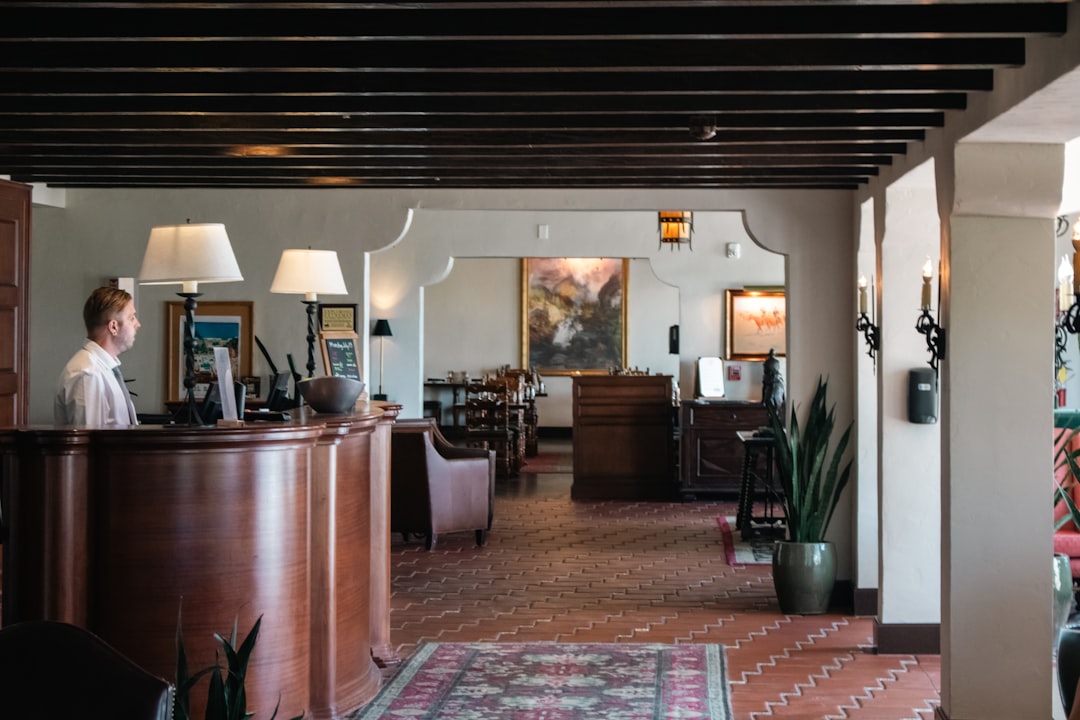
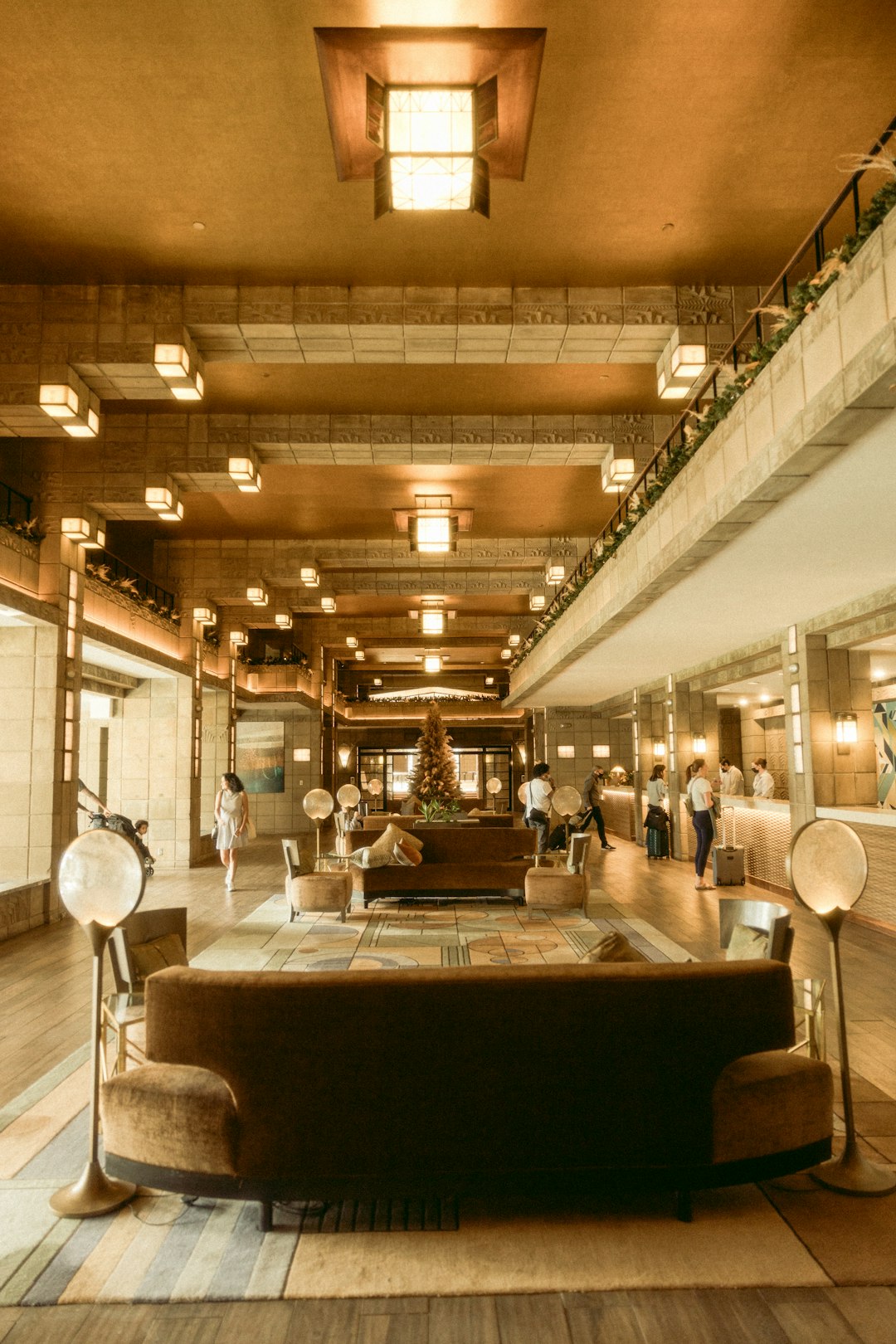
A boutique hotel is smaller than a big hotel chain. It has personality. It may have local art, themed rooms, or extra personal service. A guesthouse or bed and breakfast can offer a similar feel, often with fewer rooms.
Best for: People who love hosting and have access to a great property.
Watch out for: Cleaning, maintenance, booking platforms, local rules, and guest reviews.
This business is all about details. Fresh sheets matter. Nice smells matter. Fast replies matter. Tiny chocolates on pillows? Still cute. Still works.
4. Vacation Rental Business
Vacation rentals are popular with travelers who want more space. Families may want a kitchen. Remote workers may want a desk. Couples may want a quiet cabin. You can rent out one property or manage many for other owners.
Best for: Organized people who like property, tech tools, and guest communication.
Watch out for: Local rental laws, cleaning teams, damage, seasonality, and competition.
Photos are very important here. So is the first message you send. Guests want to feel sure they made the right choice.

5. Catering Company
Catering means bringing food to events. Weddings, office lunches, birthday parties, and school events all need food. Some clients want fancy meals. Others just want tasty trays delivered on time.
Best for: Strong planners who can cook under pressure.
Watch out for: Food safety, delivery timing, staffing, and last minute changes.
Catering can be a great business because you often know your order size in advance. That helps with planning. It also reduces waste. But events can be stressful. If the bride wants gluten free cupcakes at 7 p.m., you need a plan.
6. Event Planning
Event planners turn chaos into confetti. They organize weddings, parties, corporate events, retreats, and product launches. They find vendors, manage budgets, and keep the schedule moving.
Best for: Calm people who love lists, calls, timelines, and solving problems.
Watch out for: Stress, weekend work, demanding clients, and vendor mistakes.
This is a good option if you do not want to own a building or kitchen. Your main tools are your phone, your network, and your brain. A stylish notebook helps too. It makes you look powerful.
7. Restaurant or Small Eatery
Restaurants are exciting. They are also hard. Many entrepreneurs dream of opening one because food feels creative and social. A small eatery can be more manageable than a large restaurant. Think ramen bar, salad shop, pizza counter, or brunch spot.
Best for: Experienced food lovers who understand operations.
Watch out for: High startup costs, thin profit margins, staff turnover, and daily pressure.
Before starting, test your food. Try pop ups. Sell at markets. Offer small private dinners. Let real people give feedback before you sign a big lease.
8. Tour or Local Experience Business
Travelers do not just want to see places. They want stories. A tour business can offer walking tours, food tours, bike tours, history tours, nature hikes, or craft workshops.
Best for: Friendly storytellers who know their area well.
Watch out for: Weather, safety, insurance, permits, and online reviews.
This can be a low cost way to enter hospitality. You may not need much equipment. You do need charm. Lots of charm. A good guide can make an old brick wall sound thrilling.
9. Spa or Wellness Retreat
Wellness is growing fast. People are tired. Very tired. They want massages, yoga, meditation, healthy food, hot tubs, and quiet places with no email alerts.
Best for: Entrepreneurs who care about health, calm spaces, and premium service.
Watch out for: Licensing, trained staff, safety rules, and high guest expectations.
A full retreat may cost a lot to start. But you can begin smaller. Try weekend wellness events, mobile massage, yoga brunches, or day retreats.

10. Cleaning and Turnover Service
This one is often forgotten. But it is very important. Hotels, rentals, and event spaces all need cleaning. In vacation rentals, fast and reliable turnover is gold.
Best for: Detail focused people who can manage teams and schedules.
Watch out for: Labor shortages, travel time, supply costs, and quality control.
This business supports the hospitality industry without needing to host guests yourself. If you love order, this may be your lane.
How to Choose the Right Hospitality Business
Now comes the big question. Which one should you start? Do not choose only because it looks cool online. Choose based on fit.
- Check your budget. A food truck may cost less than a restaurant. A tour business may cost even less.
- Look at your skills. Are you a cook, host, planner, cleaner, guide, or property person?
- Study your location. A beach town likes rentals and tours. A business district may need catering and coffee.
- Know your lifestyle. Hospitality often means nights, weekends, and holidays. Be honest.
- Test before you leap. Try pop ups, small events, short term rentals, or part time services first.
- Watch the numbers. Fun is great. Profit keeps the lights on.
Questions to Ask Yourself
Grab a snack and answer these before you start:
- What problem am I solving for guests?
- Who exactly is my ideal customer?
- How much money can I afford to risk?
- What rules, licenses, or permits do I need?
- Can I run this during slow seasons?
- What will make my business different?
If you cannot answer these yet, that is fine. It just means you are still in research mode. Research mode is cheaper than panic mode.
Final Thoughts
The best hospitality business is not always the trendiest one. It is the one that fits your market, your budget, and your personality. A quiet person may love managing rentals. A social butterfly may shine as a tour guide. A food genius may crush it with a tiny taco truck.
Start with one clear idea. Keep it simple. Serve people well. Listen to feedback. Then improve again and again. Hospitality is built on small moments. A warm welcome. A clean room. A perfect coffee. A party that runs on time.
Do that well, and guests will come back. Even better, they will bring friends.