
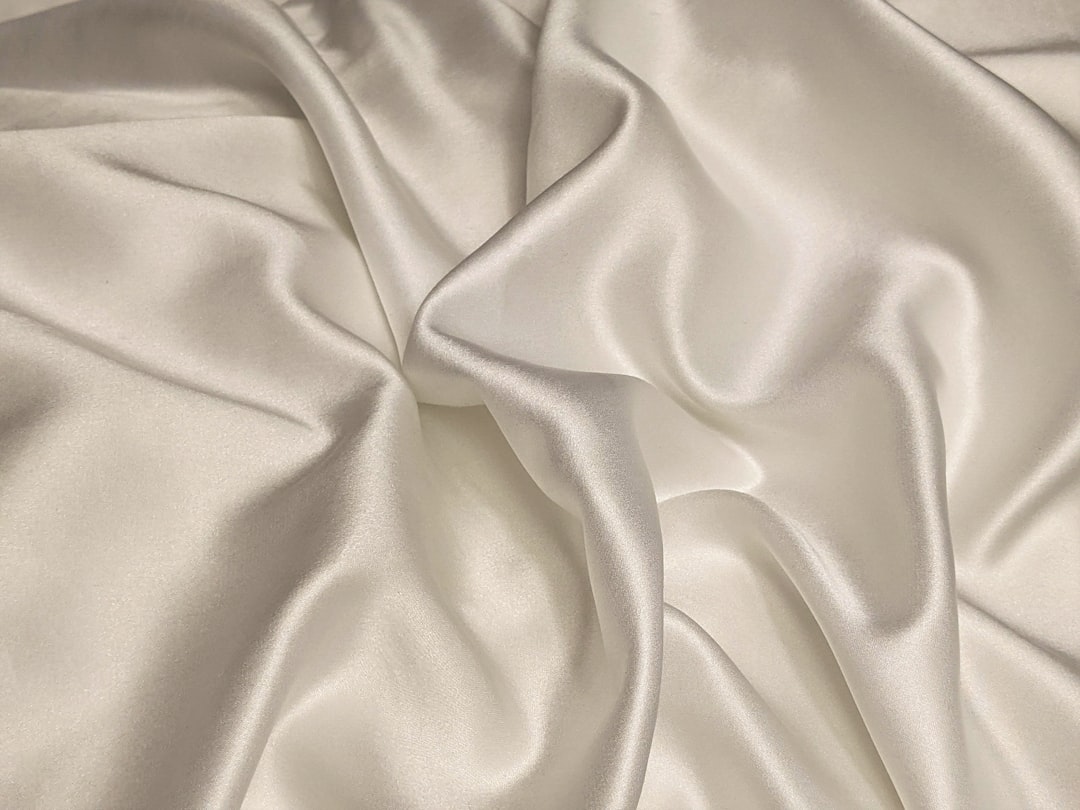
Viscose is often chosen for dresses, blouses, skirts, linings, loungewear, and lightweight trousers because it feels soft, smooth, and breathable. However, shoppers often wonder whether viscose is stretchy, especially when comparing it with jersey, cotton, polyester, or elastane blends. The answer depends on how the fabric is made: viscose fibers themselves are not naturally very stretchy, but certain weaves, knits, and blends can make viscose garments feel flexible and comfortable.
TLDR: Viscose is not naturally stretchy, especially when woven, but it can feel flexible when knitted or blended with elastane, spandex, or lycra. It is known for its soft drape, breathability, and smooth feel, making it comfortable for warm weather and flowing garments. Viscose needs gentle care because it can shrink, wrinkle, or weaken when wet if washed or dried incorrectly.
Table of Contents
Is Viscose Stretchy?
Viscose has limited natural stretch. The fiber is made from regenerated cellulose, usually derived from wood pulp, and it behaves more like cotton or linen than like elastic synthetic fibers. On its own, viscose may have a small amount of give, but it does not snap back like spandex or elastane.
The stretchiness of viscose depends mainly on the fabric construction. A woven viscose fabric, such as challis or crepe, usually has little to no stretch unless it is cut on the bias or blended with elastic fibers. A knitted viscose fabric, such as viscose jersey, can stretch more because the looped knit structure allows movement. This is why a viscose T-shirt or wrap dress may feel much stretchier than a woven viscose blouse.
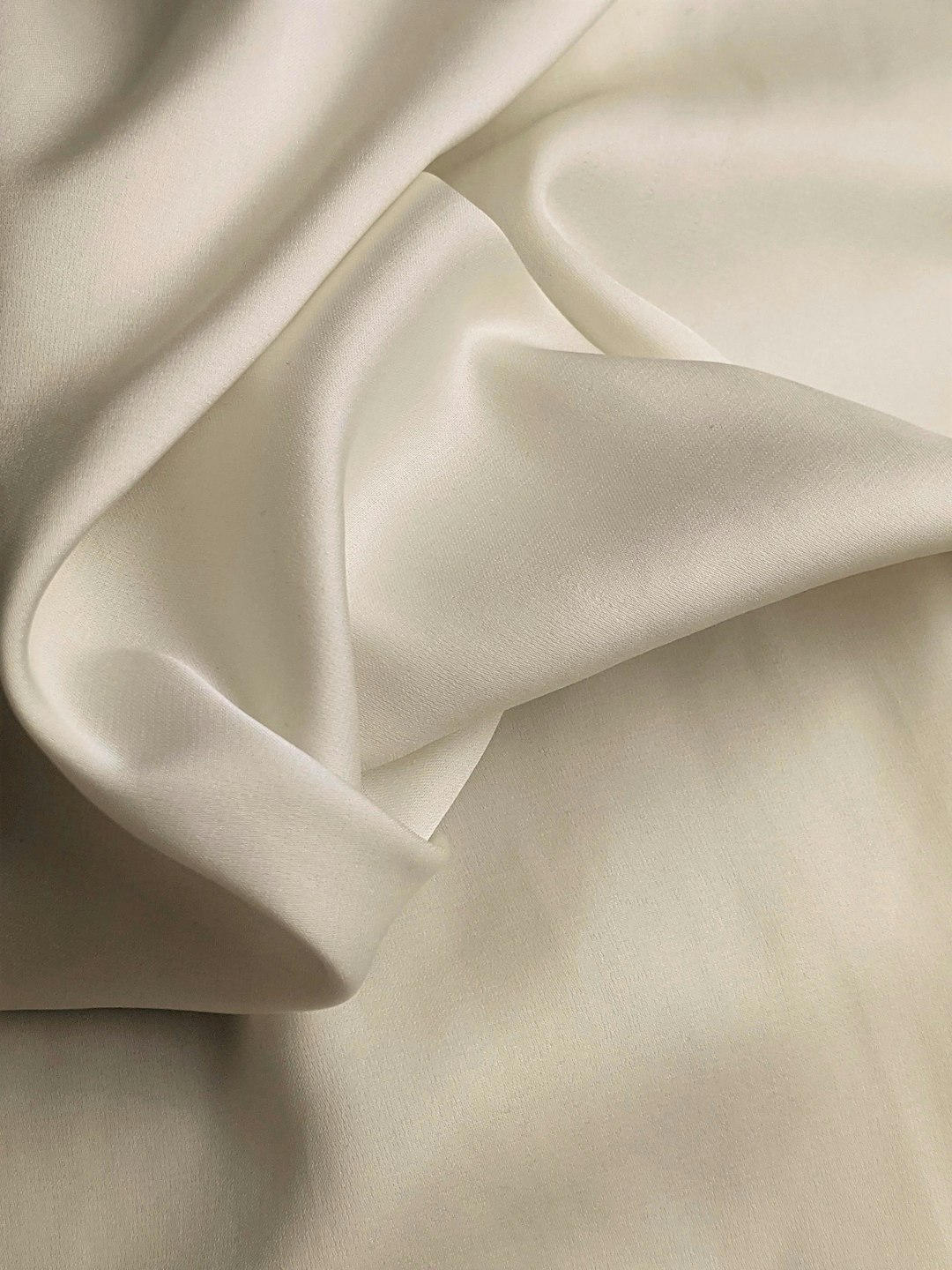
Why Some Viscose Garments Feel Stretchy
Some viscose clothing feels stretchy even though viscose itself is not highly elastic. This usually happens for one of three reasons:
- Knitted construction: Viscose jersey, rib knit, and interlock fabrics stretch because of their looped structure.
- Elastane blend: Viscose mixed with elastane, spandex, or lycra has better stretch and recovery.
- Bias cut: Woven viscose cut diagonally across the grain may move more fluidly around the body.
A common blend is 95% viscose and 5% elastane. This combination creates a soft, drapey fabric with enough stretch for fitted tops, dresses, leggings, and comfortable loungewear. Without elastane, viscose may stretch out slightly during wear, but it usually will not recover its shape as well.
Key Fabric Properties of Viscose
Viscose is popular because it combines several desirable qualities. It is often described as having a silk-like touch at a more affordable price. Its properties make it suitable for both casual and semi-formal clothing.
- Softness: Viscose feels smooth against the skin and is often comfortable for sensitive wearers.
- Drape: It falls beautifully, creating elegant movement in dresses, skirts, and wide-leg trousers.
- Breathability: Viscose allows air to circulate, making it a good option for warm climates.
- Absorbency: It absorbs moisture better than many synthetic fabrics, which can help with comfort.
- Color richness: Viscose takes dye well, so prints and colors often appear vibrant.
- Wrinkle tendency: It can crease easily, especially in woven forms.
Despite these advantages, viscose has some weaknesses. It can become weaker when wet, may shrink if exposed to heat, and can lose shape if handled roughly. These traits make proper care especially important.
Is Viscose Comfortable to Wear?
Viscose is generally considered very comfortable. It is soft, lightweight, and breathable, which is why it is commonly used for summer dresses, blouses, resort wear, pajamas, and relaxed office clothing. The fabric’s smooth hand feel can make it more comfortable than rougher natural fibers.
The level of comfort depends on the garment’s design and fabric type. A loose woven viscose dress may feel airy and cool, while a viscose elastane jersey dress may feel soft, stretchy, and body-skimming. For people who prefer clothing that moves with the body, a viscose blend with elastane is usually the better choice.
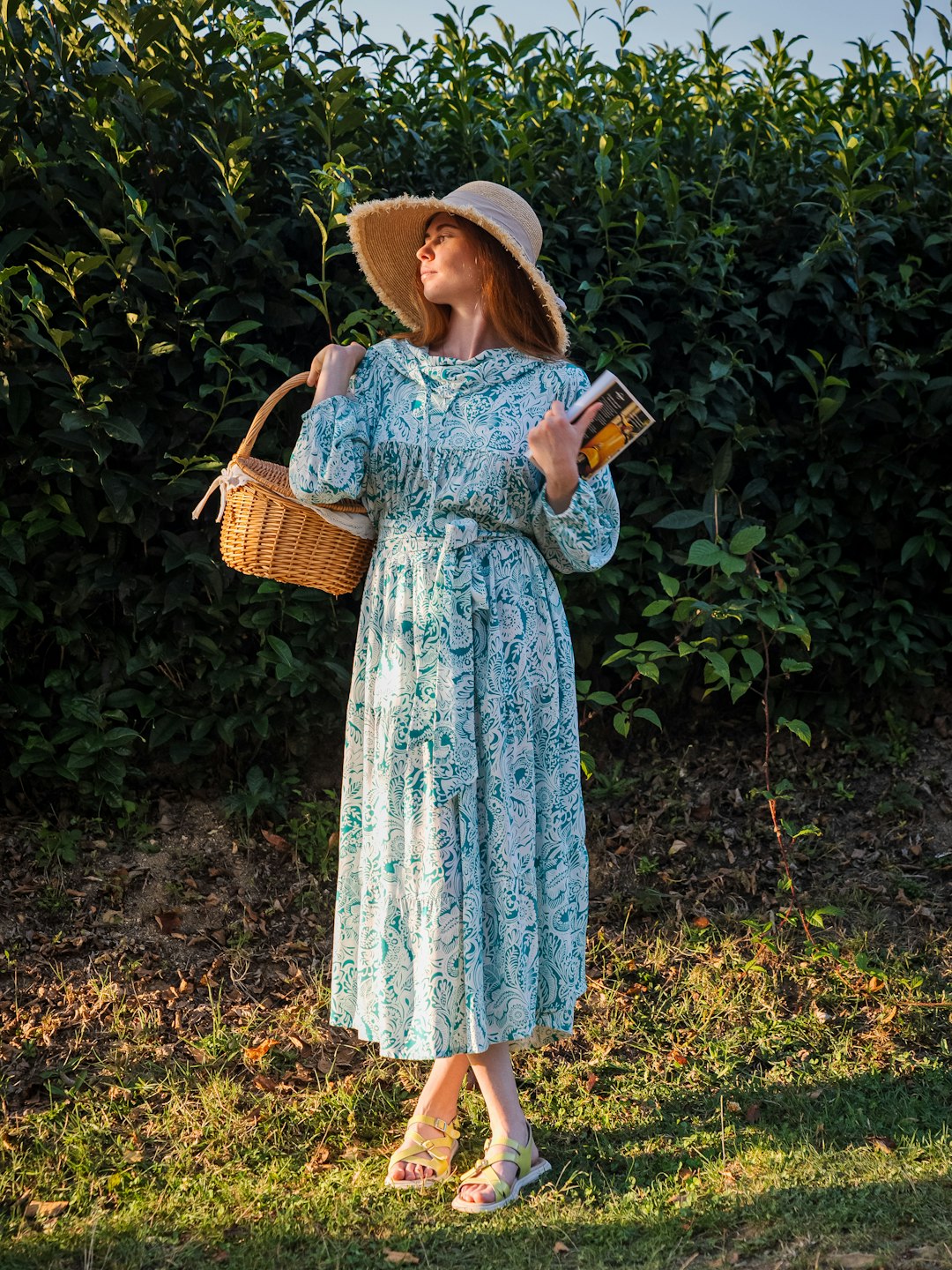
Does Viscose Stretch Out Over Time?
Viscose can stretch out, especially when wet or when hung improperly. Because the fibers are weaker when damp, a wet viscose garment may become misshapen if it is pulled, wrung, or hung on a hanger. Heavy viscose knits are especially prone to growing longer if stored hanging.
However, viscose does not always stretch out permanently. Some garments return close to their original shape after drying flat, especially if they contain elastane. Others may remain slightly distorted if they were washed in hot water, tumble dried, or stretched while wet.
Does Viscose Shrink?
Yes, viscose can shrink, particularly when washed in hot water or dried with high heat. Some viscose garments are labeled dry clean only because the fabric may shrink, twist, or lose its finish during home washing. Even washable viscose should be treated gently.
To reduce shrinkage, the garment should be washed in cold water, handled carefully, and air dried. If a label recommends dry cleaning, following that instruction is the safest option. Pre-shrunk or treated viscose may be more stable, but care labels should still be checked before washing.
How to Care for Viscose
Proper care helps viscose stay soft, smooth, and wearable for longer. Since the fabric can be delicate when wet, gentle handling is essential.
- Read the care label: Some viscose garments are washable, while others require dry cleaning.
- Use cold water: Cold water helps reduce shrinkage and color fading.
- Choose a gentle cycle: A delicate machine cycle or hand wash is usually best.
- Avoid wringing: Twisting wet viscose can stretch or damage the fibers.
- Dry flat: Laying the garment flat helps prevent stretching and distortion.
- Avoid high heat: Tumble drying can shrink viscose and weaken the fabric.
- Iron carefully: A low to medium heat setting with steam can remove wrinkles, but the garment should be ironed inside out when possible.

Viscose vs Stretch Fabrics
Compared with true stretch fabrics, viscose is less elastic. Polyester spandex, nylon spandex, and cotton elastane blends usually offer stronger stretch and recovery. Viscose can still be suitable for fitted clothing when combined with elastane, but pure woven viscose is better suited to flowing, relaxed silhouettes.
For activewear or high-movement clothing, viscose is usually not the first choice unless it is specifically blended for performance. For everyday comfort, soft drape, and breathable style, viscose remains a strong option.
Best Uses for Viscose Clothing
Viscose works especially well in garments that benefit from movement and softness. It is commonly used for:
- Flowing dresses and maxi skirts
- Blouses, tunics, and shirts
- Lightweight trousers and culottes
- Soft linings
- Jersey tops and wrap dresses when blended with elastane
- Loungewear and sleepwear
When stretch is needed, the best choice is usually a viscose jersey blend rather than a plain woven viscose fabric. Buyers should check the fiber content and look for elastane, spandex, or lycra in the label.
Final Thoughts
Viscose is not naturally stretchy in the way that elastic fibers are, but it can feel flexible depending on its knit, weave, and blend. Woven viscose typically has minimal stretch, while viscose jersey and viscose elastane blends provide more movement and comfort. Its main strengths are softness, breathability, absorbency, and elegant drape.
For those who want a flowing, comfortable fabric for warm weather or everyday wear, viscose can be an excellent choice. For those who need strong stretch and shape recovery, a viscose blend with elastane is the better option. With gentle washing, flat drying, and careful storage, viscose garments can remain beautiful and comfortable for a long time.
FAQ
Is 100% viscose stretchy?
100% viscose is usually not very stretchy. Woven 100% viscose has minimal give, while knitted 100% viscose may stretch somewhat because of its construction.
Is viscose with elastane stretchy?
Yes. Viscose blended with elastane, spandex, or lycra is noticeably stretchier and has better shape recovery than pure viscose.
Does viscose shrink in the wash?
Viscose can shrink if washed in hot water or dried with heat. Cold washing and air drying help reduce the risk.
Is viscose good for summer?
Yes. Viscose is breathable, lightweight, and moisture absorbent, making it comfortable for warm weather clothing.
Can viscose be tumble dried?
It is usually best to avoid tumble drying viscose. Heat can cause shrinkage, wrinkles, or damage, so flat air drying is safer.
How can a person tell if viscose clothing will stretch?
The care and fiber label should be checked. If the garment includes elastane, spandex, or lycra, or if it is made from jersey knit, it will likely have more stretch.