

For banks, search visibility is not just a marketing objective; it is a trust-building channel. Customers use Google to compare checking accounts, mortgage rates, business loans, branch locations, and financial guidance long before they speak with a representative. A strong SEO strategy helps a bank appear at the right moment, provide reliable information, and convert qualified visitors into long-term customers.
TLDR: SEO for banks should focus on trust, technical performance, local visibility, compliant content, and clear conversion paths. Because banking is a high-trust industry, search engines and customers both expect accuracy, transparency, and authoritative information. Banks that optimize branch pages, publish helpful financial content, improve site speed, and measure conversions can increase rankings while generating more valuable leads.
Table of Contents
Why SEO Matters for Banks
Banking decisions are often complex and high-value. A customer searching for best small business checking account, mortgage lender near me, or how to improve credit score is showing meaningful intent. If your institution does not appear in organic search results, that customer will likely engage with a competitor, comparison site, or financial publisher.
Unlike paid advertising, SEO builds durable visibility over time. Well-optimized pages can continue attracting customers without requiring payment for every click. For community banks, regional banks, credit unions, and larger financial institutions, SEO also strengthens credibility by making helpful, accurate information easier to find.
Build SEO Around Trust and Compliance
Financial content falls into what search engines often treat as Your Money or Your Life content. This means quality, accuracy, and trustworthiness matter significantly. Banks should ensure that every public-facing page reflects a high standard of professionalism and regulatory care.
- Use expert review: Content about loans, interest rates, credit, investing, or financial planning should be reviewed by qualified professionals.
- Keep information current: Outdated fees, rates, terms, or eligibility requirements can damage both rankings and customer trust.
- Include clear disclosures: Important conditions, limitations, and compliance language should be visible and understandable.
- Show institutional credibility: Display contact details, branch information, leadership pages, FDIC or NCUA references where applicable, and secure site indicators.
SEO should never encourage exaggerated claims or unclear product descriptions. A serious, transparent tone is more effective for banking than aggressive sales language.
Optimize for Local Banking Searches
Local SEO is essential for banks with physical branches. Many customers still search for nearby ATMs, branch hours, loan officers, or financial advisors. Each branch should have a dedicated, optimized page with complete and consistent information.

Strong local optimization should include:
- Individual branch pages with address, phone number, business hours, services, parking details, and accessibility information.
- Google Business Profile optimization for every location, including accurate categories, photos, holiday hours, and service descriptions.
- Consistent name, address, and phone data across directories, maps, and review platforms.
- Location-specific content such as mortgage services in a certain city or small business banking for a regional market.
Reviews also influence local visibility and customer confidence. Banks should encourage satisfied customers to leave honest reviews and respond professionally to both positive and negative feedback.
Create Content That Answers Real Financial Questions
High-quality content is one of the most effective ways for banks to attract search traffic. Customers often begin with educational questions before they are ready to open an account or apply for a loan. Helpful content positions the bank as a reliable advisor.
Useful content topics may include:
- How to choose a checking account
- Steps to prepare for a mortgage application
- How certificates of deposit work
- Business loan documentation requirements
- Fraud prevention and online banking safety
- Budgeting, saving, and credit management guidance
Each article should have a clear purpose, plain language, and practical next steps. Avoid publishing generic content that repeats what already exists on thousands of financial websites. Instead, add value through examples, calculators, local context, expert quotes, or explanations of your bank’s specific process.
Improve Product and Service Pages
Product pages are often the most important conversion pages on a bank’s website. A page for checking accounts, auto loans, business banking, or mortgages should do more than list basic features. It should answer the questions that influence a customer’s decision.
Effective banking product pages typically include:
- Clear benefits written in practical terms.
- Fees, rates, and requirements explained transparently.
- Comparison tables to help users choose the right account or loan product.
- Frequently asked questions based on real customer concerns.
- Prominent calls to action such as “Open an Account,” “Schedule an Appointment,” or “Apply Now.”
Internal links from educational articles to relevant product pages can help guide visitors from research to action. This structure also helps search engines understand the relationship between topics and services.
Strengthen Technical SEO and Site Performance
A bank’s website must be fast, secure, mobile-friendly, and easy to crawl. Technical problems can limit rankings even when content quality is strong. Customers also expect online banking and financial websites to perform reliably.
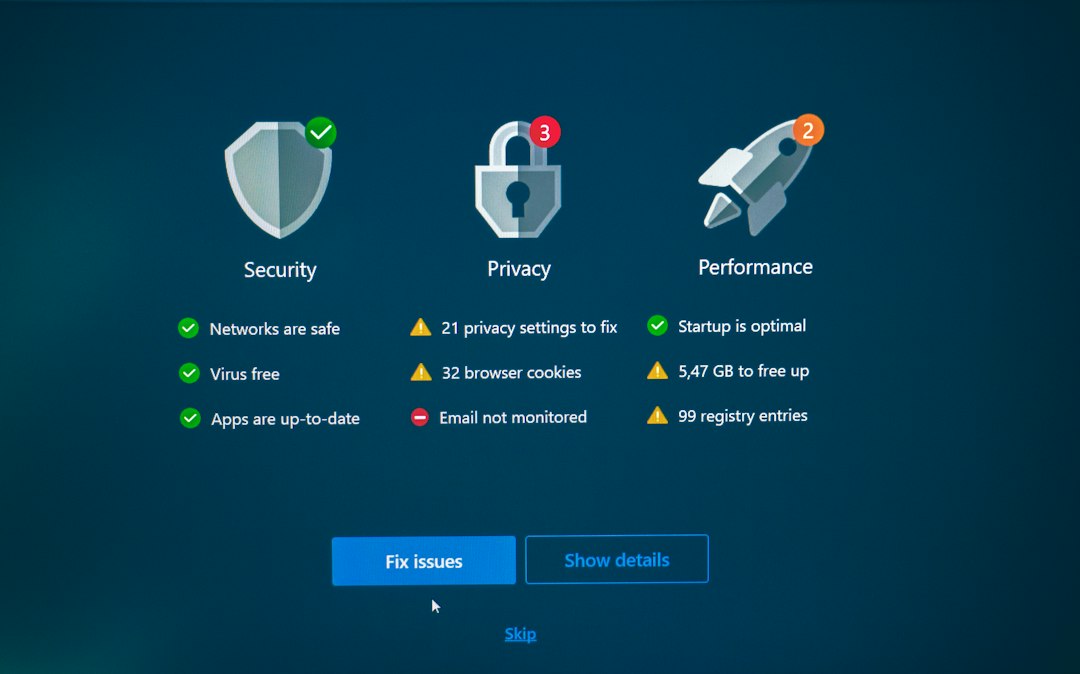
Important technical SEO priorities include:
- HTTPS security across the entire website.
- Fast page loading, especially on mobile devices.
- Clean site architecture so users and search engines can find important pages quickly.
- Mobile usability for forms, menus, location pages, and calculators.
- Structured data for branches, FAQs, breadcrumbs, and organization details.
- Accessible design that supports all users and aligns with professional standards.
Regular technical audits are important. Broken links, duplicate pages, indexation errors, and slow templates can quietly reduce organic performance over time.
Use Keywords With Search Intent in Mind
Keyword research for banks should move beyond broad terms such as bank or loans. The most valuable searches often reveal specific intent. For example, business line of credit requirements indicates a different need than bank branch open Saturday near me.
Group keywords by intent:
- Informational: “How does a home equity loan work?”
- Commercial: “Best checking account for small business.”
- Local: “Bank near me with notary services.”
- Transactional: “Apply for auto loan online.”
This approach helps determine whether the best page is a blog article, service page, branch page, calculator, or application page.
Convert Organic Traffic Into Customers
Rankings alone do not create business value. A bank’s SEO program should be connected to measurable customer actions. Every important page should make the next step clear and trustworthy.
Conversion improvements may include:
- Short, secure application forms
- Appointment scheduling with branch or loan staff
- Click-to-call buttons on mobile
- Downloadable checklists for loan preparation
- Clear explanations of what happens after submission

Trust signals near conversion points are especially important. Include privacy statements, security references, contact options, and concise reassurance about how customer information will be used.
Measure Results and Refine the Strategy
Banks should track SEO performance using reliable analytics and reporting. Key metrics include organic traffic, rankings for priority terms, branch page visits, calls, appointment requests, account applications, loan inquiries, and assisted conversions.
It is also important to measure quality, not only volume. A smaller number of qualified mortgage leads may be more valuable than a large increase in low-intent blog traffic. Review performance monthly, identify pages that need updates, and expand content where customer demand is clear.
Final Thoughts
SEO for banks requires discipline, accuracy, and a long-term commitment to customer service. The most successful strategies combine technical excellence, local visibility, authoritative content, transparent product information, and strong conversion paths. When executed properly, SEO can help a bank earn higher rankings, strengthen public trust, and generate more customers in a sustainable way.