

Entrepreneurship can be a powerful way for children to learn creativity, problem solving, communication, and money skills. A kid does not need to launch a big company to think like an entrepreneur; a lemonade stand, handmade craft sale, neighborhood service, or school fundraiser can become a practical lesson in planning, confidence, and resilience.
TLDR: Kids can learn entrepreneurship through age appropriate books, simple business activities, and supportive resources that make ideas feel achievable. The best approach combines reading, hands on practice, and reflection after each project. Parents, teachers, and mentors can help children focus on solving real problems, understanding customers, and learning from mistakes.
Table of Contents
Why Entrepreneurship Matters for Kids
Entrepreneurship teaches children more than how to make money. It encourages them to notice problems, imagine solutions, test ideas, and improve over time. These are valuable life skills whether a child becomes a founder, artist, scientist, community leader, or employee in the future.
Children also learn financial literacy in a practical way. Instead of only hearing about saving, spending, profit, and cost, they can experience those ideas through a small project. For example, a child who sells bookmarks may learn that supplies cost money, pricing matters, and customers respond to quality and presentation.
Just as important, entrepreneurship helps kids build confidence. Speaking to customers, explaining an idea, making a simple poster, or recovering after a slow sales day can strengthen communication and emotional resilience.
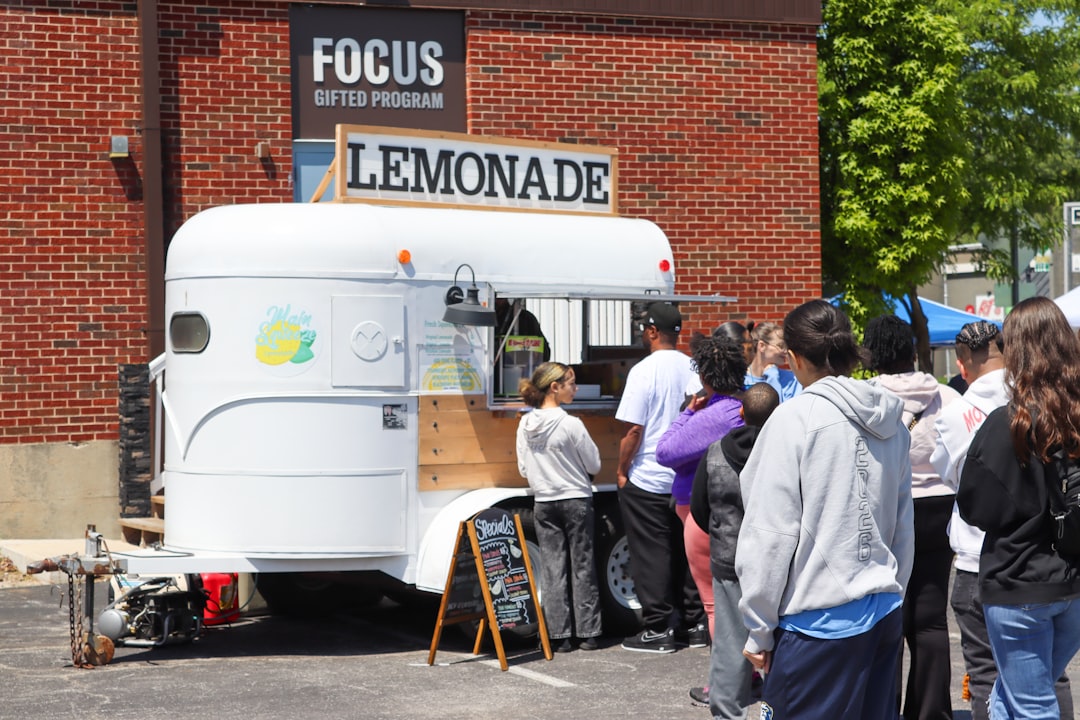
Best Entrepreneurship Books for Kids
Books give children examples of business thinking in a fun, safe, and imaginative format. The best titles make entrepreneurship feel possible rather than overwhelming.
- What Do You Do With an Idea? by Kobi Yamada
This picture book is ideal for younger children. It is not a business manual, but it helps kids understand that ideas can grow when they are protected, explored, and shared. - The Lemonade War by Jacqueline Davies
This chapter book introduces business concepts such as competition, pricing, marketing, and profit through a relatable sibling story. It works well for elementary readers and classroom discussions. - Kid Start-Up: How YOU Can Become an Entrepreneur by Mark Cuban, Shaan Patel, and Ian McCue
This book explains business basics in a kid friendly way. It includes practical advice on coming up with ideas, finding customers, and starting small. - Better Than a Lemonade Stand! by Daryl Bernstein
This resource offers many small business ideas for children. It can help kids move beyond the usual lemonade stand and consider services, crafts, events, and creative projects. - Lunch Money by Andrew Clements
This novel explores a child’s comic book business and introduces themes such as creativity, persistence, competition, and school rules. - Finance 101 for Kids by Walter Andal
While not only about entrepreneurship, this book supports young business learners by explaining money, saving, investing, and basic financial systems.
Hands On Activities That Teach Business Skills
Entrepreneurship becomes meaningful when kids do something with what they learn. Small activities can be adapted for different ages, budgets, and interests.
1. The Problem Solver Notebook
A child can keep a notebook of everyday problems they notice at home, school, or in the community. Examples might include messy desks, lost pencils, bored pets, or difficulty choosing snacks. Next to each problem, the child can write possible solutions. This activity teaches that businesses often begin by helping people.
2. The Mini Market Day
A family, class, or club can organize a small market where kids sell handmade items or simple services. Products might include greeting cards, bracelets, painted rocks, baked goods, or plant seedlings. Before the event, each child can calculate supply costs, set a price, and create a small sign.
3. The One Dollar Challenge
With adult supervision, a child can be given a tiny budget, such as one dollar or five dollars, and challenged to create something of greater value. The goal is not pressure or profit at all costs. The goal is to understand creativity, resourcefulness, and decision making.

4. Customer Interview Practice
Many young entrepreneurs jump straight into making a product. A stronger approach is to ask questions first. A child can interview family members or classmates with simple questions such as, “What is something that annoys people during homework?” or “What would make lunch packing easier?” This teaches listening before selling.
5. Design a Storefront
Kids can draw a pretend storefront, create a product label, or design a simple menu of services. This activity builds branding awareness without needing advanced technology. It also helps children think about how colors, names, and messages influence customers.
6. Profit and Reflection Sheet
After any business activity, a child can complete a short reflection sheet. Useful prompts include: What went well? What was difficult? What did customers like? What would be changed next time? How much was spent, earned, saved, or donated?
Digital and Community Resources
Children benefit from resources that are safe, structured, and age appropriate. Parents and educators should review any online platform before a child uses it.
- Library programs: Many public libraries offer maker clubs, coding sessions, financial literacy workshops, and small business themed events for kids.
- School clubs: Entrepreneurship, robotics, debate, art, and student council clubs all support skills that young founders need.
- Junior Achievement: This organization provides programs that teach work readiness, entrepreneurship, and financial literacy.
- 4-H and scouting programs: These groups often include projects involving leadership, budgeting, community service, and practical skills.
- Kid safe finance tools: Some family banking apps and allowance systems help kids track saving, spending, and giving with adult guidance.
- Local business visits: A trip to a bakery, repair shop, farm, studio, or bookstore can show children how real businesses operate.
How Adults Can Support Young Entrepreneurs
Adults play a key role in keeping entrepreneurship positive. The best support is not taking over the project, but guiding the child through decisions. A parent or teacher can ask questions, help with safety, review costs, and encourage ethical choices.
It is also important to normalize mistakes. If a product does not sell, that result can become a lesson in market research rather than a failure. If a child forgets supplies, that moment can become a lesson in planning. Entrepreneurship should feel like exploration, not a high pressure exam.
Adults can also help children understand responsibility. A young entrepreneur should learn to be honest about products, fair with partners, respectful to customers, and careful with money. If earnings are involved, a simple plan can divide money into save, spend, reinvest, and give categories.

Simple Business Ideas for Kids
The best business idea depends on a child’s age, interests, location, and available adult supervision. Some realistic options include:
- Pet sitting or dog walking with an adult nearby
- Handmade cards, bookmarks, or friendship bracelets
- Plant starts, herbs, or small garden kits
- Car washing or window washing for trusted neighbors
- Gift wrapping during holidays
- Recycling collection or neighborhood clean up projects
- Digital art commissions for family friends, when appropriate
- Tutoring younger children in reading, math, or music
A good first project should be small, safe, and easy to test. A child who enjoys baking might start with one family event rather than a weekly bakery. A child who loves animals might help one neighbor before advertising widely. Starting small protects confidence and makes learning easier.
Building an Entrepreneurial Mindset
Entrepreneurship for kids is less about producing a perfect business and more about developing a mindset. Children can learn to ask, What problem can be solved? They can learn to test ideas, accept feedback, manage money, and communicate clearly. Over time, these habits can shape how they approach school projects, friendships, hobbies, and future careers.
When books, activities, and resources work together, entrepreneurship becomes both educational and fun. A child may earn a few dollars, raise money for a cause, or simply discover the joy of turning an idea into something real. That experience can be the beginning of lifelong curiosity and initiative.
FAQ
- What is a good age for kids to learn entrepreneurship?
Children can begin learning basic entrepreneurial thinking as early as preschool through pretend play, sharing, and simple problem solving. More structured projects usually work well from ages seven and up. - Does a child need money to start a business activity?
No. Many activities can begin with paper, recycled materials, household supplies, or service based ideas. The focus should be on learning, not spending. - Should kids be allowed to handle real money?
With adult supervision, handling small amounts of money can be educational. It helps children understand pricing, change, saving, and responsibility. - What if a child’s business idea fails?
A disappointing result can be turned into a useful lesson. Adults can help the child discuss what happened, what customers wanted, and what could be improved next time. - Are online businesses appropriate for kids?
Online projects require careful adult oversight, privacy protection, and platform review. For many children, offline projects are a safer and simpler place to begin. - What is the most important entrepreneurship skill for kids?
Problem solving is one of the most important skills. When children learn to notice needs and create helpful solutions, they build the foundation for future entrepreneurial success.