

Multi-page document design becomes difficult when every page must be adjusted by hand. Reports, catalogs, magazines, proposals, manuals, and presentation decks often rely on repeated visual elements: page numbers, headers, footers, margins, logo placement, column grids, and background shapes. Master pages solve this problem by letting designers define reusable page structures once and apply them consistently across many pages.
TLDR: Master pages are template-like layout pages that control repeated design elements across a document. Instead of manually placing headers, footers, page numbers, and grids on every page, you create them once and apply them wherever needed. For example, a designer preparing a 40-page annual report may reduce formatting time by 30–50% by using master pages for section headers, page numbering, and consistent margins. They also reduce errors, such as mismatched logo placement or inconsistent footer text.
Table of Contents
What Are Master Pages?
A master page is a reusable layout framework applied to one or more document pages. It contains elements that should remain consistent across selected pages. These may include:
- Page numbers
- Headers and footers
- Logos or brand marks
- Margins, columns, and guides
- Background colors, images, or decorative shapes
- Chapter titles or section labels
Think of a master page as the structural layer behind your working pages. When you update the master, all pages connected to it can update automatically. This is especially valuable when designing documents that may change several times before final approval.

Why Master Pages Matter in Professional Design
Consistency is one of the main indicators of professional document design. A reader may not consciously notice a well-built layout system, but they will notice when page numbers shift, headers move, or margins appear uneven. Master pages help prevent these problems by enforcing a consistent structure.
They also make revisions more efficient. If a client requests that the footer text be changed from “Confidential Draft” to “Internal Use Only,” a designer should not need to edit 60 individual pages. With master pages, that update can often be made in one place.
The practical benefits include:
- Speed: Repeated elements are created once instead of rebuilt page by page.
- Accuracy: Shared elements remain aligned and consistent.
- Scalability: Long documents become easier to expand and reorganize.
- Brand control: Logos, typography, and spacing remain standardized.
- Simpler revisions: Global layout changes can be handled quickly.
How Master Pages Work
Most professional layout applications allow you to create one or more master pages. A simple document may use a single master page for all pages. More complex documents may use several: one for the cover, one for chapter openings, one for standard content pages, and one for appendix pages.
For example, a technical manual might use:
- Cover master: no page number, large title area, background image.
- Chapter master: large heading, section label, wide top margin.
- Content master: running header, page number, two-column grid.
- Appendix master: alternate footer and simplified layout.
Once these masters are created, the designer applies them to the appropriate pages. Page 1 may use the cover master, pages 2–5 may use the chapter or introduction master, and the remaining pages may use the content master. If the content master changes, all pages using it can reflect the update.
Common Elements to Place on Master Pages
Not every design element belongs on a master page. The best candidates are items that repeat predictably. These are usually structural or navigational components rather than unique page content.
Good elements for master pages include:
- Automatic page numbers
- Document titles or section names
- Navigation tabs in long PDFs or manuals
- Standard margin and column guides
- Repeating background patterns
- Legal disclaimers or copyright notices
Elements usually better left on regular pages include:
- Body text that changes from page to page
- Unique charts, diagrams, or photography
- One-off callouts or annotations
- Special layout treatments used only once
The guiding principle is simple: if it repeats, consider placing it on a master page; if it is unique, keep it on the document page.
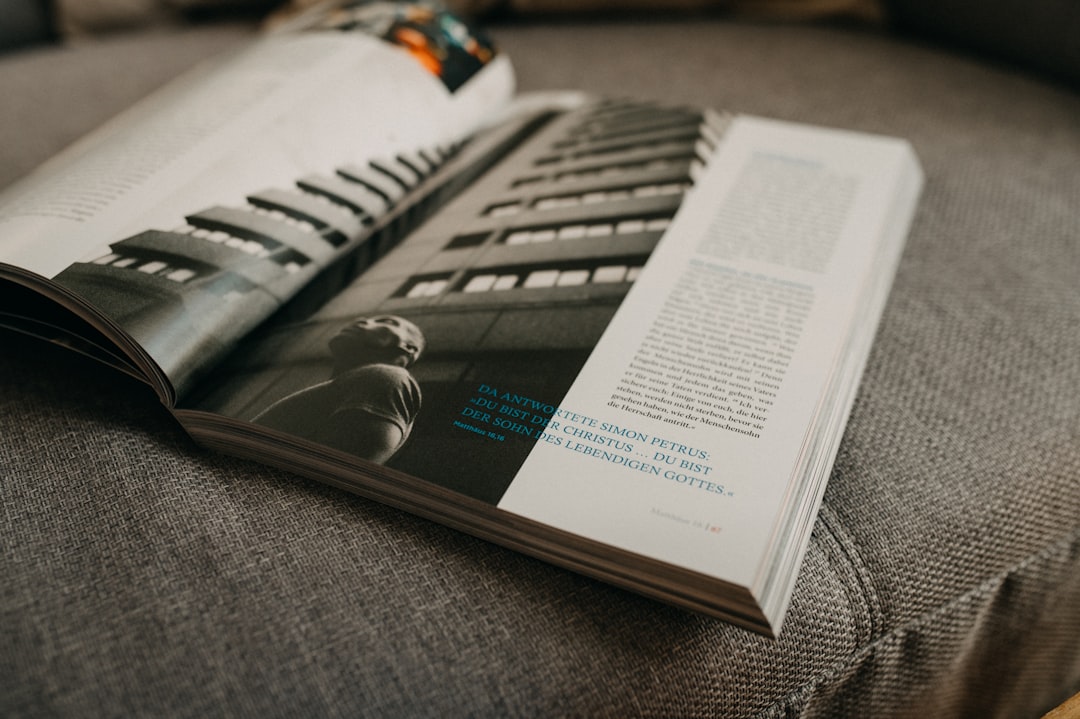
Master Pages and Brand Consistency
Brand consistency is not limited to logos and colors. It also includes rhythm, spacing, typography, and page hierarchy. A financial report, for instance, should not have one section with generous margins and another with cramped spacing unless that contrast is intentional. Master pages help preserve a unified visual language.
This is particularly important for organizations where multiple people contribute to a document. If one designer builds a clear master page system, another team member can continue the work without guessing where to place recurring elements. The layout becomes easier to understand, maintain, and audit.
How Master Pages Speed Up Production
The time savings from master pages are most noticeable when documents grow beyond a few pages. In a 6-page brochure, manual adjustments may still be manageable. In a 48-page proposal, they become a serious production risk.
Consider a firm preparing a quarterly report with 32 pages. Without master pages, the designer may spend several minutes on each page aligning footers, checking page numbers, and adjusting headers. If that takes only three minutes per page, it adds up to more than 90 minutes of repetitive formatting. With master pages, much of that work can be handled once during setup, then reused throughout the document.
Master pages also reduce the cost of late-stage changes. Late edits are common in professional publishing. A board member may request a new disclaimer, a marketing team may update a tagline, or a legal team may revise footer copy. A well-structured master page system makes those changes controlled rather than disruptive.
Best Practices for Using Master Pages
To get the most value from master pages, build them deliberately rather than as an afterthought.
- Start with a layout plan: Decide how many page types the document needs before creating pages.
- Name masters clearly: Use names such as “Standard Content,” “Chapter Opener,” or “Appendix” so collaborators understand their purpose.
- Use guides and grids: Place margin guides, columns, and baseline references in the master structure.
- Avoid overcrowding: Do not place too many decorative elements on masters if they may interfere with content.
- Test early: Apply each master to sample pages and confirm that it works with real text, images, and tables.
- Keep exceptions rare: Overriding master elements on many pages defeats the purpose of using masters.

When to Use Multiple Master Pages
One master page is often enough for a basic document, but complex layouts benefit from multiple masters. This allows structure without forcing every page into the same pattern. A magazine may need different masters for feature articles, advertising pages, interviews, and contents pages. A product catalog may need masters for category openers, product grids, and specification tables.
The goal is not to create as many masters as possible. The goal is to create enough to support the document’s logic. Too few masters can lead to messy manual work; too many can create confusion. A serious document system usually balances flexibility with control.
Common Mistakes to Avoid
One frequent mistake is placing unique content on a master page. This can make editing confusing because the element may not behave like normal page content. Another mistake is building the masters after most pages have already been designed. While still useful, this often requires reworking pages that could have been structured correctly from the beginning.
Designers should also avoid inconsistent overrides. Most layout tools allow master elements to be overridden on individual pages. This is useful for special cases, but if every page requires overrides, the master design probably needs to be reconsidered.
Conclusion
Master pages are one of the most effective ways to speed up multi-page document design while improving consistency and reducing production errors. They give designers a controlled system for repeated elements, allowing more attention to be spent on content, hierarchy, and visual quality.
For professional reports, catalogs, manuals, magazines, and proposals, master pages are not merely a convenience. They are a dependable workflow practice. When used thoughtfully, they help teams produce cleaner documents, manage revisions with confidence, and maintain a consistent standard from the first page to the last.