
Telegram is safe for casual messaging, but it is not the safest app for private chats. Regular Telegram chats are not end-to-end encrypted by default, while Secret Chats are, according to Telegram’s own FAQ [source: Telegram]. That one detail matters more than any flashy feature. If a person needs strong privacy with less setup, Signal is usually the cleaner choice.
TLDR: Telegram is fine for public channels, groups, file sharing, and everyday chats, but users should not treat normal chats as fully private. For sensitive messages, Secret Chats should be turned on manually, which is easy to miss. For example, a family group sharing weekend plans is fine on Telegram, but a journalist discussing a source should use Signal or Session instead. Telegram has hundreds of millions of users, yet its default privacy model is still weaker than apps that encrypt private chats from the start.
The catch is that Telegram feels private because it has locks, passcodes, disappearing messages, and hidden phone number settings. Some of those tools are useful. Still, the default chat type stores messages in Telegram’s cloud so they can sync across devices. That is convenient. It is also the reason privacy fans keep raising an eyebrow.
Table of Contents
What Telegram Does Well
Telegram is fast. It works well on phones, tablets, browsers, and desktop apps. It supports huge groups, channels, bots, large files, usernames, and quick search. For communities and public updates, it is often excellent.
Security features also exist. A user can add a local passcode, enable two-step verification, hide a phone number, limit profile photo access, and control who can add the account to groups. These settings reduce spam and unwanted contact.
- Two-step verification: Adds a password on top of SMS login codes.
- Phone number privacy: Lets users hide their number from strangers.
- Passcode lock: Protects the app if the phone is unlocked.
- Active sessions: Shows logged-in devices and allows remote logout.
- Auto-delete: Removes messages after a set time in selected chats.
Where Telegram Falls Short
The biggest issue is simple. Telegram’s normal one-to-one chats and group chats are not end-to-end encrypted by default. That means a message is encrypted in transit and on Telegram’s servers, but the system is not designed like Signal, where only the sender and receiver can read private chat content.
Secret Chats fix part of this problem, but they come with annoying limits. They work only on the devices where they start. They do not sync to every device. They also do not work for group chats. Honestly, it feels like Telegram made the private option feel like a side room instead of the main door.
How Secret Chats Work
Secret Chats use end-to-end encryption. They can include self-destruct timers and do not store messages in Telegram’s cloud in the same way as normal chats. They are better for private one-to-one messages.
To start one, a user opens a contact profile and chooses the Secret Chat option. After that, both people must use that thread, not the normal chat. Expect to waste time explaining this to less technical friends. Many people see two chat threads with the same person and send the private message into the wrong one.

Privacy Settings Telegram Users Should Change
Anyone who keeps Telegram should spend five minutes changing the defaults. These settings make a real difference.
- Enable two-step verification: Go to Settings > Privacy and Security > Two-Step Verification.
- Hide the phone number: Set phone number visibility to Nobody or My Contacts.
- Limit profile photos: Allow only contacts to view them.
- Block random group invites: Set group invites to My Contacts.
- Review active sessions: Remove old phones, laptops, and unknown devices.
- Use Secret Chats for sensitive talks: Normal chats are not enough.
- Disable link previews for risky links: This can reduce data exposure.
Signal vs Telegram
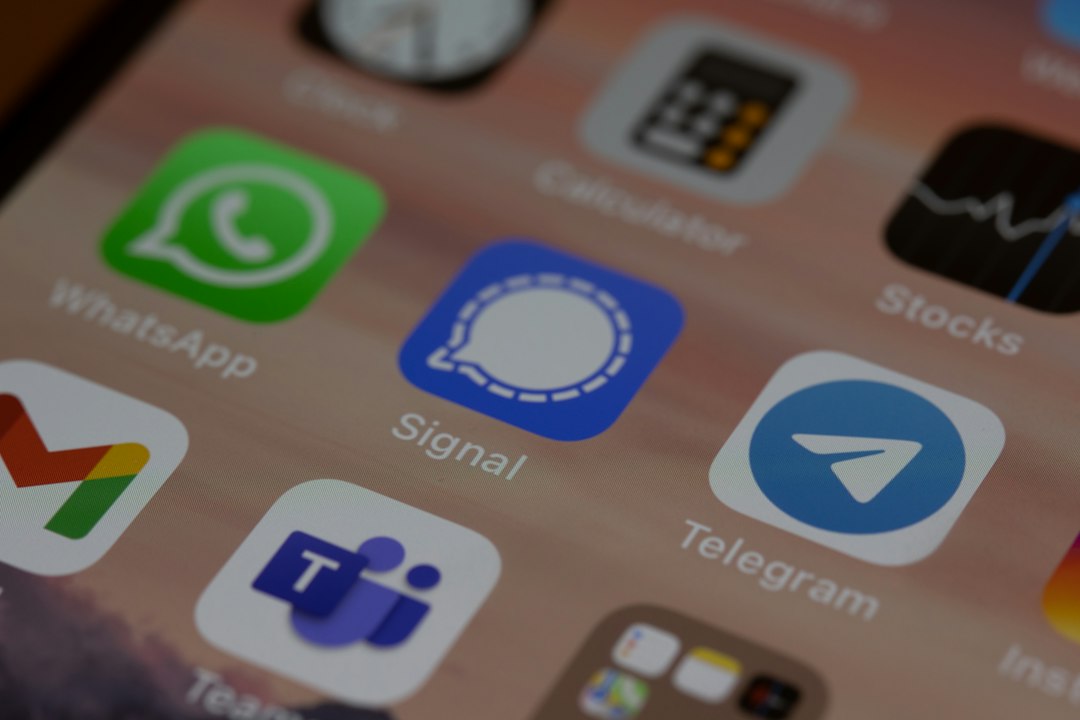
Signal is usually safer for private messaging. End-to-end encryption is on by default for personal chats and groups. The app also collects very little account data compared with many chat apps. Signal’s design goal is privacy first, not massive channels or bots.
Signal is less fun than Telegram in some ways. It has fewer community tools. Its desktop setup can feel basic. Still, for private chats, that tradeoff is usually worth it. Signal also documents its encryption approach openly [source: Signal].
Session vs Telegram
Session goes even further with anonymity. It does not require a phone number. That is a big deal for people who do not want their identity tied to a messaging account. It routes messages through a decentralized network, which can help reduce direct tracking.
The downside is polish. Session can feel slower. Some contacts may not use it. Features are thinner than Telegram’s. It suits activists, whistleblowers, and privacy-heavy users more than families planning dinner.
So, Is Telegram Safe?
Telegram is safe enough for low-risk use. It is good for channels, communities, casual messages, and sharing files. It is not the best app for highly private conversations unless Secret Chats are used correctly every single time.
For most people, the best setup is simple. Use Telegram for public and casual communication. Use Signal for private chats. Use Session when a phone number should not be part of the account at all.
FAQ
- Is Telegram end-to-end encrypted?
- Secret Chats are end-to-end encrypted. Regular cloud chats are not end-to-end encrypted by default.
- Are Telegram Secret Chats safe?
- They are much safer than normal Telegram chats for one-to-one messaging. They do not sync across all devices, which can be inconvenient but also reduces exposure.
- Can Telegram read normal messages?
- Normal chats are stored in Telegram’s cloud in an encrypted form. They are not protected the same way as end-to-end encrypted chats, where only the chat members hold the keys.
- Is Signal safer than Telegram?
- Yes, for private messaging. Signal encrypts private chats and groups by default and collects less user data.
- Is Session better than Signal?
- Session is better for users who want to avoid phone numbers. Signal is usually easier to use and more common among everyday contacts.
- Should a user delete Telegram?
- Not always. Telegram can still be useful. A smarter move is to change privacy settings and avoid using normal chats for sensitive messages.