
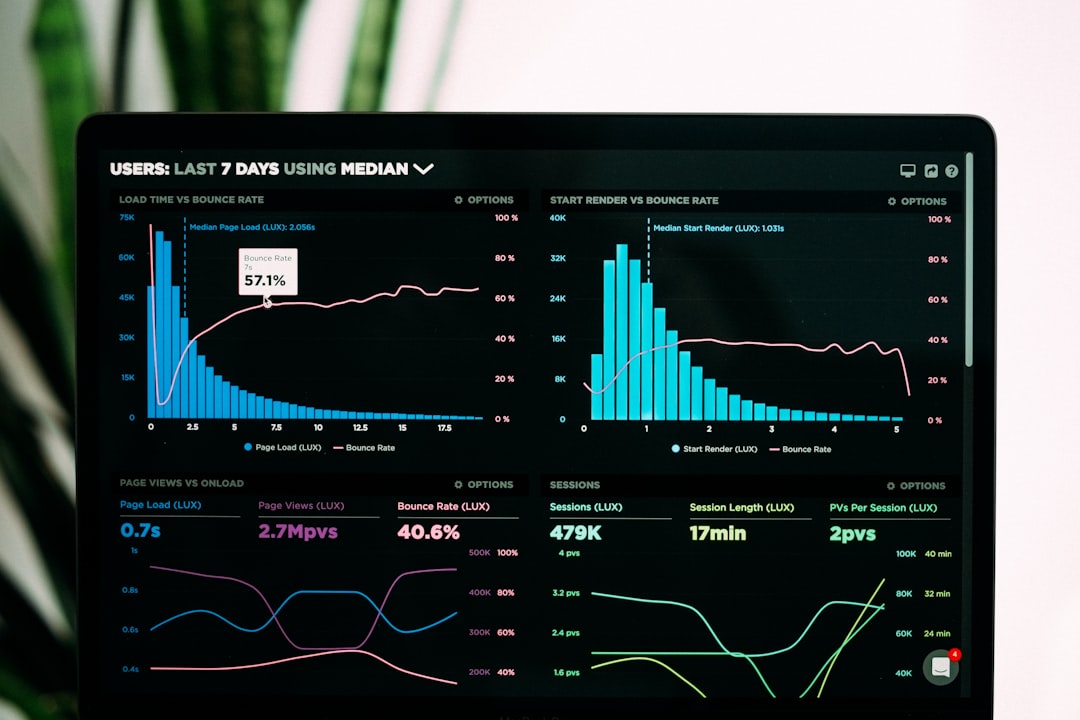
Artificial intelligence is often described as a machine’s ability to recognize patterns, make predictions, or generate content. Contrast AI takes that idea one step further by focusing on differences: between images, behaviors, documents, transactions, customer groups, security events, and more. Instead of only asking, “What is this?” Contrast AI asks, “How is this different from that, and why does it matter?”
TLDR: Contrast AI is an approach that helps systems compare data points, detect meaningful differences, and explain what changed. For example, an enterprise fraud system might compare a user’s current payment behavior with their historical pattern and flag a transaction if it is 82% different from the normal baseline. In business settings, it is useful for fraud detection, quality control, cybersecurity, medical analysis, customer segmentation, and decision support. Its value comes from making AI insights more explainable, actionable, and context-aware.
Table of Contents
What Is Contrast AI?
Contrast AI refers to AI methods that identify, measure, and interpret differences between data objects, events, or patterns. These objects could be product photos, medical scans, legal contracts, customer profiles, financial transactions, software logs, or sensor readings from industrial machines.
Traditional AI models often classify or predict. For example, a model may classify an email as spam or not spam. Contrast AI adds another layer by explaining what makes one email different from another, or why one behavior pattern stands out from a normal baseline.
This makes it especially powerful in enterprise environments, where leaders do not just need predictions. They need reasons, comparisons, evidence, and risk indicators that help them make confident decisions.
How Contrast AI Works
At its core, Contrast AI uses machine learning techniques to compare representations of data. These representations are often called embeddings, which are numerical versions of text, images, audio, behavior, or other information. Once data is converted into this format, AI can calculate how similar or different two items are.
For example, a contract analysis system can compare a new supplier agreement against thousands of previously approved contracts. It may detect that the new document contains unusual payment terms, missing liability clauses, or language that differs significantly from the company’s standard policy.
Contrast AI can be powered by several techniques, including:
- Contrastive learning: Training models to understand which data points are similar and which are different.
- Anomaly detection: Identifying data that does not match expected patterns.
- Similarity scoring: Measuring how close or distant two items are.
- Baseline comparison: Comparing current activity against historical or expected behavior.
- Explainable AI methods: Showing which features caused the difference or alert.
Key Features of Contrast AI
Contrast AI is valuable because it does more than produce a simple yes-or-no result. It provides context. The following features make it especially useful for modern organizations.
1. Difference Detection
The primary feature is the ability to identify meaningful differences. A retail company can compare customer buying behavior before and after a pricing change. A bank can compare normal login habits with suspicious account activity. A manufacturer can compare a product image from the assembly line against a quality standard.
2. Contextual Explanations
Good Contrast AI systems do not simply say, “This is abnormal.” They explain why. For example, a cybersecurity platform might report that a login attempt is risky because it came from a new location, used an unfamiliar device, occurred at 3:12 a.m., and followed three failed password attempts.
3. Similarity Search
Contrast AI can find items that are similar to a selected example. This is useful in legal research, product recommendations, medical image retrieval, and knowledge management. Instead of searching by keywords alone, users can search by meaning, structure, behavior, or visual similarity.
4. Real-Time Monitoring
Enterprises can use Contrast AI to monitor streams of data in real time. This includes financial transactions, network activity, supply chain movements, machine performance, and customer interactions. When a pattern changes sharply, the system can alert teams before the issue becomes costly.
5. Decision Support
By showing differences and evidence, Contrast AI supports human decision-making. It is not just automation; it is augmented intelligence. Managers, analysts, doctors, engineers, and compliance officers can review AI-generated comparisons and make better judgments.
Important Use Cases of Contrast AI
Contrast AI has applications across many industries because comparison is a universal business need. Organizations constantly compare performance, risk, quality, behavior, and outcomes.
Fraud Detection in Finance
Fraud detection is one of the clearest use cases. Contrast AI can compare a transaction against a customer’s usual behavior, peer group behavior, and known fraud patterns. If a customer typically spends under $200 locally but suddenly attempts a $4,900 purchase from another country, the system can detect a major contrast and trigger verification.
Healthcare and Medical Imaging
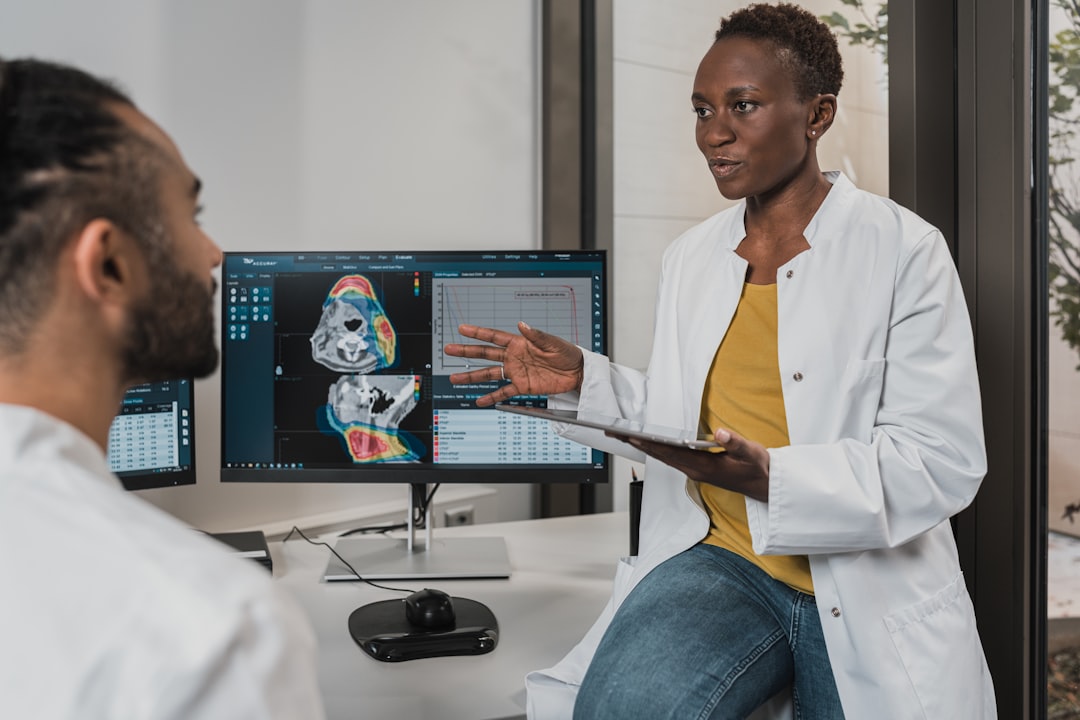
In healthcare, Contrast AI can compare medical scans over time. A radiology system may compare a patient’s current MRI with a previous scan and highlight subtle changes in tissue, tumor size, or inflammation. This helps doctors detect progression earlier and reduce the risk of overlooking small but important differences.

Cybersecurity Threat Detection
Cybersecurity teams rely heavily on contrast. They need to know when user behavior, network traffic, or system activity differs from normal patterns. Contrast AI can detect unusual login locations, abnormal file downloads, strange API calls, or lateral movement inside a network. This helps security teams prioritize alerts and reduce noise.
Manufacturing Quality Control
Factories can use computer vision models to compare finished products against ideal examples. A Contrast AI system can identify scratches, incorrect dimensions, missing components, or color inconsistencies. In high-volume production, even a 1% improvement in defect detection can save significant costs.
Marketing and Customer Segmentation
Marketing teams can use Contrast AI to compare customer groups. For example, they may discover that loyal customers are 35% more likely to interact with educational content, while discount-driven customers respond best to limited-time offers. These insights help teams create more relevant campaigns.
Legal and Compliance Review
Legal departments can compare contracts, policies, and regulatory documents. Contrast AI can flag unusual clauses, missing language, or deviations from approved templates. This speeds up review and reduces risk, especially for enterprises managing thousands of documents.
Enterprise AI Applications
Enterprise environments are complex. They involve multiple systems, large datasets, strict compliance requirements, and many stakeholders. Contrast AI fits well because it can connect data from different sources and turn differences into clear business signals.
Common enterprise applications include:
- Risk management: Comparing current risk indicators against historical baselines.
- Customer experience: Detecting changes in sentiment, churn probability, or service behavior.
- Operations: Monitoring process deviations across warehouses, factories, and support centers.
- Human resources: Comparing workforce trends, attrition patterns, or skills gaps.
- Procurement: Identifying unusual vendor pricing, contract changes, or delivery delays.
- IT service management: Detecting abnormal application performance or infrastructure behavior.
For example, a global logistics company could use Contrast AI to compare delivery routes in real time. If one region shows a 24% increase in delays compared with similar routes, the system can investigate possible causes such as weather, staffing shortages, customs bottlenecks, or vehicle downtime.
Benefits for Business Leaders
The biggest advantage of Contrast AI is that it makes AI more practical for decision-makers. Business leaders often do not want a black-box prediction. They want to know what changed, how large the change is, whether it is unusual, and what action should follow.
Key benefits include:
- Faster detection: Teams can identify problems earlier.
- Better explanations: AI outputs become easier to trust and audit.
- Improved efficiency: Employees spend less time manually comparing data.
- Reduced risk: Unusual behavior, defects, and compliance issues can be flagged sooner.
- More personalized decisions: Companies can tailor actions based on meaningful differences between customers, products, or events.
Challenges to Consider
Despite its advantages, Contrast AI is not magic. It depends on high-quality data, relevant baselines, and careful model governance. If the historical data is biased, incomplete, or outdated, the system may highlight the wrong differences or miss important ones.
Enterprises should also consider privacy, explainability, and integration. A model that compares employee behavior, customer activity, or financial records must be implemented with strong security and ethical safeguards. Teams should define what data is used, how alerts are reviewed, and who is responsible for final decisions.
The Future of Contrast AI
As AI systems become more embedded in enterprise workflows, Contrast AI will likely become a standard capability. Future platforms will not only generate answers; they will compare outcomes, explain differences, and recommend next steps. This will be especially important in regulated industries where transparency matters.
In many ways, Contrast AI reflects how humans think. We understand the world by comparing: today versus yesterday, normal versus unusual, safe versus risky, standard versus exceptional. By giving machines a stronger ability to detect and explain those contrasts, enterprises can turn raw data into sharper insight and better action.
Contrast AI is not just about finding differences. It is about finding the differences that matter most, explaining them clearly, and helping organizations respond with confidence.