
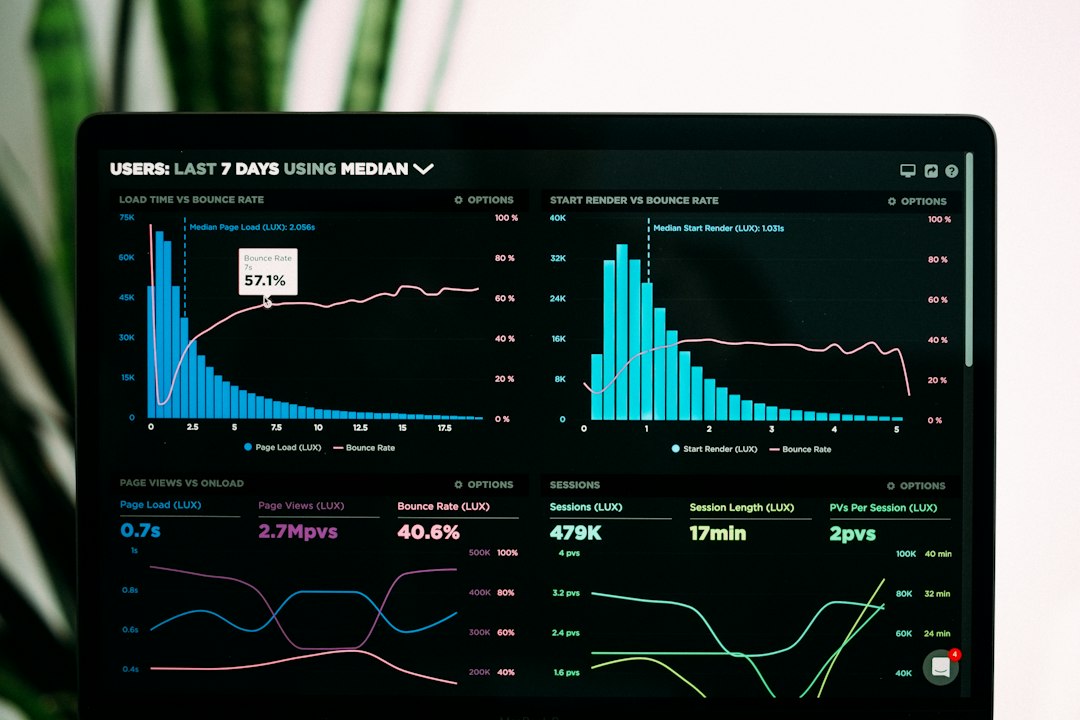
Use Similarweb for market visibility. Use Semrush for search visibility. If you want to know who gets traffic, where it comes from, and how big a rival is, start with Similarweb. If you want to know why you rank, what keywords you miss, and how to fix SEO, start with Semrush.
TLDR: Similarweb is best for seeing the whole traffic picture. Semrush is best for seeing the Google search picture. For example, Similarweb may show that a competitor gets 1.2 million monthly visits, with 38% from referrals and 31% from search. Semrush may then show they rank for 18,000 keywords, while you rank for only 4,200, which tells you where the SEO gap is.
Table of Contents
What “online presence analysis” really means
Online presence analysis sounds fancy. It is not. It means asking simple questions.
- Can people find your brand?
- Where do visitors come from?
- Which channels work?
- Who is beating you?
- Why are they beating you?
That is it. No wizard robe needed.
Both Similarweb and Semrush help with this. But they do not solve the same problem. Treating them as twins is where teams get into trouble. One is more like a market radar. The other is more like an SEO tool belt.
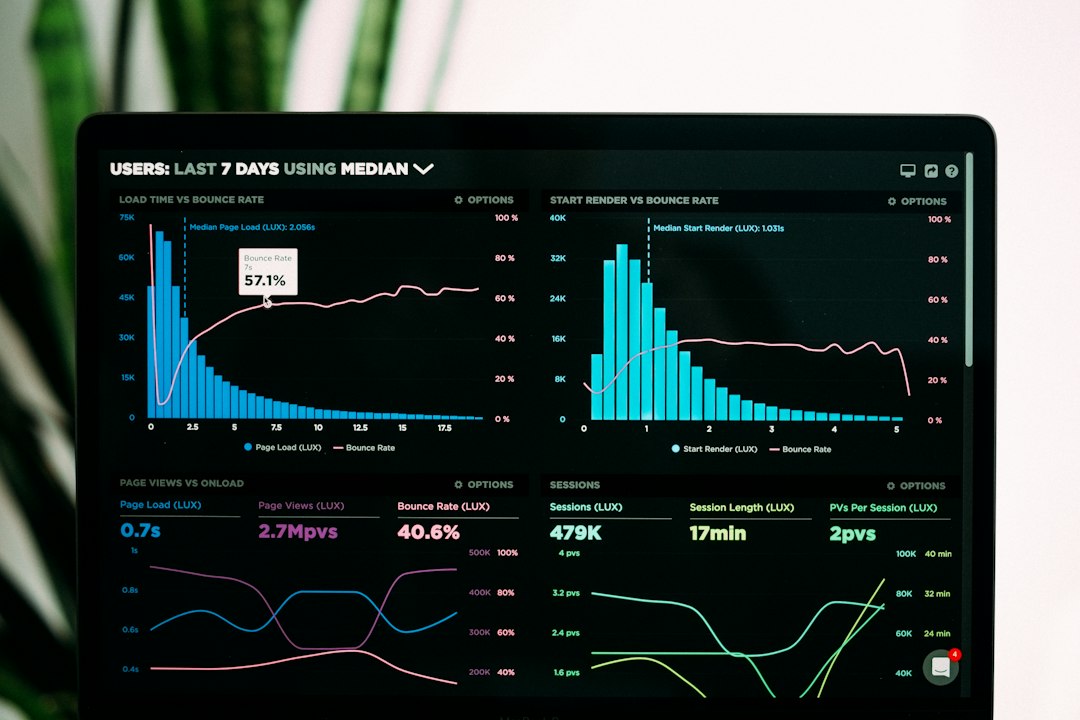
Similarweb: the “how big is this website?” tool
Similarweb is great when you want a quick read on digital reach. It estimates website visits, traffic sources, audience interests, geography, engagement, and competitor share.
It answers questions like:
- How much traffic does this site get?
- Is traffic rising or falling?
- Do visitors come from search, social, paid ads, referrals, or direct visits?
- Which countries matter most?
- Which competitors are in the same traffic neighborhood?
This makes Similarweb useful for market research. It is also handy for sales teams, investors, agencies, and growth teams. You can spot a fast moving rival before they start stealing your lunch.
The catch is… Similarweb uses estimates. For smaller sites, the numbers can wobble. Sometimes they wobble like a shopping cart with one cursed wheel. It is still useful. Just do not treat every visit count as carved in stone.
Semrush: the “why are they ranking?” tool
Semrush is strongest in SEO and PPC research. It shows keywords, rankings, backlinks, ads, content gaps, site health, and competitor search strategy.
It answers questions like:
- Which keywords bring traffic?
- Which pages rank best?
- What keywords do competitors rank for?
- What backlinks help them?
- Are technical SEO errors hurting your site?
If Similarweb tells you a rival is getting more traffic, Semrush helps explain how. Maybe they rank for 900 keywords you do not target. Maybe they have 2,300 referring domains. Maybe their blog is quietly printing clicks while your blog sits there like a sad office plant.
Semrush also gives practical tools. You can track rankings. Run site audits. Build keyword lists. Check backlinks. Review paid search copy. It is less “big picture only” and more “fix this thing now.”
The big difference in one simple table
| Need | Better pick | Why |
|---|---|---|
| Total website traffic estimates | Similarweb | Stronger for high level traffic and channel mix. |
| Keyword research | Semrush | Deeper keyword data and SEO tools. |
| Competitor market share | Similarweb | Good for comparing traffic across brands. |
| SEO audits | Semrush | Finds technical issues and ranking blockers. |
| Paid search research | Semrush | Shows ads, keywords, and spend clues. |
| Audience geography | Similarweb | Clearer view of country level traffic. |
A quick user case: the snack brand mystery
Imagine a small snack brand called Crunchy Moon. It sells protein chips online. Sales are flat. The team suspects a rival is eating their traffic. Rude, but possible.
First, they open Similarweb. They compare their site with a competitor, Snack Rocket.
- Crunchy Moon: 85,000 estimated monthly visits.
- Snack Rocket: 310,000 estimated monthly visits.
- Snack Rocket gets 44% of visits from organic search.
- Crunchy Moon gets only 19% from organic search.
Now the team knows the problem. Snack Rocket is not just “more popular.” It is pulling much more unpaid search traffic.
Next, they open Semrush. They find that Snack Rocket ranks for 6,800 keywords. Crunchy Moon ranks for 1,150. Even worse, Snack Rocket owns phrases like “high protein chips,” “healthy nacho snacks,” and “low carb crunchy snacks.” Those terms have buying intent. That means people search them while ready to spend money.
Now the plan is clear. Crunchy Moon needs SEO content, better product pages, and backlinks. Similarweb found the traffic gap. Semrush found the keyword gap.
Where Similarweb wins
Similarweb wins when you need a fast, broad view. It is brilliant for boardroom questions. “Are we gaining share?” “Which channel is growing?” “Is this partner site worth our time?”
It also helps when you do not own the website. That is the fun part. You can study competitors, publishers, marketplaces, and apps from the outside.
Best uses include:
- Competitive traffic benchmarking
- Channel mix analysis
- Market sizing
- Audience geography checks
- Referral source discovery
It feels like looking at the scoreboard. You may not see every play. But you know who is winning.
Where Semrush wins
Semrush wins when you need action. It is built for SEO teams, content teams, PPC teams, and agencies that need tasks, not just charts.
It can show the keyword that dropped yesterday. It can show the page with missing tags. It can show the backlink your rival got from an industry blog. It can also show where your paid search budget may be leaking.
Honestly, it feels like Semrush has a tool for everything. That is useful. It can also be annoying. New users may spend 10 extra minutes clicking around before finding the one report they needed. There are many buttons. So many buttons.
Best uses include:
- Keyword gap research
- Rank tracking
- Technical SEO audits
- Backlink analysis
- Content planning
- Paid search research
Accuracy: yes, we need to talk about it
No third party tool has perfect data. Not Similarweb. Not Semrush. Not any tool with a shiny dashboard and a confident chart.
Both use data models. Both estimate. Both can miss things. Your own analytics tool, such as GA4 or server logs, is still the closest source for your actual site data.
Use these platforms for direction, not courtroom evidence. If Similarweb says a rival grew by 22%, take that as a signal. If Semrush says your page ranks at position 8, verify it with rank tracking and Search Console. Trust patterns more than single numbers.
Which one should you choose?
Pick Similarweb if your main question is, “How visible is this website across the web?”
Pick Semrush if your main question is, “How do we improve our visibility in search?”
Pick both if digital visibility really matters to your business. Use Similarweb to spot the race. Use Semrush to train for it.

A simple workflow that works
- Start with Similarweb. Compare traffic, channels, geography, and top competitors.
- Find the weak channel. Maybe search is low. Maybe referrals are missing. Maybe social is doing nothing.
- Move to Semrush. Study keywords, backlinks, SEO errors, and content gaps.
- Build a 30 day action list. Fix technical issues. Write missing pages. Chase better links.
- Check again monthly. Watch traffic share and keyword growth together.
This keeps things simple. No data swamp. No endless report theater. Just find the gap, fix the gap, measure the gap again.
Final verdict
Similarweb and Semrush are not enemies. They are different lenses. Similarweb shows visibility at the market level. Semrush shows visibility at the search level.
If you only need traffic benchmarking, Similarweb is the cleaner choice. If you need SEO growth, Semrush is the better daily tool. If you want the strongest view, pair them. One tells you who is loud online. The other tells you how they got the microphone.