
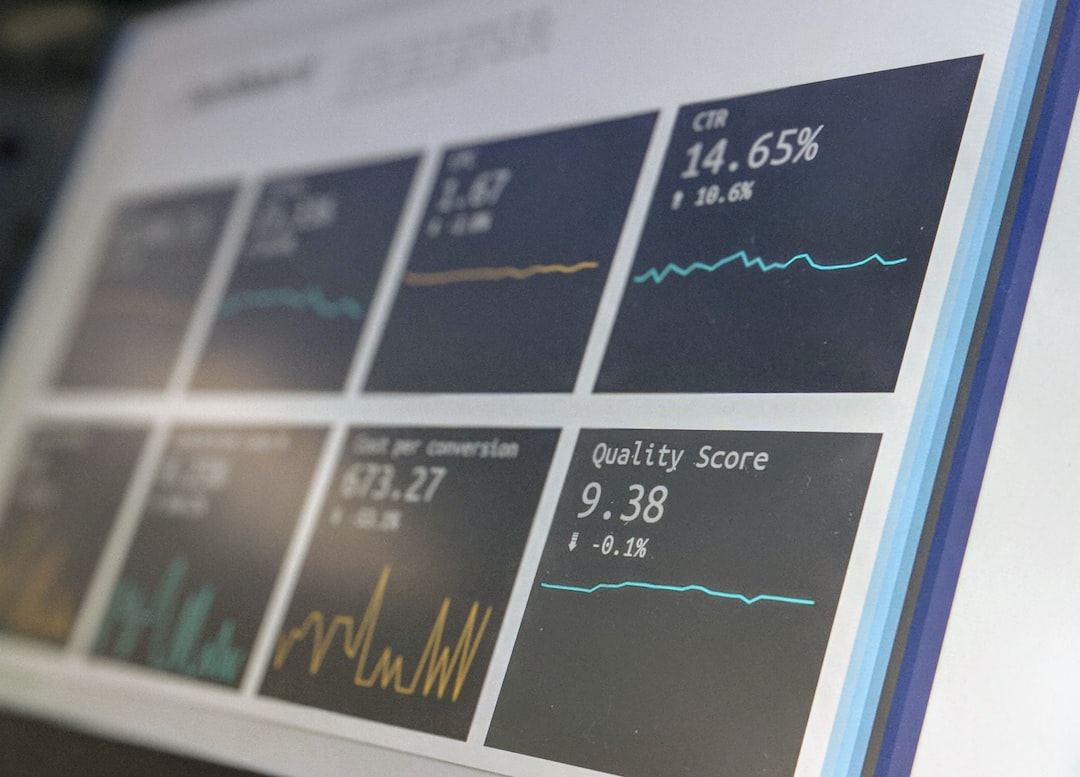
Track brand health as a repeatable system, not a once-a-year perception study. The strongest programs measure four areas together: awareness, sentiment, reputation, and customer loyalty. Each metric tells only part of the story. Together, they show whether people know you, trust you, prefer you, and return to you.
TLDR: Brand health tracking works best when marketing, customer experience, and commercial data sit in one clear scorecard. For example, a software company might find that aided awareness rose from 42% to 58% after a campaign, while negative sentiment also increased by 9% due to support delays. That means the brand is more visible, but not necessarily healthier. A serious brand health program catches that early and points teams toward the real issue.
Table of Contents
What Brand Health Metrics Really Measure
Brand health is the condition of your brand in the mind of the market. It reflects how familiar people are with you, what they feel about you, how credible you seem, and whether customers keep choosing you.
A weak brand health system looks at vanity numbers only. Mentions, impressions, and clicks can be useful, but they are not enough. A strong system connects perception to behavior. That means combining survey data, social listening, review analysis, search data, sales trends, retention data, and customer feedback.
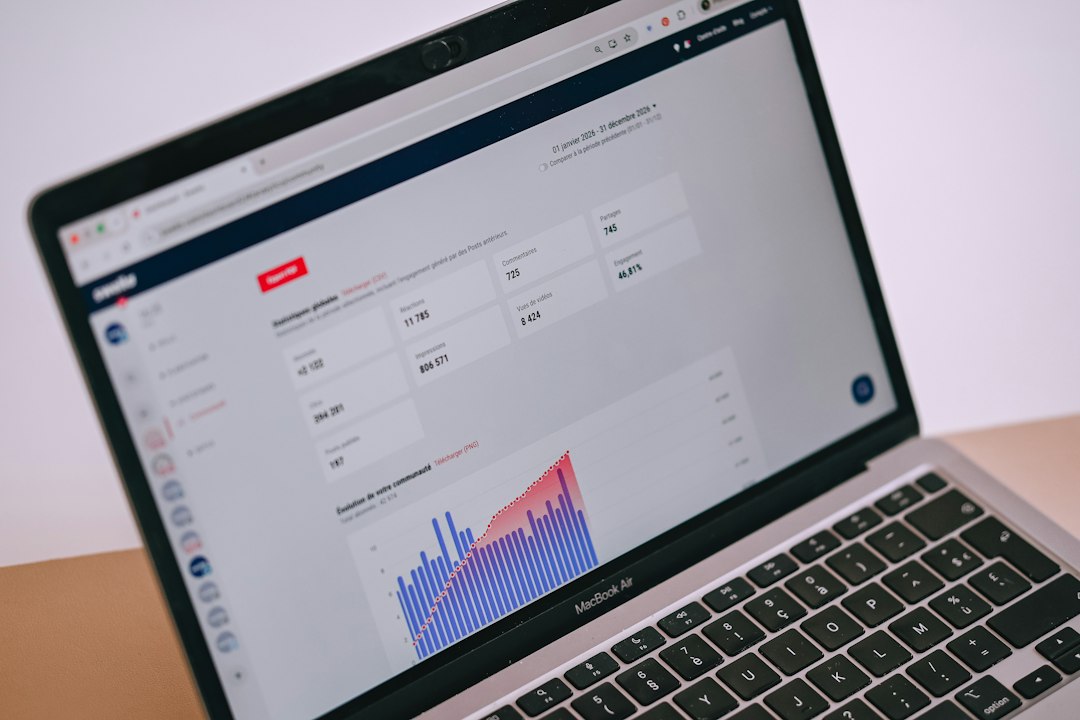
1. Awareness Metrics: Do People Know You Exist?
Awareness measures how many people recognize or recall your brand. It is the first layer of brand health. If people do not know you, they cannot prefer you.
Track awareness through:
- Unaided awareness: The percentage of people who name your brand without prompts.
- Aided awareness: The percentage who recognize your brand when shown a list.
- Share of search: Your brand search volume compared with competitors.
- Direct traffic: Visits from people typing your URL or using bookmarks.
- Social and media reach: The size and quality of your earned visibility.
Unaided awareness is especially valuable because it shows mental availability. If buyers recall your brand before seeing a prompt, your position is stronger. Aided awareness is useful too, but it can flatter the results. People may recognize a name without considering it relevant.
For serious tracking, measure awareness by audience segment. A brand may be well known among existing customers but almost invisible to new buyers. That gap matters. Segment by market, industry, age group, location, or account type.
2. Sentiment Metrics: What Do People Feel About You?
Sentiment measures whether the tone around your brand is positive, neutral, or negative. It comes from social posts, reviews, support tickets, surveys, community forums, news coverage, and call transcripts.
The most common sentiment indicators include:
- Positive, neutral, and negative mention ratios
- Sentiment trend over time
- Emotion categories, such as trust, frustration, excitement, or anger
- Topic-level sentiment, such as pricing, service, delivery, quality, or usability
The catch is that automated sentiment tools often misread sarcasm, slang, and industry terms. It drives me crazy that some tools still mark “sick product” as negative unless you train them. Plan for manual checks, especially when reporting to leadership.
Do not report sentiment as one flat number. A brand can have positive sentiment overall while showing serious anger around billing or customer support. Topic-level analysis is where the real value sits. It tells leaders what to fix.
3. Reputation Metrics: Do People Trust You?
Reputation is broader than sentiment. Sentiment can change quickly after a campaign, outage, or viral complaint. Reputation is slower moving. It reflects credibility, ethics, reliability, quality, and public trust.
Useful reputation metrics include:
- Review ratings: Average score across major review platforms.
- Review volume and recency: Fresh reviews carry more weight than old ones.
- Media quality: Positive, neutral, and negative coverage in trusted outlets.
- Trust scores: Survey-based ratings on honesty, reliability, and competence.
- Complaint rate: Complaints per 1,000 customers or transactions.
- Response time: How quickly the company replies to public issues.
Reputation tracking needs context. A 4.2-star rating may be strong in one category and weak in another. Compare against direct competitors and customer expectations. Also track the content of reviews, not just the number. A drop from 4.6 to 4.3 may look small, but if the same complaint appears 80 times in a month, the risk is real.
Reputation also depends on consistency. If your ads promise premium service but public reviews complain about slow replies, the brand gap becomes visible. Buyers notice that gap. So do employees, investors, and partners.
4. Customer Loyalty Metrics: Will People Stay and Recommend You?
Loyalty shows whether brand preference turns into repeat behavior. A brand with strong awareness but poor loyalty is paying too much to replace lost customers.
Track loyalty with:
- Net Promoter Score: How likely customers are to recommend you.
- Customer retention rate: The percentage of customers who stay over a period.
- Churn rate: The percentage who leave.
- Repeat purchase rate: How often customers buy again.
- Customer lifetime value: The estimated long-term value of a customer.
- Referral rate: The share of customers who bring in new customers.
NPS is helpful, but it is not magic. A high score means little if renewal rates are falling. Pair stated loyalty with actual behavior. Ask why promoters support the brand. Ask why detractors are unhappy. Then match those answers to purchase and retention data.
How to Build a Brand Health Scorecard
A practical scorecard should be simple enough to review every month and detailed enough to guide decisions. Use a small set of core indicators for each area.
- Awareness: Unaided awareness, aided awareness, share of search.
- Sentiment: Positive to negative ratio, sentiment by topic, complaint themes.
- Reputation: Review score, trust rating, media tone, complaint rate.
- Loyalty: Retention, churn, NPS, repeat purchase, referral rate.
Set a baseline before judging progress. If you do not know the starting point, you cannot separate improvement from noise. Track the same metrics at the same interval. Monthly reporting works for digital signals. Quarterly reporting is better for formal surveys, especially when survey samples are large enough to trust.
Honestly, it feels like many reporting platforms make this harder than it should be. Teams lose time exporting CSV files, cleaning duplicate mentions, and arguing over definitions. Write down your metric rules. Define what counts as a mention, a complaint, a loyal customer, and an active account.
Common Mistakes to Avoid
- Relying only on social media: Many buyers never post, but they still have strong opinions.
- Ignoring neutral sentiment: Neutral can mean indifference, which is dangerous for growth.
- Mixing markets: Averages hide weak regions or segments.
- Tracking too many numbers: More metrics do not always mean better insight.
- Reporting without action: A dashboard that changes nothing is just decoration.
Turning Metrics Into Decisions
Brand health data should guide budget, messaging, service improvements, product work, and risk management. If awareness is low but sentiment is strong, invest in reach. If awareness is high but reputation is weak, fix the customer experience before increasing spend. If loyalty is falling, study onboarding, pricing, support, and product quality.
The best brand teams treat measurement as an operating habit. They review movement, explain causes, assign owners, and check whether action improves the next result. That discipline turns brand health from a vague idea into a management tool.
A healthy brand is not just famous. It is recognized, trusted, preferred, and recommended. Measure all four parts with care, and you will see problems sooner, defend investment better, and make sharper decisions.