
International SEO audits should start with indexing, hreflang, canonicals, and localized landing pages before anyone touches copy or design. If search engines cannot crawl the right country pages, even brilliant translations will sit unseen. A strong audit checks whether each market has clean technical signals, relevant content, and local trust cues. It also finds waste, such as duplicate pages, wrong currency, mixed languages, or traffic landing in the wrong country folder.
TLDR: A global website audit should compare each country or language version against three areas: technical SEO, content quality, and localization accuracy. For example, an ecommerce brand may find that 28% of Spanish users land on the Mexican site instead of the Spain site because hreflang points to the wrong URL. After fixing hreflang, canonicals, and localized product copy, the same brand could see international organic conversions rise by 12% over one quarter. The checklist below helps teams catch those problems before they drain rankings and revenue.
Table of Contents
1. Map Every International URL First
An audit should begin with a full URL inventory. The auditor should list all regional and language versions, including subfolders, subdomains, country code domains, and parameter-based URLs. Without this map, problems hide in plain sight.
- Subfolders: example.com/fr/ or example.com/de/
- Subdomains: fr.example.com or de.example.com
- Country domains: example.fr or example.de
- Parameters: example.com?lang=fr
Parameter-based setups often cause crawl waste and duplicate content. They are not always wrong, but they need tight controls. Honestly, it feels like some platforms hide alternate language URLs three clicks deeper than they should, which turns a simple check into a 40-minute cleanup job.

2. Check Crawlability and Indexing by Market
Each international section must be crawlable and indexable if it is meant to rank. The auditor should test robots.txt, meta robots tags, HTTP status codes, XML sitemaps, and server responses for every market.
Common issues include blocked country folders, noindex tags left from staging, expired redirects, and 404 pages inside localized navigation. A German category page may be live for users but blocked for Googlebot. That single line in robots.txt can kill an entire market.
Technical checks:
- Confirm that important local pages return 200 status codes.
- Review robots.txt for accidental disallow rules.
- Check for unwanted noindex tags.
- Review XML sitemaps by language and region.
- Compare indexed URLs against submitted URLs.
- Find orphan pages with no internal links.
Search Console data should be segmented by country and directory where possible. If Japan pages receive impressions from the United States, targeting signals may be weak.
3. Audit Hreflang Tags Carefully
Hreflang is one of the most common sources of international SEO failure. It tells search engines which language or regional URL should appear for each audience. When it is wrong, users land on the wrong version. Rankings can split across duplicates.
Each hreflang cluster should include self-referencing tags and return links. If the French page points to the Italian page, the Italian page must point back. Missing return tags break the signal.
Hreflang checklist:
- Use correct ISO language codes, such as en, fr, or es.
- Use correct country codes when needed, such as en-gb or es-mx.
- Add a self-referencing hreflang tag on every page.
- Include an x-default version for global selectors or fallback pages.
- Make sure all hreflang URLs are indexable and return 200 status codes.
- Avoid pointing hreflang tags to redirected or canonicalized URLs.
The catch is that many crawlers report hreflang errors, but they do not explain the business impact. An auditor should connect errors to traffic loss, wrong-country sessions, and duplicate rankings.
4. Review Canonicals and Duplicate Content
Canonical tags must support the international setup, not fight it. A common mistake is forcing all translated pages to canonicalize back to the English version. That tells search engines to ignore the local page.
Each localized version should usually have a self-referencing canonical. Exceptions exist, but they should be intentional. If the Canadian English page and US English page are nearly identical, both can still rank when pricing, shipping, schema, and local details differ enough.
Duplicate content should be judged by market intent. A UK page using “trainers” and prices in pounds is not the same as a US page using “sneakers” and dollars, even if the product is identical.
5. Test Site Speed by Region
Performance must be measured from the countries being targeted. A site that loads in 1.8 seconds in New York may take 6.4 seconds in São Paulo or Manila. That delay hurts crawling, rankings, and conversions.
- Test Core Web Vitals by country.
- Check CDN coverage in key regions.
- Compress images for slow mobile connections.
- Review third-party scripts loaded on local pages.
- Confirm that cookie banners do not block rendering.
6. Inspect Local Keyword Targeting
Translation is not keyword research. A phrase that works in one market may sound odd or weak in another. The auditor should compare local search demand, SERP intent, and competitor language.
For example, a software company may translate “billing software” directly into French, while local users search for “logiciel de facturation.” The second phrase may carry more commercial intent. Small wording differences often decide whether the page attracts buyers or casual readers.
Content checks:
- Compare page titles against local search terms.
- Check headings for natural local phrasing.
- Review meta descriptions for market-specific value points.
- Find pages where translated text sounds robotic.
- Match content format to local SERP intent.
7. Check Localization Beyond Language
Localization means more than words. It includes currency, sizing, phone formats, addresses, legal claims, delivery details, payment methods, dates, and trust signals. A page can be grammatically correct and still feel foreign.
An audit should review whether each market version answers local buyer concerns. German users may expect clear privacy information. Japanese users may expect detailed product specs. US users may care more about fast shipping and return windows.
- Currency: Prices should match the target country.
- Units: Use local measurements where expected.
- Dates: Avoid confusing formats such as 04/05/2026.
- Payments: Show popular local options.
- Legal: Match local compliance and disclosure rules.
- Trust: Add reviews, badges, and support details relevant to the market.
8. Review Internal Linking Across Markets
Internal links should help users stay in the correct language or country version. A French blog post should not send visitors to an English product page unless there is no local equivalent. Language switchers should also point to equivalent pages, not just homepages.
Auditors should check header menus, footers, breadcrumbs, related articles, and product recommendations. Broken local paths often appear after migrations or CMS updates. Expect to waste time on menu audits if the site has separate regional editors and no shared rules.
9. Validate Structured Data
Structured data should match the visible local content. Product schema should show the correct price, currency, availability, reviews, and shipping details. Organization schema should reflect local branches where relevant.

Incorrect schema can create trust issues in search results. If the page displays euros but schema lists US dollars, search engines may ignore the markup or show confusing snippets.
10. Measure Results by Country and Language
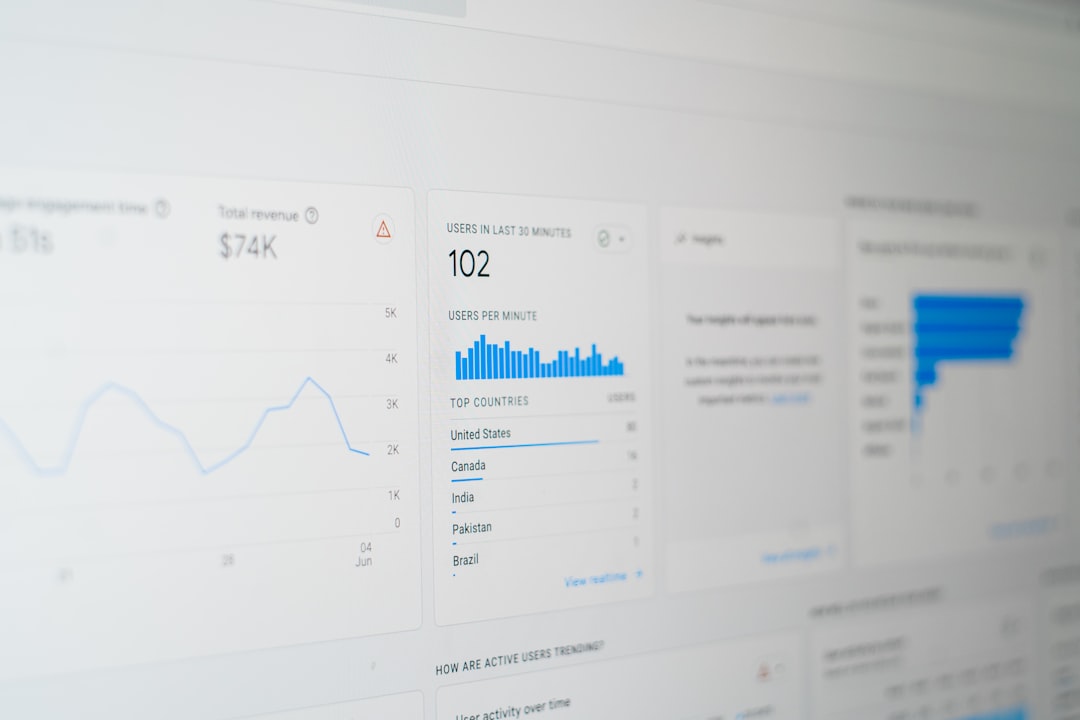
An international SEO audit is incomplete without analytics. The auditor should review organic sessions, conversions, revenue, assisted conversions, bounce rate, and engagement by country and landing page group.
Useful segments include:
- Organic traffic by country.
- Organic conversions by language folder.
- Wrong-country landing sessions.
- Pages with impressions but few clicks.
- Pages with clicks but poor conversions.
A strong report should rank fixes by impact. Blocking a country folder is urgent. Rewriting a weak meta description is useful, but less critical. Teams need order, not a giant spreadsheet of pain.
FAQ
What is an international SEO audit?
An international SEO audit reviews how well a website performs across different countries and languages. It checks technical setup, hreflang, content, indexing, localization, and analytics.
How often should global websites be audited?
Large global sites should be audited at least twice per year. Sites with frequent launches, migrations, or new markets may need quarterly checks.
Is hreflang required for international SEO?
Hreflang is not always required, but it is highly useful when similar pages target different languages or regions. It helps search engines serve the correct version to users.
Should a site use subfolders, subdomains, or country domains?
Subfolders are often easier to manage and consolidate authority. Country domains can build local trust but require more resources. The best choice depends on budget, market size, and technical control.
What is the biggest mistake in international SEO?
The biggest mistake is treating translation as localization. Successful global SEO needs local keyword research, technical accuracy, market-specific trust signals, and clean analytics tracking.