

Revenue cycle teams should treat eligibility automation as the first domino. If it falls the right way, claims move faster, denials drop, and staff stop doing the same tiny chores 400 times a day. That is why InnovAge RPA automation, revenue cycle eligibility tools, and related press releases are worth watching. They show where healthcare billing is going next.
TLDR: Eligibility automation is becoming the front door of cleaner revenue cycle work. For example, if a care program checks 1,000 visits each month and 12% have eligibility issues, automation that cuts errors by 50% can prevent about 60 messy claims. That means fewer phone calls, fewer denials, and less “Why is this still pending?” energy. The five big trends are smarter bots, better payer checks, denial prevention, human friendly dashboards, and automation built for compliance.
Table of Contents
Why eligibility gets so much attention
Eligibility sounds boring. It is not. It is the moment where a provider asks, “Will this plan pay for this person, for this service, on this date?”
If the answer is wrong, the bill gets ugly.
A small mistake can lead to a denied claim. Then a staff member has to fix it. Then someone calls the payer. Then someone checks a portal. Then someone updates the system. Honestly, it feels like watching a printer jam in slow motion.
RPA, or robotic process automation, helps with this. A bot can log into payer portals. It can pull eligibility data. It can compare records. It can flag missing details. It can do this at 2 a.m. without coffee.
That is why press releases about InnovAge, automation, and revenue cycle eligibility matter. They may sound corporate. Yet they often hint at real changes in how care teams get paid.
Trend 1: Eligibility checks are moving earlier
The old way was risky. Many teams checked eligibility close to the service date. Sometimes they checked after the patient arrived. Sometimes the claim went out before anyone noticed a mismatch.
That is a recipe for rework.
The new trend is simple. Check early. Check often. Check again when something changes.
Automation can run eligibility checks before an appointment. It can also rerun them the day before care. If a payer updates coverage, the bot can catch it. If a member ID is wrong, the bot can flag it.
This matters for organizations that serve seniors or complex care populations. Coverage can be layered. Benefits can shift. Authorizations may be needed. The billing path is rarely a straight line.
Fun version: The bot is like a tiny bouncer at the claim club. It checks the list before the party starts.
Trend 2: RPA is getting paired with smarter rules
Basic bots follow steps. That is useful. But it is not enough.
Newer revenue cycle automation tools are adding rules, pattern checks, and exception handling. This helps the system decide what to do when something looks weird.
For example:
- If coverage is active, the bot updates the account.
- If coverage is inactive, the bot creates a worklist item.
- If the payer portal is down, the bot retries later.
- If the plan needs authorization, the bot alerts the right team.
This is where revenue cycle automation gets more useful. It does not just move data. It helps sort the mess.
It drives me crazy that some tools still make staff click six screens to find one missing field. Better automation should not add more chores. It should remove them.
Trend 3: Denial prevention is becoming the star
Denial management used to mean fixing problems after claims came back. That is like mopping the floor while the sink is still overflowing.
Now the goal is denial prevention.
Eligibility automation can stop many denials before the claim leaves the building. It can catch inactive policies. It can spot wrong plan types. It can flag missing coordination of benefits. It can also identify patients who may need updated demographic data.
Here is a simple user case.
A billing coordinator at a senior care organization starts Monday with 180 scheduled visits. The automation tool has already checked payer eligibility for 165 of them. It found 14 issues. Eight were missing member IDs. Four needed updated coverage. Two had possible secondary payer conflicts. Instead of checking every visit by hand, the coordinator works only the exceptions.
That is the point. Humans handle judgment. Bots handle repetition.
Trend 4: Dashboards are becoming less painful
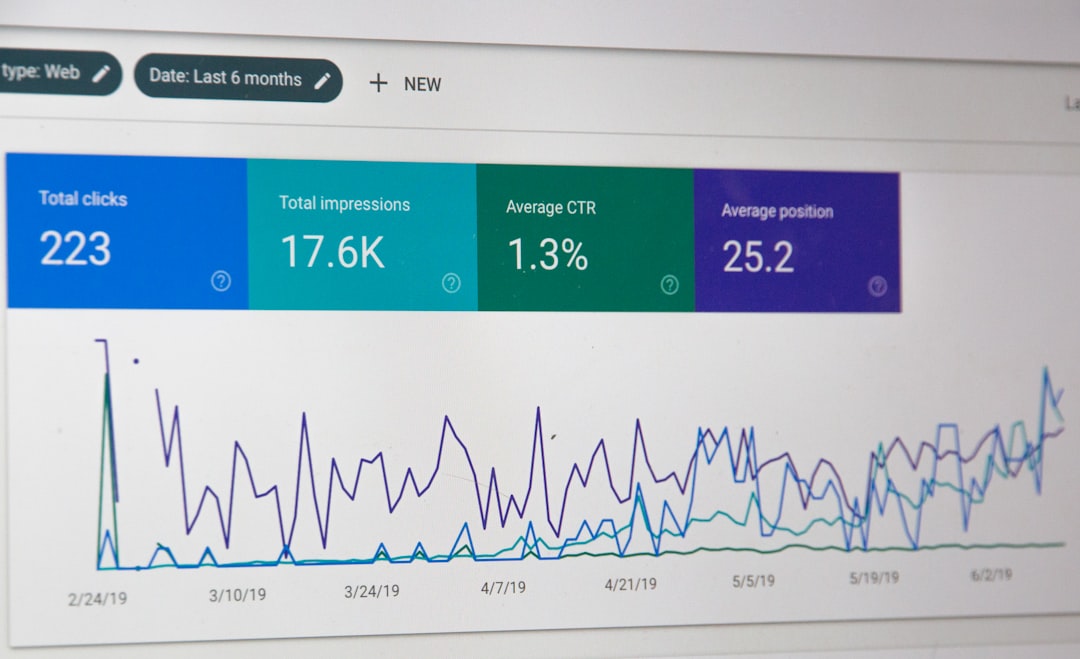
A dashboard should answer questions fast.
Too many tools do the opposite. They show 19 charts. Half have unclear labels. One takes 11 seconds to load. Everyone pretends this is fine.
Better revenue cycle dashboards are getting cleaner. They focus on action. Not decoration.
Useful dashboard items include:
- Eligibility pass rate by payer.
- Top failure reasons for each week.
- Claims at risk before submission.
- Bot success rate by portal.
- Average staff touch time per exception.
These numbers help leaders see the workflow. They also help teams talk to payers with proof.
For example, if one payer portal fails 22% of automated checks, that is not a staff problem. That is a system problem. Now the team has data to show it.
Trend 5: Compliance is being built into the workflow
Healthcare automation cannot be a wild robot party. It needs guardrails.
Eligibility workflows touch protected health information. They also connect to payer systems. That means access control, audit logs, and clear user permissions matter.
Modern RPA tools are adding stronger controls. They can track what the bot did. They can show when it logged in. They can record what data changed. They can limit who can edit rules.
This is a big deal for revenue cycle leaders. It helps them improve speed without losing control.
Good automation should answer these questions:
- Who accessed the data?
- What changed?
- When did it change?
- Why was it flagged?
- Who resolved the exception?
If a tool cannot answer those questions, expect stress later.
What press releases can tell you
Press releases are not instruction manuals. They are signals.
When a company discusses RPA automation, eligibility work, or revenue cycle improvements, pay attention to the verbs. Are they saying the tool checks, flags, updates, routes, or reports? Those words matter.
A strong release usually points to real workflow gains. It may mention fewer manual touches. It may mention faster verification. It may mention cleaner claims. It may mention better reporting.
A weak release may only talk about innovation in vague terms. That sounds nice. But it does not help a billing team at 4:45 p.m. on a Friday.
What revenue cycle teams should do next
Start with eligibility. It is small enough to measure. It is big enough to matter.
Pick three numbers before adding automation:
- Current eligibility error rate.
- Average time spent per manual check.
- Denials tied to eligibility issues.
Then track those same numbers after automation goes live. Keep it simple. If the bot saves two minutes per check across 3,000 checks per month, that is 6,000 minutes saved. That is 100 hours. That is not small.
Also ask staff what still feels annoying. They know. They always know.
The simple takeaway
Revenue cycle automation is not about replacing people with shiny bots. It is about removing dull work so people can solve real problems.
InnovAge RPA automation and revenue cycle eligibility press releases fit into a bigger shift. Healthcare teams want cleaner claims. They want fewer denials. They want faster answers. They also want tools that do not make Monday worse.
The winners will be the systems that check early, flag clearly, report honestly, and protect data. That is the automation worth watching.