
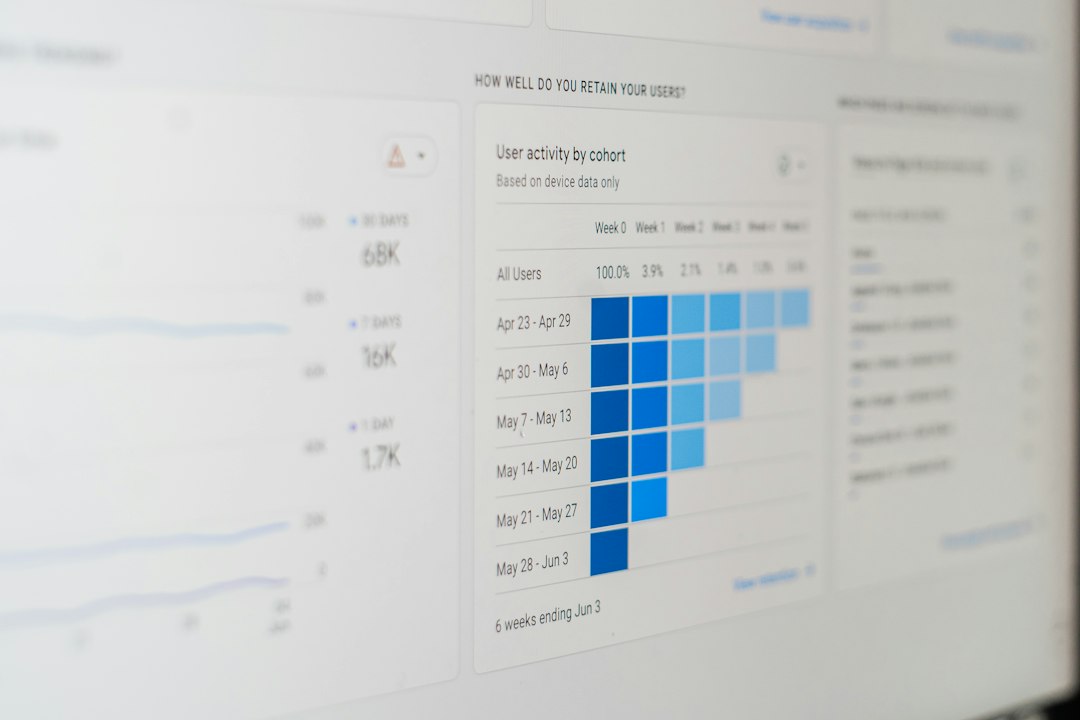
Make your SaaS brand easy to spot, easy to trust, and hard to confuse with others. That is the whole game. SaaS is crowded, and the money is huge. Gartner forecasted SaaS spending to hit $299.1 billion in 2025 [source: Gartner]. So yes, your logo matters. But your message, proof, tone, and customer experience matter more.
TLDR: SaaS brand marketing works when people can remember you, trust you, and explain why you are different. Pick one clear promise, repeat it often, and back it up with proof. For example, if a project management app helps teams cut meeting time by 28%, that number should show up on the homepage, ads, demo deck, and onboarding emails. Simple wins.
Table of Contents
1. Pick one sharp promise
Many SaaS brands try to say everything. Bad idea. It turns your homepage into soup.
Your brand needs one main idea. A short promise. Something a tired buyer can understand in three seconds.
Good examples:
- “Close support tickets twice as fast.”
- “Stop chasing invoices.”
- “Turn messy customer data into clean reports.”
Notice something? These lines are not clever for the sake of being clever. They are useful. They tell people what life looks like after using the product.
Honestly, it feels like some SaaS sites were written by a committee locked in a room with cold coffee. Too many buzzwords. Not enough meaning.
Use plain words. Say who you help. Say what pain you remove. Say what outcome you create.
2. Build a visual system people remember
Your brand should not look like every other blue-and-white SaaS tool. You know the ones. Floating cards. Smiling avatars. Random gradient blobs. We have all seen them 900 times.
A strong visual system includes:
- Color: Pick a small set and use it often.
- Typography: Use fonts that feel clean and readable.
- Product images: Show real screens, not fake mystery boxes.
- Illustration style: Keep it consistent.
- Motion: Use short animations that explain, not distract.
The goal is not to win an art award. The goal is memory. If someone sees your ad today and your email next week, they should connect the dots fast.
This matters because buyers compare many tools. If your brand looks generic, you make their job harder. And buyers do not reward hard work. They close the tab.
3. Use proof like a normal human
Trust does not appear because you say “trusted by teams everywhere.” That line is weak. It sounds nice, but it says almost nothing.
Use proof that feels real.
- Customer logos from known teams.
- Short quotes with a name, role, and company.
- Numbers like “reduced admin time by 34%.”
- Before and after stories that show pain and progress.
- Security badges if buyers care about risk.
Keep case studies short. No one wants a ten-page PDF just to learn if your app works. Give the problem. Give the fix. Give the result.
Here is a simple structure:
- Before: The team spent 12 hours a week sorting support tags.
- After: The tool sorted 81% of tickets without manual work.
- Result: Managers saved five hours each week.
That is useful. That is believable. That is brand trust in action.
4. Create a voice buyers can recognize
Your brand voice is not just jokes on social media. It is how your product sounds in every place.
That includes:
- Website copy
- Emails
- Error messages
- Product tours
- Help docs
- Sales decks
It drives me crazy when a product sounds friendly on the homepage, then turns cold inside the app. You click one thing, wait seven seconds, and get a message like “Invalid action request.” Great. Thanks, robot.
Make the voice match the brand promise. If your SaaS saves time, sound clear and direct. If it helps creative teams, sound warm and visual. If it handles finance, sound calm and precise.
Write like a person. Cut filler. Avoid fake excitement. One exclamation mark is fine. Seven feels like a hostage note.
5. Own a specific market position
Market differentiation means people know why to choose you instead of the other ten tabs open on their laptop.
You do not need to be different in every way. You need to be different in a way that matters.
You can stand out by focusing on:
- A niche: “CRM for boutique law firms.”
- A pain: “Billing without payment delays.”
- A speed claim: “Set up in one hour.”
- A service promise: “Human support in under five minutes.”
- A product angle: “Analytics made for non-technical teams.”
The tighter the position, the easier the brand is to remember. This can feel scary. Founders often want to appeal to everyone. But “everyone” is not a market. It is a fog machine.
Pick your best-fit buyer. Speak to them. Show their pain. Use their words. Build features and content around their daily problems.
A simple SaaS brand checklist
Before your next campaign, ask these questions:
- Can a new visitor explain what we do in five seconds?
- Do our ads, site, emails, and product feel like one brand?
- Do we show proof with numbers and names?
- Do we sound human inside the product?
- Do buyers know why we are different?
If the answer is “no” to any of these, fix that before spending more on ads. More traffic will not save a blurry brand. It just brings more people into the confusion.
SaaS brand marketing is not fluff. It lowers doubt. It speeds up sales. It helps users remember you when budget season arrives. Be clear. Be useful. Be consistent. Then repeat it until the market can say it back.