
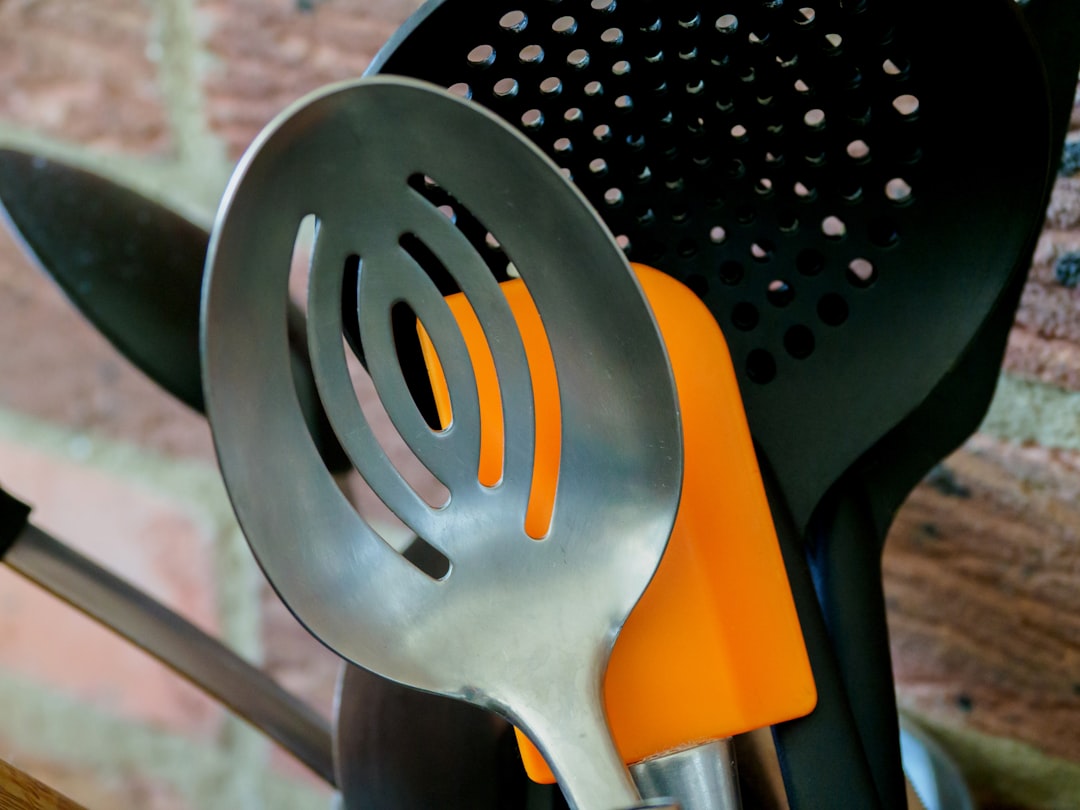
In recent years, the hospitality industry has undergone a significant transformation, fueled by rapid technological advancements. One of the most intriguing developments is the integration of robotics, notably in the design and deployment of built-up utensils—specialized tools and devices that enhance service efficiency and accessibility. As restaurants, hotels, and catering services strive for innovation and inclusivity, built-up utensils powered by robotics stand at the forefront of this revolution.
Table of Contents
TLDR
Robotic built-up utensils are revolutionizing the hospitality industry by improving efficiency, consistency, and accessibility. These tools are not only helping kitchen and service staff with more repetitive and specialized chores, but also enabling guests, particularly those with disabilities, to have a more inclusive dining experience. Despite challenges such as cost and maintenance, their benefits are shaping the future of hospitality. The integration of this technology symbolizes a meaningful step toward enhanced sustainability, productivity, and guest satisfaction.
What Are Built-Up Utensils?
Built-up utensils refer to tools that have been modified or enhanced beyond their traditional forms, often featuring larger or ergonomically designed handles, motor assistance, or adaptive features. In the realm of robotics, these enhancements go a step further. The utensils can be programmed, controlled remotely, or embedded with sensors, allowing for intelligent interaction with users or integration into broader operational systems.
In hospitality settings, these utensils serve multiple roles, including:
- Assistive feeding utensils for guests with mobility impairments.
- Precision tools for food preparation in commercial kitchens.
- Self-cleaning or self-dispensing systems, reducing human error and labor input.
By integrating these applications with robotic intelligence, the industry can improve not only utility but also user experience.
The Role of Robotics in Enhancing Utility
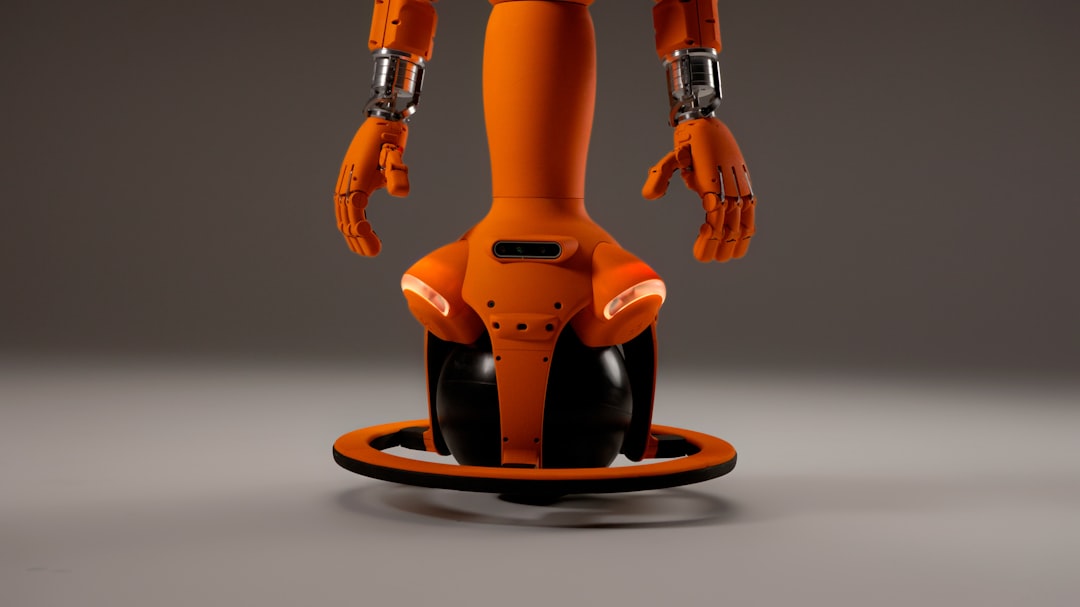
The engine behind the advancement of built-up utensils is, undeniably, robotics. Through embedded microprocessors, actuators, and sensors, these utensils can execute repetitive tasks with high precision. They drastically reduce the chances of human error and allow staff to redirect their focus to higher-value tasks like customer service or menu innovation.
Examples of robotic support in hospitality utensils include:
- Robotic arms that can handle chopping, stirring, and plating in kitchens.
- Automated cutlery systems that assist individuals with dexterity issues, making meals easier and more enjoyable.
- Smart beverage dispensers capable of calculating portions, identifying user preferences, and adjusting output in real time.
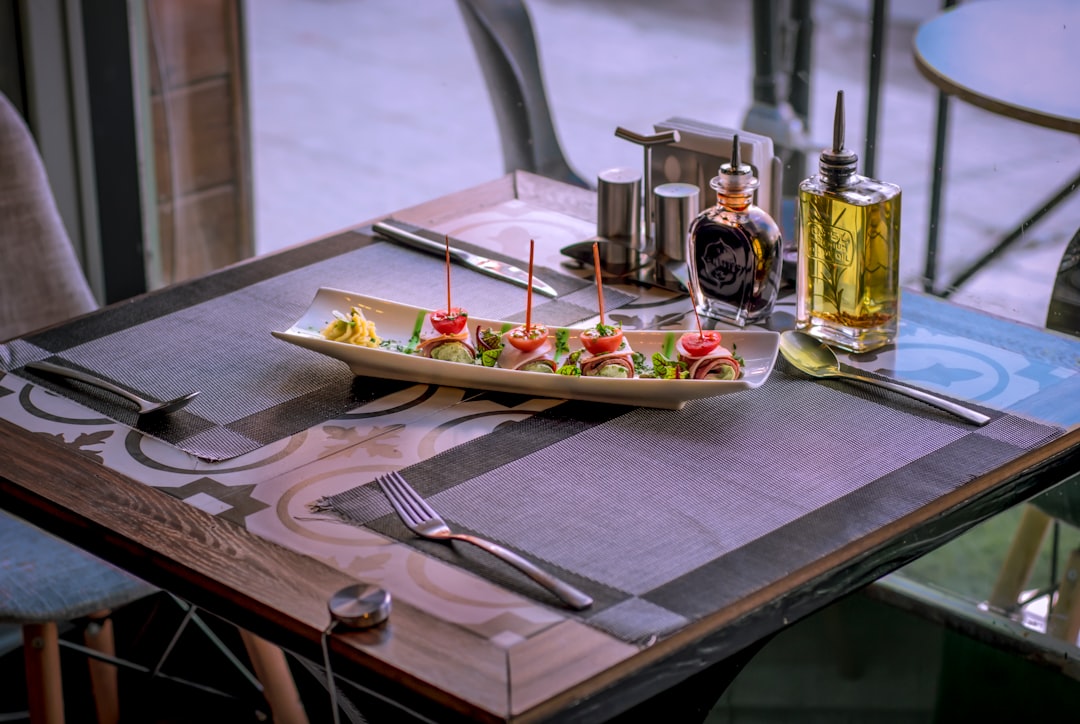
Advantages in the Hospitality Sector
The integration of robotic built-up utensils into hospitality landscapes offers multifaceted benefits:
Operational Efficiency
Robotic utensils accelerate prep times, reduce manual labor, and enable 24/7 function without fatigue. These efficiencies lead to cost savings, faster service, and increased throughput in high-traffic environments like hotels and fast-casual restaurants.
Consistency and Quality
Machines don’t tire or deviate from programmed instructions, ensuring that food quality and presentation stay uniform. This is a critical factor in branded establishments where consistency defines customer trust.
Enhanced Accessibility
One of the most socially significant applications is increased inclusion for people with disabilities. Motorized utensils that assist with feeding or voice-controlled coffee machines provide a level of independence to guests that might otherwise require assistance from staff or family members.
Sustainability
These tools often optimize ingredient usage and minimize waste via precise measurements and automated functions. Over time, this not only lowers cost but also supports broader sustainability goals.
Current Use Cases
Numerous establishments have already implemented robotic built-up utensils. For instance:
- Henn-na Hotel in Japan employs robotic staff with automated utensils to handle basic guest needs, including food delivery and dining service.
- Spyce Kitchen in Boston features robotic chefs that use built-in dispensing and cooking utensils to prepare healthy meals at consistent quality levels.
- Feeding robots such as Obi and Gyenno Spoon are being adopted in elder care and boutique dining experiences to assist guests with motor impairments.
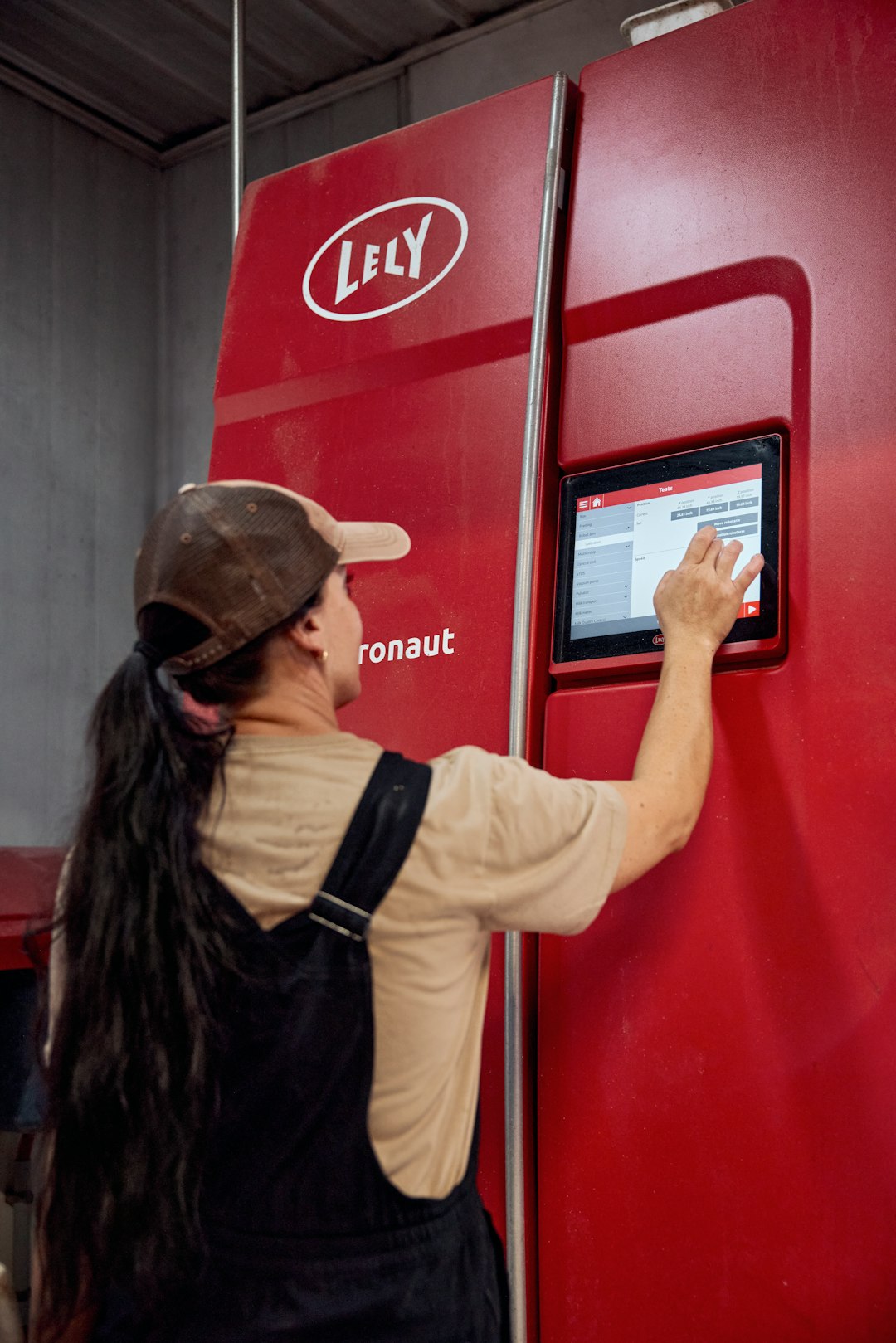
These are not just gimmicks but functional deployments aimed at productivity and inclusivity. Customer feedback in such places has been overwhelmingly positive, especially in elderly facilities where residents report a higher sense of dignity and independence.
Challenges and Considerations
While promising, robotic built-up utensils in hospitality are not without challenges:
High Initial Investment
The cost of implementation—from infrastructure upgrades to staff training—can be significant. For small businesses or developing countries, this barrier often outweighs the short- to mid-term benefits.
Maintenance and Reliability
Robotics require regular maintenance and can be subject to technical glitches. Integrating backup systems and technical support is essential to prevent operational downtime.
Social Resistance
Some customers and employees express discomfort with increased automation. The perceived erosion of “human touch” in service can be a real competitive disadvantage in emotionally driven experiences such as dining out.
Cybersecurity Concerns
Any object connected via the Internet of Things (IoT)—including robotic utensils—is vulnerable to security breaches. Ensuring encrypted communication, software updates, and data privacy protocols is non-negotiable.
Considerations for Implementation
For hospitality businesses exploring the use of robotic built-up utensils, here are strategic steps to consider:
- Conduct a needs assessment: Identify high-labor and high-error zones where these tools could yield maximum benefit.
- Invest in pilot programs: Start small, test functionality, and gather feedback before full-scale deployment.
- Focus on training: Upskill existing staff to interact fluently with these technologies rather than replace them.
- Promote inclusivity: Emphasize the accessibility benefits to win over skeptics and differentiate from competitors.
The Future Outlook
As AI continues to advance, the capabilities of built-up utensils will only expand. In the coming years, we may see utensils that adjust based on biometrics, learn individual guest preferences, or even interact conversationally using natural language processing.
Furthermore, integration with broader systems like inventory tracking or CRM solutions will allow for more intelligent, data-driven decisions shaping every plate that’s served. Ultimately, robotic utensils will not replace hospitality workers but will serve as valuable tools that redefine service standards across the board.
Conclusion
The rise of robotic built-up utensils embodies a crucial intersection of technology, human-centered design, and business strategy in the hospitality industry. By focusing on operational efficiency, consistency, accessibility, and sustainability, these innovations align with the evolving demands of both businesses and consumers. Though challenges remain in cost, maintenance, and social perception, the long-term advantages are compelling and undeniable.
As the industry continues its journey toward digital transformation, adopting such tools may no longer be optional but a competitive necessity. Businesses that lead this change will not only enhance their service capabilities but also redefine what hospitality means in a digitized world.