
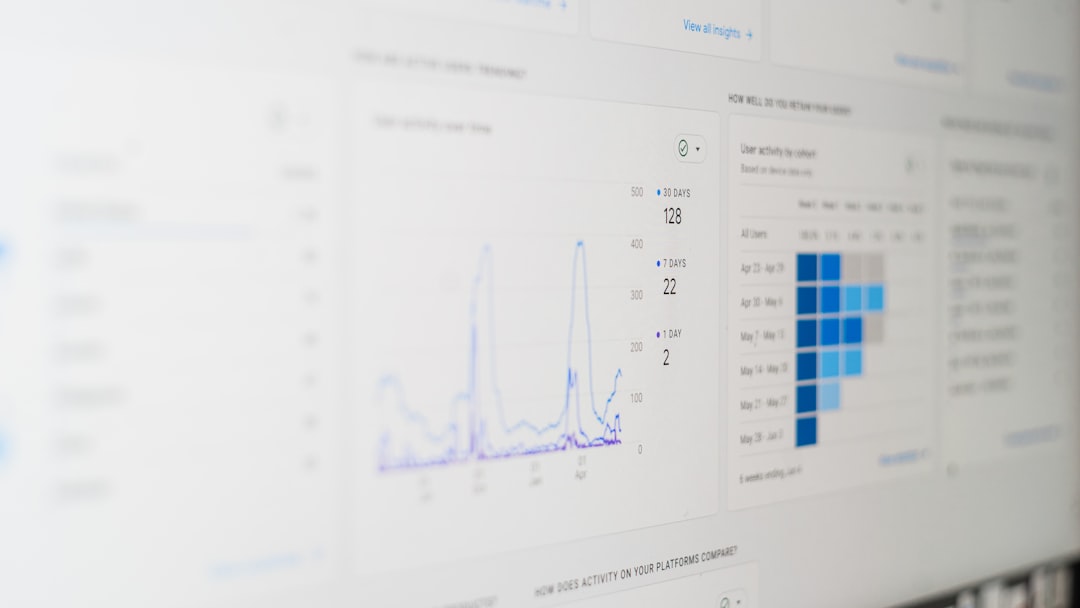
Understanding how users interact with a SaaS product is no longer optional—it is essential for survival in an increasingly competitive software market. SaaS usage analytics tools help organizations move beyond vanity metrics and uncover real insights into feature adoption, user engagement, churn risks, and overall product value. By tracking behavioral data at scale, these platforms empower product, customer success, and growth teams to make informed decisions that drive sustainable expansion.
TLDR: SaaS usage analytics tools help companies track user behavior, monitor adoption trends, and reduce churn. The right platform provides actionable insights into feature usage, engagement patterns, and customer health scores. This article explores six powerful SaaS usage analytics tools and compares their strengths to help businesses choose the best fit. A comparison chart and FAQ section at the end simplify decision-making.
Table of Contents
Why SaaS Usage Analytics Matters
SaaS businesses operate on recurring revenue, which means retention and active usage are directly linked to profitability. Without detailed analytics, companies risk building features that go unused, missing churn warning signs, or misunderstanding how customers derive value from the product.
Effective usage analytics tools provide:
- Feature adoption tracking
- User segmentation and cohort analysis
- Behavior flow visualization
- Churn prediction indicators
- Customer health scoring
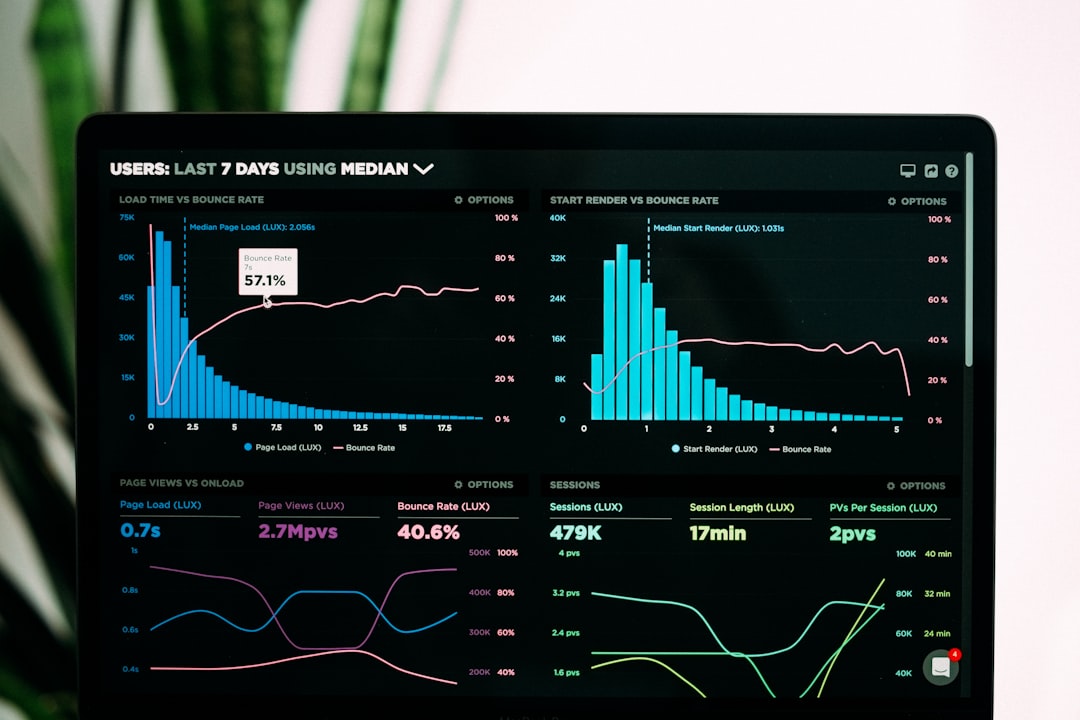
With these capabilities, organizations can align product strategy, customer success initiatives, and growth marketing efforts around real user data.
1. Mixpanel
Best for: Advanced product analytics and behavioral tracking
Mixpanel is widely recognized for its event-based tracking model. Instead of relying solely on page views, it tracks specific user actions—clicks, purchases, feature usage—and connects them into comprehensive behavioral journeys.
Key Features:
- Event-based analytics
- Funnels and retention reports
- Cohort analysis
- Revenue tracking
- Predictive trend analysis
Its Powerful Segmentation Engine allows product teams to filter users by behavior, demographics, or subscription level. This makes Mixpanel especially valuable for identifying which features drive long-term adoption.
2. Amplitude
Best for: Enterprise-grade product intelligence
Amplitude is designed for organizations seeking deep behavioral insights at scale. It provides sophisticated journey mapping that helps identify friction points within onboarding flows and feature usage paths.
Key Features:
- Behavioral cohorting
- Pathfinder and journey analytics
- Experimentation tools
- Predictive analytics
- Real-time dashboards
Amplitude stands out for its ability to uncover the “aha moment”—the key event that correlates strongly with retention. Identifying this moment allows SaaS companies to optimize onboarding for higher long-term engagement.

3. Pendo
Best for: Product analytics combined with in-app guidance
Pendo merges usage analytics with user onboarding tools. In addition to tracking engagement metrics, it allows teams to deploy in-app messages, walkthroughs, and feature announcements without heavy development effort.
Key Features:
- Feature usage tracking
- In-app guides and onboarding flows
- Net Promoter Score (NPS) surveys
- Segmentation and targeting
- Roadmap prioritization support
This dual functionality makes Pendo particularly appealing for SaaS businesses looking to improve adoption while simultaneously influencing user behavior.
4. Heap
Best for: Automatic event tracking
Heap differentiates itself by automatically capturing all user interactions, eliminating the need for predefined event tracking. This makes it ideal for teams that want flexibility without extensive implementation time.
Key Features:
- Auto-captured events
- Retroactive data analysis
- Funnel and retention reporting
- Data science integrations
- Behavioral segmentation
Because Heap records everything, product teams can ask new questions without modifying tracking codes. This can significantly accelerate experimentation cycles.
5. Gainsight
Best for: Customer success and churn reduction
Unlike standalone product analytics platforms, Gainsight focuses heavily on customer health scoring. It integrates usage data with CRM and support data to provide a holistic view of customer engagement.
Key Features:
- Customer health scoring
- Churn risk alerts
- Automated customer outreach workflows
- Executive dashboards
- Usage trend tracking
For SaaS organizations with dedicated customer success teams, Gainsight helps prioritize accounts based on engagement and renewal likelihood.
6. FullStory
Best for: Experience analytics and session replay
FullStory goes beyond traditional analytics by offering session replay capabilities. Teams can watch real user sessions to uncover usability issues, technical bugs, or confusing workflows.
Key Features:
- Session replays
- Heatmaps
- Friction detection signals
- Conversion funnels
- Error tracking integration

This qualitative insight complements quantitative metrics, allowing teams to see not just what users do—but why they struggle.
Comparison Chart
| Tool | Primary Strength | Best For | In-App Guidance | Session Replay | Customer Health Scoring |
|---|---|---|---|---|---|
| Mixpanel | Event-based analytics | Product teams | No | No | Limited |
| Amplitude | Behavioral intelligence | Enterprise SaaS | No | No | Limited |
| Pendo | Analytics + guidance | Adoption optimization | Yes | No | No |
| Heap | Automatic data capture | Agile teams | No | No | No |
| Gainsight | Customer success insights | Retention-focused teams | No | No | Yes |
| FullStory | Experience analytics | UX teams | No | Yes | No |
Choosing the Right Tool
Selecting the ideal SaaS usage analytics platform depends on business objectives:
- If the goal is deep behavioral analysis, Mixpanel or Amplitude may be ideal.
- If improving onboarding and feature adoption is the top priority, Pendo offers built-in engagement tools.
- For teams that need quick implementation without exhaustive tracking setup, Heap provides automatic event collection.
- Organizations focused on reducing churn and managing enterprise accounts may benefit most from Gainsight.
- UX-focused teams looking to improve digital experiences can leverage FullStory’s session replay features.
Ultimately, high-growth SaaS companies often combine two or more tools—for example, pairing behavioral analytics with customer success insights—to create a comprehensive data ecosystem.
Final Thoughts
SaaS usage analytics tools have evolved beyond simple dashboards. Today, they provide predictive insights, real-time segmentation, and qualitative experience data that deeply inform product strategy. Companies that leverage these platforms effectively can refine onboarding, prioritize the right features, reduce churn, and maximize lifetime value.
As competition intensifies, businesses that truly understand how customers interact with their software will have a decisive advantage. Investing in the right analytics stack is not just a technical decision—it is a strategic one.
Frequently Asked Questions (FAQ)
1. What are SaaS usage analytics tools?
SaaS usage analytics tools track and analyze how users interact with a software application. They measure feature adoption, user engagement, behavior patterns, and churn indicators to help improve product performance and retention.
2. Why is feature adoption tracking important?
Feature adoption tracking reveals which product capabilities users find valuable. It helps product teams decide what to enhance, deprecate, or simplify, ensuring development resources are allocated effectively.
3. How do usage analytics tools reduce churn?
They identify warning signs such as declining logins, reduced feature usage, or incomplete onboarding flows. Teams can intervene early with targeted outreach or in-app support, improving retention rates.
4. Are these tools suitable for startups?
Yes. Many platforms offer scalable pricing models suitable for early-stage startups. Tools like Heap and Mixpanel are commonly adopted by growing SaaS businesses seeking data-driven growth.
5. Can multiple analytics tools be used together?
Absolutely. Many SaaS companies combine behavioral analytics platforms with customer success software or session replay tools to gain a holistic understanding of user adoption and engagement.
6. What is the difference between product analytics and customer success analytics?
Product analytics focuses on in-app behavior and feature usage, while customer success analytics integrates usage data with account-level metrics such as renewals, support interactions, and health scores.
By leveraging the right SaaS usage analytics tools, organizations can transform raw behavioral data into actionable insights that power sustainable growth and long-term user adoption.