
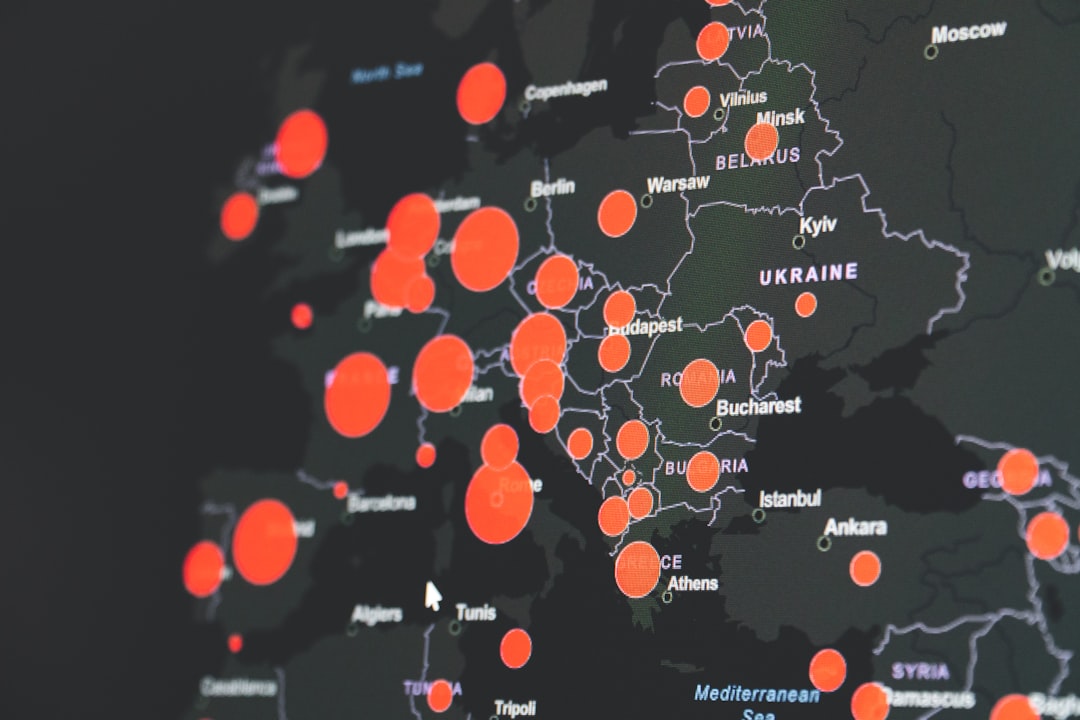
In 2026, global keyword research is no longer a tactical SEO activity—it is a strategic function that guides product development, market entry, paid media allocation, and international growth. As search behavior fragments across regions, languages, devices, and platforms, businesses must rely on accurate and scalable keyword intelligence to remain competitive. The quality of your keyword data directly affects forecasting accuracy, content relevance, and advertising efficiency. Selecting the right sources for global keyword data has therefore become a critical decision for marketing leaders and growth teams.
TLDR: Reliable global keyword data in 2026 comes from a combination of traditional search engine tools, advanced SEO platforms, paid media datasets, alternative search ecosystems, and first-party analytics. No single source provides complete coverage, particularly across emerging markets and multilingual regions. The most accurate insights come from triangulating multiple datasets and validating them against real performance data. Companies that invest in diversified keyword intelligence gain clearer market signals and more predictable growth.
Table of Contents
1. Search Engine Native Tools
The foundation of global keyword research remains the data provided directly by search engines. While not exhaustive, these tools offer authoritative insights into demand patterns and advertising competitiveness.
- Google Keyword Planner: Still the primary starting point for global search volume data. It provides country-specific volume estimates, competition metrics, and CPC projections.
- Google Search Console: Provides first-party performance data for queries already generating impressions and clicks.
- Bing Webmaster Tools: Particularly relevant in North America and specific enterprise verticals.
- Yandex Wordstat: Critical for Eastern European markets.
- Baidu Index: Essential for China-focused keyword analysis.
These platforms are most reliable when used for confirmation and validation rather than expansion. Google Keyword Planner, for example, aggregates ranges for lower-spend accounts and groups related queries, which can obscure nuance. However, search engine-owned data remains the benchmark for estimating macro-level demand.
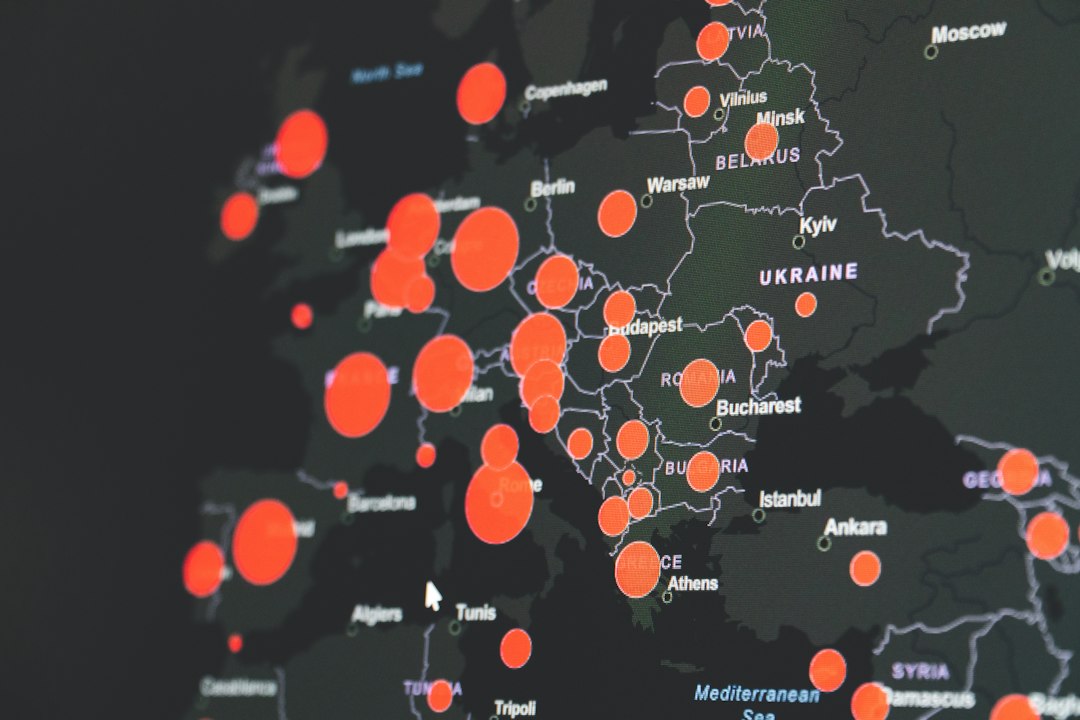
2. Enterprise SEO and Data Intelligence Platforms
Third-party platforms have become significantly more sophisticated by 2026. They no longer rely solely on scraped SERP data; instead, they combine clickstream datasets, panel data, AI modeling, and proprietary algorithms to estimate global search behavior.
Leading platforms typically include:
- Ahrefs: Known for strong international database coverage and backlink correlation analysis.
- Semrush: Offers extensive keyword clustering, intent modeling, and country-level filtering.
- Sistrix: Highly trusted in European markets for visibility index tracking.
- Similarweb: Provides broader traffic intelligence, including referral and app-based query insights.
The advantage of these platforms lies in their ability to identify:
- Long-tail keyword variations
- Emerging trends before peak demand
- Competitive gaps in specific regions
- Rank distribution and SERP volatility
However, users should understand that these tools provide modeled estimates. While highly useful for strategic planning, they are most effective when validated against real search console or PPC data.
3. Paid Media Data as Keyword Intelligence
Paid advertising platforms have become one of the richest sources of global keyword insights. Unlike traditional keyword tools, ad platforms reflect real purchasing intent and reveal commercial value.
Key sources include:
- Google Ads Search Terms Reports
- Microsoft Advertising Data
- Amazon Search Term Reports
- Meta and TikTok search query data for social commerce
Paid search campaigns provide high-resolution insight into:
- Conversion rates by query
- Revenue per keyword
- Device-specific behavior
- Seasonal performance fluctuations
For international businesses, running controlled paid campaigns in new markets is often the fastest method of validating search demand before investing in full-scale organic expansion.
Important consideration: Paid query reports often uncover long-tail transactional phrases that do not appear prominently in third-party databases. This makes them invaluable for refining content strategies.
4. Clickstream and Behavioral Data Providers
By 2026, clickstream data has matured into a cornerstone of keyword intelligence. These datasets are aggregated anonymized behavioral signals collected from browser extensions, mobile apps, and partner networks.
Clickstream providers help estimate:
- Actual click distribution beyond positional averages
- Zero-click search behavior
- Cross-device journeys
- SERP feature interaction patterns
Because SERPs increasingly include AI summaries, featured snippets, and shopping integrations, understanding where users click is just as important as knowing search volume.

Clickstream data is typically integrated into enterprise SEO platforms. Its strength lies in approximating behavioral reality instead of relying purely on projected impressions.
5. Marketplace and Ecommerce Search Data
Traditional search engines no longer represent the entirety of global discovery behavior. Ecommerce marketplaces, app stores, and vertical search engines have become independent keyword ecosystems.
Key platforms include:
- Amazon search volume tools
- Alibaba and regional ecommerce platforms
- Apple App Store and Google Play search data
- Etsy and niche marketplace data tools
For product-driven brands, marketplace keyword trends often precede traditional search trends. Monitoring these environments can reveal:
- Emerging product categories
- Rising consumer preferences
- Localized terminology differences
- Competitive listing saturation
In fast-growing economies across Southeast Asia, Latin America, and parts of Africa, ecommerce platforms often function as primary search environments.
6. AI-Powered Trend and Intent Modeling
Artificial intelligence now plays a critical role in synthesizing fragmented keyword signals. Large language models and predictive analytics engines analyze semantic relationships, contextual shifts, and emerging topic clusters.
Modern AI-powered platforms can:
- Group keywords by intent rather than lexical similarity
- Detect rising themes before volume spikes occur
- Predict seasonal search momentum
- Localize content frameworks for multilingual markets
These systems are particularly valuable for global organizations that manage hundreds of thousands of keywords across dozens of regions. Instead of manually segmenting keyword lists, AI-assisted clustering improves scalability and reduces strategic blind spots.

7. First-Party Data and Internal Search Insights
Perhaps the most underutilized source of keyword intelligence remains first-party data. This includes:
- On-site search queries
- Customer support transcripts
- Chatbot interactions
- CRM inquiry logs
- Internal product search analytics
These data sources reflect real user language rather than industry-standard terminology. In multilingual markets, customers frequently use localized phrasing that does not appear in aggregated keyword tools.
Companies that systematically analyze first-party search data often uncover:
- High-intent long-tail phrases
- Unmet informational gaps
- Content navigation inefficiencies
- Product categorization issues
When integrated with global keyword databases, internal query logs significantly improve localization accuracy.
8. Regional and Government Open Data Sources
In some markets, government-backed datasets and public digital behavior studies offer supplementary insight. While not direct keyword tools, these resources help validate macro demand trends.
Examples include:
- National ecommerce adoption statistics
- Internet penetration growth reports
- Consumer behavior surveys
- Digital economy publications
These contextual datasets are valuable when evaluating keyword growth potential in emerging markets where conventional tools may lack historical depth.
Best Practices for Reliable Global Keyword Intelligence
In 2026, accuracy comes from synthesis rather than dependence on a single platform. To ensure data reliability:
- Cross-validate volume estimates using at least two independent tools.
- Overlay paid performance data to confirm commercial relevance.
- Segment by country and language rather than assuming uniform demand.
- Monitor year-over-year trends, not just monthly fluctuations.
- Incorporate AI clustering to manage scale and intent segmentation.
A diversified methodology reduces exposure to modeling bias and improves forecasting confidence.
Conclusion
The landscape of global keyword research in 2026 is more complex, multi-platform, and behavior-driven than ever before. Search volume alone no longer defines opportunity; click behavior, AI-generated results, marketplace queries, and first-party signals all shape the interpretive landscape. Businesses that rely on a single keyword tool risk making strategic decisions based on incomplete or outdated data.
The most dependable approach combines native search engine datasets, enterprise intelligence platforms, paid media insights, clickstream behavior, marketplace analytics, AI-powered clustering, and first-party internal data. When these sources are systematically integrated, organizations gain a comprehensive understanding of global demand. In an era defined by international competition and evolving search interfaces, high-quality keyword data is not simply useful—it is indispensable.