
Choose Experian if identity theft could affect your credit file; choose Google One if you want a simple, low-cost dark web scan tied to your Google account. Google’s tool is cleaner and easier for basic exposure checks. Experian is heavier, more expensive, and more useful when Social Security number misuse, new credit accounts, or fraud recovery support matter.
TLDR: Google One is best for quick alerts about exposed personal details such as email addresses, phone numbers, and passwords linked to breaches. Experian is stronger for U.S. credit-focused identity monitoring because it can connect dark web alerts with credit report activity. For example, if your email appears in a leaked shopping site database, Google may be enough; if your Social Security number appears with your date of birth and address, Experian’s credit alerts and fraud support are more valuable. A family with two adults and credit histories has more to gain from Experian than a single user who mainly wants breach awareness.
Table of Contents
What dark web monitoring actually does
Dark web monitoring does not remove your data from criminal forums. It does not stop every scam. It also cannot scan every hidden market, Telegram channel, paste site, or private dump. That would be impossible.
What it can do is search known breach collections and criminal data sources for your information. When there is a match, you get an alert. A good alert tells you what type of data was found, when it was detected, and what to do next.
Common monitored items include:
- Email addresses
- Phone numbers
- Passwords or password hashes
- Home addresses
- Dates of birth
- Social Security numbers, where supported
- Credit card or bank details, depending on the service
The real value is speed. If you know early, you can change passwords, freeze credit, replace cards, and watch for fraud before things get worse.
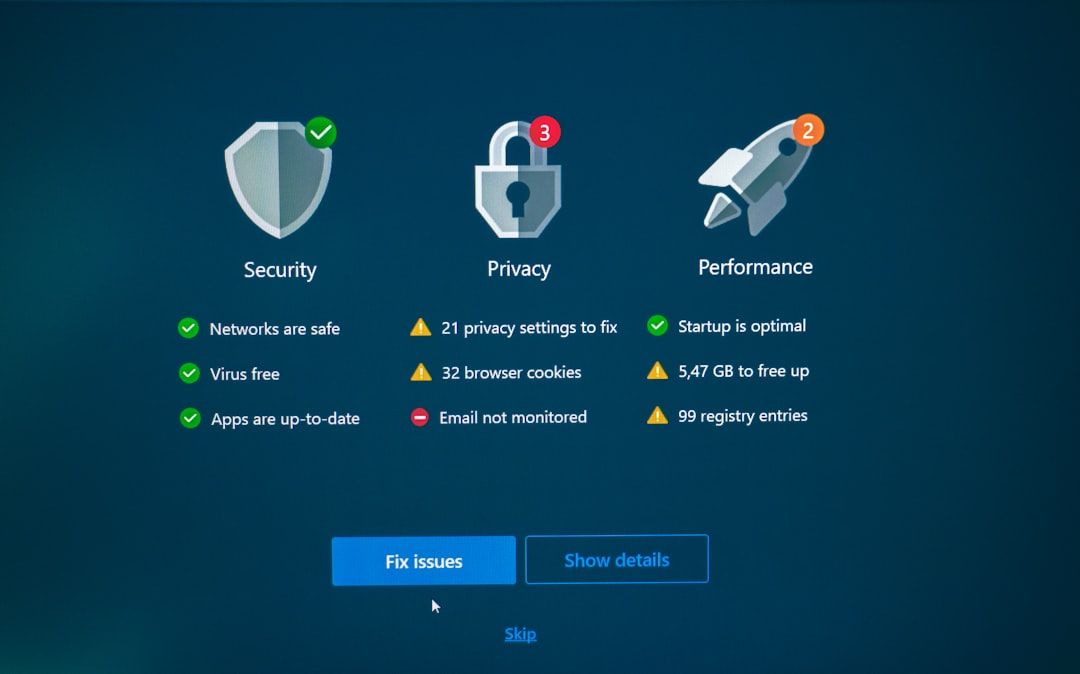
Google One dark web monitoring: best for simple exposure checks
Google’s dark web report is built around ease. You add personal details to a monitoring profile, and Google checks for matches. Results are shown in plain language. The setup is usually quick, especially if you already use Gmail, Chrome, and Google Password Manager.
The strongest point is convenience. Google already knows how to show account security warnings without making the process feel like a paperwork exercise. If your Gmail address appears in a breach, you may see related guidance. If saved passwords are weak or reused, Google can point that out through its password tools.
Best fit: people who want basic breach visibility without buying a full identity protection plan.
Strengths of Google One or Google’s dark web report:
- Easy setup: the interface is simple and fast.
- Good for email exposure: strong match for Gmail and Google account users.
- Clear security prompts: password checks and account warnings are easy to act on.
- Low friction: no long identity protection enrollment in many cases.
- Practical alerts: useful for common breach events.
The catch is that Google is not a credit bureau. It does not give you the same credit-file depth as Experian. If someone tries to open a loan using your identity, Google is not the tool designed to watch your credit report for that event.
Another annoyance is coverage clarity. Google’s features can vary by country, account type, and product changes. What was once clearly part of Google One has shifted in some regions into broader Google account security features. That is not fatal, but it can make plan comparisons more confusing than they should be.
Experian dark web monitoring: stronger for identity and credit risk
Experian’s dark web monitoring is part of a broader identity protection model. That matters. Experian is one of the major credit bureaus in the United States, so its tools often sit closer to credit report monitoring, fraud alerts, credit locks, and identity restoration services.
If your personal data appears in a criminal database, the next risk may be financial. Someone may try to open a credit card, apply for a loan, create a utility account, or pass a lender’s identity check. Experian is better built for that chain of events.
Best fit: people who want dark web alerts plus credit monitoring and identity theft response.
Strengths of Experian:
- Credit monitoring: alerts can be tied to changes in your Experian credit file.
- SSN monitoring: useful when Social Security number exposure is the main concern.
- Identity theft support: paid plans may include restoration help and insurance coverage.
- Family options: some plans cover multiple adults or children.
- Fraud response tools: better suited to serious identity misuse.
Honestly, it feels like Experian sometimes makes you work harder than necessary. The product can feel busy because credit scores, offers, locks, alerts, and identity tools sit close together. Expect to spend extra time sorting useful alerts from marketing prompts. Still, when the issue is serious, that extra structure can pay off.
Google One vs Experian: side by side
| Category | Google One or Google dark web report | Experian |
|---|---|---|
| Main purpose | Basic dark web exposure alerts | Dark web plus credit and identity monitoring |
| Best user | Google account users who want quick checks | Users worried about credit fraud or SSN misuse |
| Setup difficulty | Low | Medium |
| Credit monitoring | Not the core function | Core strength |
| Fraud recovery | Limited guidance | Stronger on paid plans |
| Cost profile | Often cheaper or included with Google services, depending on region | Free and paid tiers, with stronger features usually paid |
When Google One is the better choice
Pick Google if your main concern is awareness. Maybe you want to know whether your old email, phone number, or reused password appeared in a breach. Maybe you already use Google Password Manager and want one security hub instead of another subscription.
Google is also a smart first step for people who will not check a complicated dashboard. A simple alert that you act on is better than an advanced service you ignore.
Google is enough when:
- You mainly want to monitor email addresses and contact details.
- You do not need credit bureau alerts.
- You already use Google security tools.
- You want fast setup and plain guidance.
- Your risk level is moderate, not severe.
When Experian is the better choice
Pick Experian if your Social Security number has been exposed, if you have already seen suspicious credit activity, or if you want monitoring tied to your credit file. It is also the better option for people with mortgages, car loans, multiple credit cards, or children whose identities need protection.
Experian makes more sense when the possible damage is larger. A leaked email is annoying. A leaked SSN with a birth date and address can lead to new accounts, fake applications, and months of cleanup.
Experian is stronger when:
- You want credit report alerts.
- You need Social Security number monitoring.
- You want identity restoration support.
- You are protecting a household, not just one email account.
- You have already been affected by fraud.

What to do after a dark web alert
An alert is only useful if you act. Do not panic, but do not ignore it.
- Change the affected password and any similar passwords used elsewhere.
- Turn on two factor authentication, especially for email, banking, and cloud accounts.
- Check bank and card activity for small test charges.
- Freeze your credit with Experian, Equifax, and TransUnion if sensitive identity data is exposed.
- Watch for phishing. Criminals use leaked data to make scams feel personal.
Final verdict
Google One is the better everyday dark web scan for most casual users. It is simple, quick, and useful for breach awareness. It works especially well if your digital life already runs through Google.
Experian is the better serious identity monitoring option. It is the stronger pick when credit fraud is a realistic threat. If your SSN, date of birth, or address has been exposed, Google’s alert may tell you there is smoke, but Experian is better equipped to watch for fire.
For many people, the best setup is not either-or. Use Google for fast account-level warnings. Use Experian when the risk moves from leaked login data to identity theft and credit damage. That split is practical, clear, and safer than relying on one tool to do everything.