
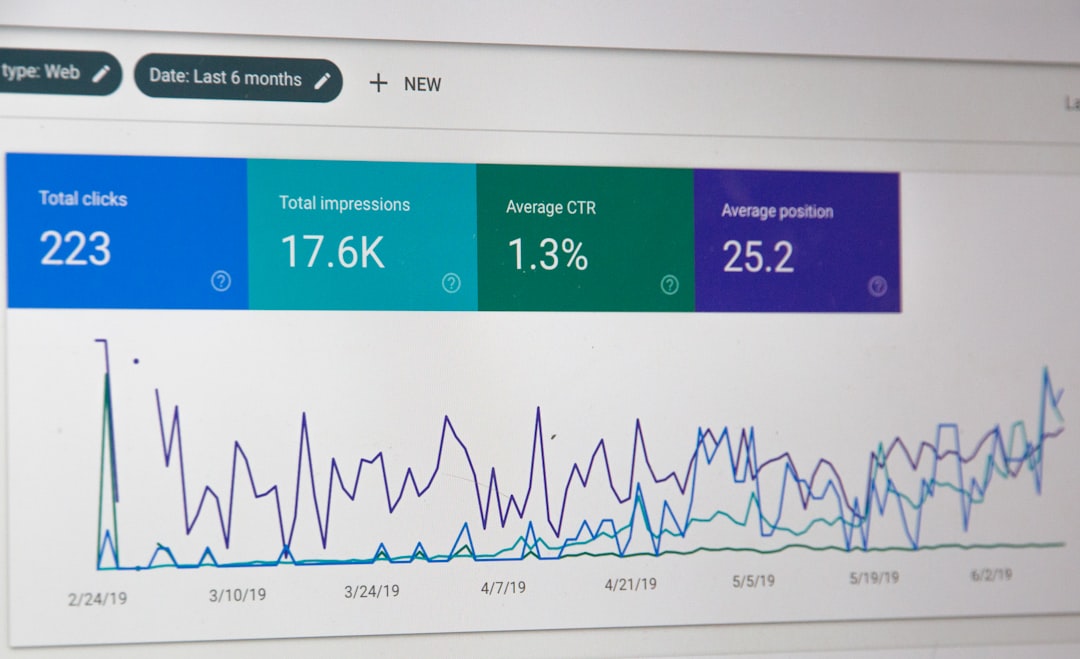
The GA4 November 2026 update is a topic many analytics teams are already watching closely, but as of the current public release timeline, Google has not yet published final November 2026 GA4 release notes. That means any responsible overview must separate confirmed information from expected areas of change. This article explains what is currently known, what analysts should monitor, and how organizations can prepare once the official update becomes available.
TLDR: The GA4 November 2026 update has not yet been officially detailed by Google, so there is no verified list of final features at this time. Analytics teams should expect the update to focus on reporting, data quality, attribution, privacy controls, and integrations if it follows recent GA4 development patterns. The safest approach is to prepare by auditing events, conversions, consent settings, and custom reports before the release. Once Google publishes the official changelog, teams should validate every affected report before making business decisions.
Table of Contents
What Is Currently Known About the GA4 November 2026 Update?
At this stage, the most important fact is that the official GA4 November 2026 update has not been released publicly. Google typically announces Analytics changes through product release notes, help center documentation, platform notifications, and administrator alerts inside GA4 properties. Until those sources confirm specific changes, any detailed feature list should be treated as speculative.
However, GA4 has followed a consistent direction in recent years. Google has continued refining event-based measurement, machine learning insights, privacy-focused reporting, advertising integrations, and cross-platform analysis. Because of that pattern, the November 2026 update is likely to matter most for marketing teams, ecommerce managers, product analysts, and agencies that rely on GA4 for performance reporting.
Likely Area 1: Reporting Interface Improvements
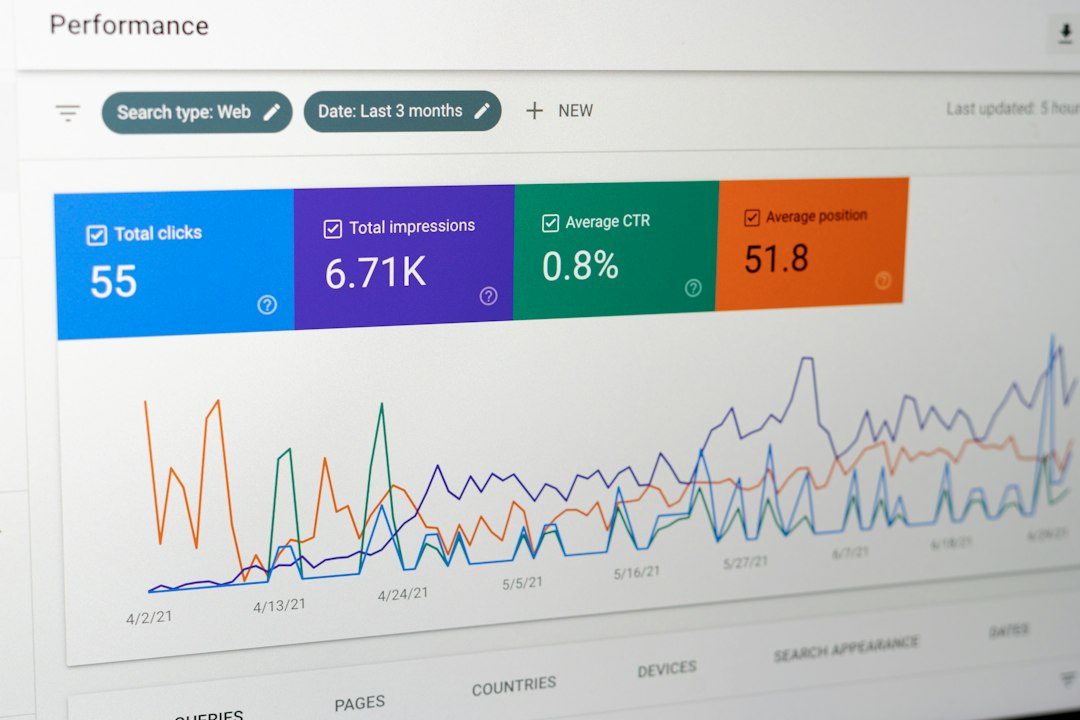
One of the most likely areas of improvement is the GA4 reporting interface. Since Universal Analytics was replaced, many users have wanted easier navigation, clearer standard reports, and faster access to common business metrics. If the November 2026 release continues this trend, it may include refinements to Reports, Explore, or customizable reporting collections.
For businesses, even small interface changes can have a significant impact. A redesigned report menu, new default dimensions, or updated chart controls may change how teams review traffic, conversions, and revenue. Analysts should document their current reporting workflows before the update so they can identify what changed afterward.
Likely Area 2: Event and Conversion Management
GA4 is built around events, so event management is another area where updates commonly appear. A November 2026 update could potentially improve event creation, modify key event settings, expand validation tools, or make debugging more accessible to non-technical users.
Organizations should pay close attention to any changes involving key events, formerly known as conversions in older GA4 terminology. If Google updates how key events are counted, attributed, or displayed, reports may appear different even when user behavior has not changed. This is especially important for lead generation sites, ecommerce stores, subscription platforms, and mobile apps.
- Before the update: Export a list of current events and key events.
- During the rollout: Check whether event names, parameters, or counts appear different.
- After the update: Compare GA4 data with Google Ads, CRM records, and internal sales data.
Likely Area 3: Attribution and Advertising Insights
Attribution has been one of the most important and sensitive areas in GA4. Any November 2026 change involving attribution models, channel grouping, campaign parameters, or Google Ads linking could affect how performance is interpreted. A campaign that previously appeared profitable might look weaker after a reporting adjustment, while another channel may receive more credit than before.
This does not always mean marketing performance has changed. Sometimes, a platform update changes the way credit is assigned across touchpoints. For that reason, marketing leaders should avoid making major budget decisions immediately after the update without reviewing the methodology behind any new attribution behavior.
Likely Area 4: Privacy, Consent, and Modeled Data
Privacy remains central to GA4’s evolution. With regulations, browser restrictions, and user consent expectations continuing to develop, Google is likely to keep improving consent-based measurement and modeled reporting. The November 2026 update may include new controls, clearer data thresholds, or updated explanations for modeled conversions and behavioral data.
For organizations operating in multiple regions, this area deserves special attention. Consent settings, data retention rules, and regional privacy configurations can affect what appears in reports. If a GA4 update changes how modeled data is labeled or calculated, stakeholders may need additional explanation to understand why certain metrics shifted.
Likely Area 5: BigQuery and Data Export Enhancements
Many advanced GA4 users rely on BigQuery exports for deeper analysis, data warehousing, and business intelligence dashboards. Any November 2026 update involving export schemas, event parameters, session fields, or processing behavior could affect downstream reporting systems.
Data teams should monitor schema changes carefully. Even a small field adjustment can break dashboards, automated pipelines, or Looker Studio reports. Before the update, technical teams should document table structures, recurring queries, and transformation logic. After the update, they should test whether exported data still matches GA4 interface reporting closely enough for operational use.
Likely Area 6: Ecommerce Measurement Updates
Ecommerce businesses should be especially alert. GA4 ecommerce reporting depends on correctly implemented events such as view_item, add_to_cart, begin_checkout, and purchase. A platform update may introduce clearer diagnostics, better item-level reporting, or new merchandising insights.
If ecommerce reporting changes, teams should compare transaction counts, revenue, refund tracking, item quantities, and coupon performance. The most reliable approach is to compare GA4 with backend ecommerce data rather than assuming GA4 is automatically correct after an update.
How Teams Should Prepare
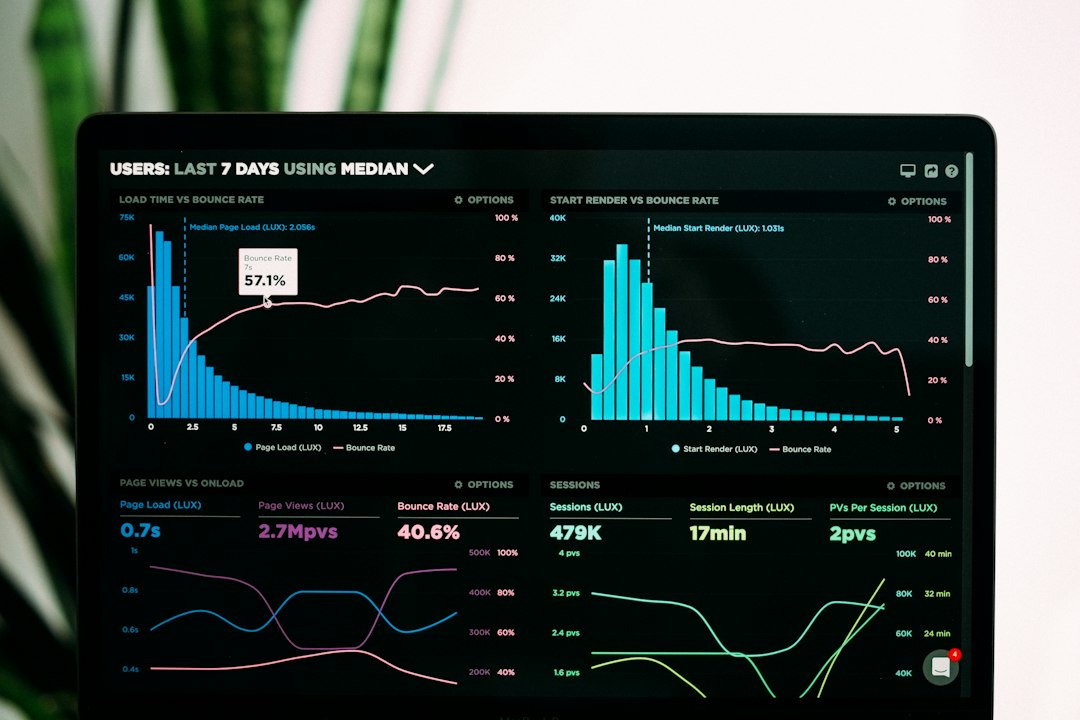
The best preparation is a structured GA4 audit. Analytics teams should review property settings, event naming conventions, audiences, custom dimensions, data streams, consent configurations, and linked products. They should also save screenshots or exports of key reports before the November 2026 release window.
Preparation should include communication as well. Executives, advertisers, and reporting stakeholders should understand that analytics updates can cause visible metric changes. A temporary reporting shift does not necessarily indicate a business problem. It may reflect improved processing, new definitions, or revised modeling.
What to Check After the Update
Once the official GA4 November 2026 update is published, teams should review the changelog first, then inspect their own data. The highest-priority checks should include traffic totals, key events, revenue, attribution reports, exploration reports, audiences, and integrations with Google Ads or BigQuery.
Any unexpected difference should be investigated before reports are shared widely. A careful reviewer should ask whether the change came from user behavior, implementation errors, consent shifts, or GA4 itself. That discipline helps prevent rushed conclusions and protects reporting credibility.
Final Thoughts
The GA4 November 2026 update may bring meaningful improvements, but the full list of changes cannot be confirmed until Google publishes official documentation. For now, the most useful strategy is preparation. Organizations that maintain clean event structures, strong documentation, and disciplined QA processes will be best positioned to benefit from the update rather than be disrupted by it.
FAQ
- Has Google officially released the GA4 November 2026 update?
No. As of the current public information available, Google has not published final official release notes for the November 2026 GA4 update. - What is expected to change in the update?
The most likely areas include reporting improvements, event management, attribution, consent settings, ecommerce reporting, and data export behavior, although these are not confirmed until Google announces them. - Should businesses change their GA4 setup now?
They should not make speculative changes based on rumors. Instead, they should audit their current setup, document reports, and prepare a validation checklist. - Could the update affect conversion numbers?
Yes, if Google changes key event processing, attribution, consent modeling, or reporting definitions. Any major shift should be investigated before business decisions are made. - Where should teams confirm the official details?
Teams should use Google Analytics release notes, GA4 admin notifications, Google Help Center documentation, and official Google product announcements.