
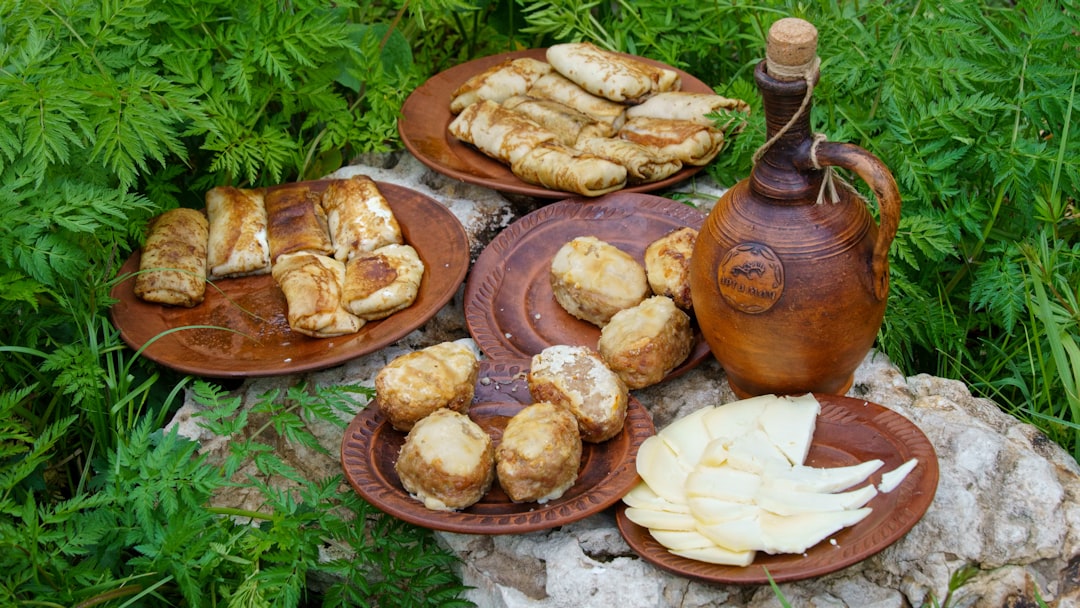
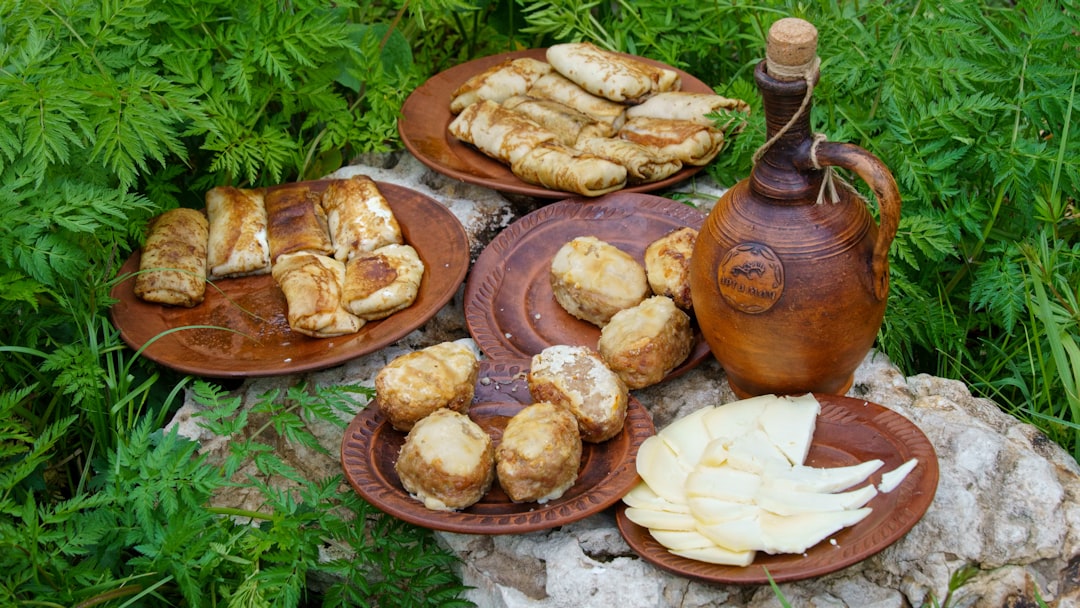
The Balkan Peninsula is a vibrant mosaic of cultures, traditions, and flavors. Among its lesser-known but deeply loved culinary gems lies *Levapioli*, a savory dish that captures the essence of Balkan hospitality and rich gastronomic history. Often overshadowed by better-known regional dishes like ćevapi or burek, Levapioli is a hearty, flavorful centerpiece that deserves a place at the international dining table.
Table of Contents
TL;DR
Levapioli is a traditional Balkan dish with deep cultural roots and bold flavors. Often prepared with minced meat, aromatic herbs, and slow-cooked techniques, it’s a comfort food that showcases the region’s love for hearty, home-cooked meals. Though it varies by locality, its core appeal lies in its simplicity and rustic charm. A must-try for lovers of Eastern European cuisine.
Origins and Cultural Importance
Levapioli has an origin story steeped in generations of family recipes passed down through oral tradition across various Balkan regions — including Bosnia and Herzegovina, Serbia, Montenegro, and North Macedonia. Though exact details of its creation remain speculative, it’s widely believed that Levapioli emerged from rural communities where ingredients were limited but ingenuity was plentiful. Meat, grains, and wild herbs formed the basis of meals, giving rise to this deeply satisfying dish.
This dish is more than food—it’s a representation of identity and unity. Families gather to prepare it during holidays, weddings, and community festivals. It is a dish that transcends religious and cultural lines, cementing its role as a symbol of shared heritage in the Balkans.
What Is Levapioli?
At its core, Levapioli is a rustic meat-and-veggie casserole, usually slow-cooked in a clay pot to allow the ingredients to meld beautifully. Most commonly, it features seasoned ground meat—typically lamb or beef—layered with root vegetables such as potatoes and carrots, combined with spices like paprika, garlic, and marjoram. Tomato paste or a light broth brings everything together, offering a balanced blend of earthiness and zest.
Variations abound depending on the region:
- In Bosnia, Levapioli may include minced veal and a hint of cinnamon, offering a unique fusion of sweet and savory.
- In Serbia, spicier versions with crushed red pepper and smoked paprika are common.
- North Macedonian families often incorporate local cheeses and bake the dish with a crispy topping of bread crumbs or phyllo.
Ingredients and Preparation
Preparing Levapioli requires a bit of patience but very basic kitchen tools. Traditional methods involve using clay cookware known as *sač*, though modern variations are just as often slow-cooked in ovens or on stovetops.
Common Ingredients
- 500g minced lamb or beef
- 2 medium potatoes, thinly sliced
- 2 carrots, diced
- 1 onion, finely chopped
- 2 cloves garlic, minced
- 1 tsp smoked paprika
- ½ tsp marjoram
- Salt and pepper to taste
- 2 tbsp tomato paste
- 1 cup vegetable or beef broth
Preparation Steps
- Preheat oven to 180°C (356°F) if not using a traditional clay pot over open flame.
- Sauté onions and garlic in a bit of oil until translucent. Add ground meat and cook until browned.
- Add spices and tomato paste, mixing well. Stir in broth and simmer for 5–10 minutes.
- In a baking dish or clay pot, layer the potatoes and carrots with the meat mixture.
- Cover and bake for approximately 45 minutes to 1 hour, until vegetables are tender.
- Optional: Uncover for the last 10 minutes to create a crispy top layer.
The result is tender, flavorful, and aromatic—comfort food at its finest.
How Levapioli Is Served
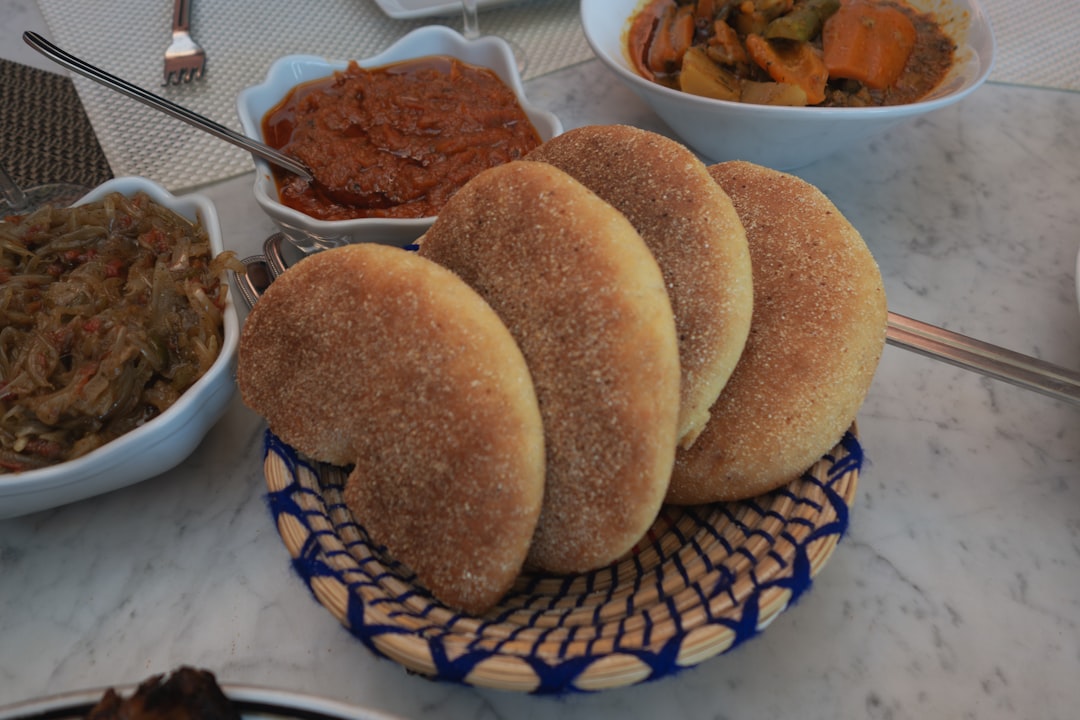
Levapioli is typically served hot, straight from the oven, accompanied by crusty bread, pickled vegetables, or a dollop of kajmak (a Balkan creamy dairy spread). It may also be paired with a simple cucumber yogurt salad or pickled peppers to balance its rich, robust flavor.
For family meals, it’s often placed at the center of the table, encouraging communal eating and lively conversation. In many homes, the pot is passed around with pride, each bite reminding diners of their roots and shared experiences.
Why Levapioli Deserves Global Attention
Despite its relatively low profile on the global culinary stage, Levapioli has all the makings of an international comfort food hit:
- Versatility: Levapioli can be adapted for vegetarian diets by substituting meat with lentils or mushrooms while preserving its signature spice blend.
- Simple ingredients: Most ingredients are pantry staples or easily found in supermarkets worldwide.
- Slow-food appeal: As modern eating trends favor wholesome, slow-cooked meals, Levapioli fits perfectly.
- Cultural experience: Every forkful offers a taste of Balkan tradition and hospitality.
With contemporary interest in global cuisines reaching new heights, Levapioli is well-positioned to capture palates far beyond the forests and mountains of the Balkans.
Modern Interpretations and Fusion Experiments
Today, young chefs and culinary enthusiasts are giving Levapioli modern upgrades without losing its soul. Vegan Levapioli made with jackfruit or plant-based mince has started to make appearances in urban Balkan bistros. Some even experiment with exotic spices like turmeric or coconut milk to bridge East-West flavors. Others deconstruct it into elegant plating suitable for five-star restaurants while retaining the traditional taste elements.
Image not found in postmetaThis innovation ensures Levapioli’s continued evolution and relevance in contemporary food culture. It reflects a generation unafraid to remix their heritage while honoring its roots—a testament to the dish’s enduring versatility.
FAQ – Frequently Asked Questions
- Q: Is Levapioli spicy?
A: While traditional versions have a mild to moderate spice level, the heat can be adjusted based on preference. Some regions prefer a spicier kick, while others opt for more herb-forward versions. - Q: Can I make Levapioli vegetarian?
A: Yes! Simply replace the meat with mushrooms, eggplants, lentils, or plant-based meat alternatives. The base flavors from herbs and vegetables will still shine through. - Q: How long does Levapioli last in the fridge?
A: It can be refrigerated for up to three days and reheats well in the oven or microwave. Some say it tastes even better the next day! - Q: Is this dish kid-friendly?
A: Absolutely. Its rich but not overpowering flavors often appeal to children, especially when served with bread or rice. - Q: Can I freeze Levapioli?
A: Yes, Levapioli freezes well. Allow it to cool completely before freezing in airtight containers. Thaw overnight in the fridge before reheating.
In a world filled with fast food and fleeting food trends, Levapioli is a comforting reminder of the power of tradition, patience, and shared meals. As more people discover its rich story and even richer flavor, it may finally claim its rightful place on the global dining scene—bringing a taste of the Balkans to kitchens around the world.