
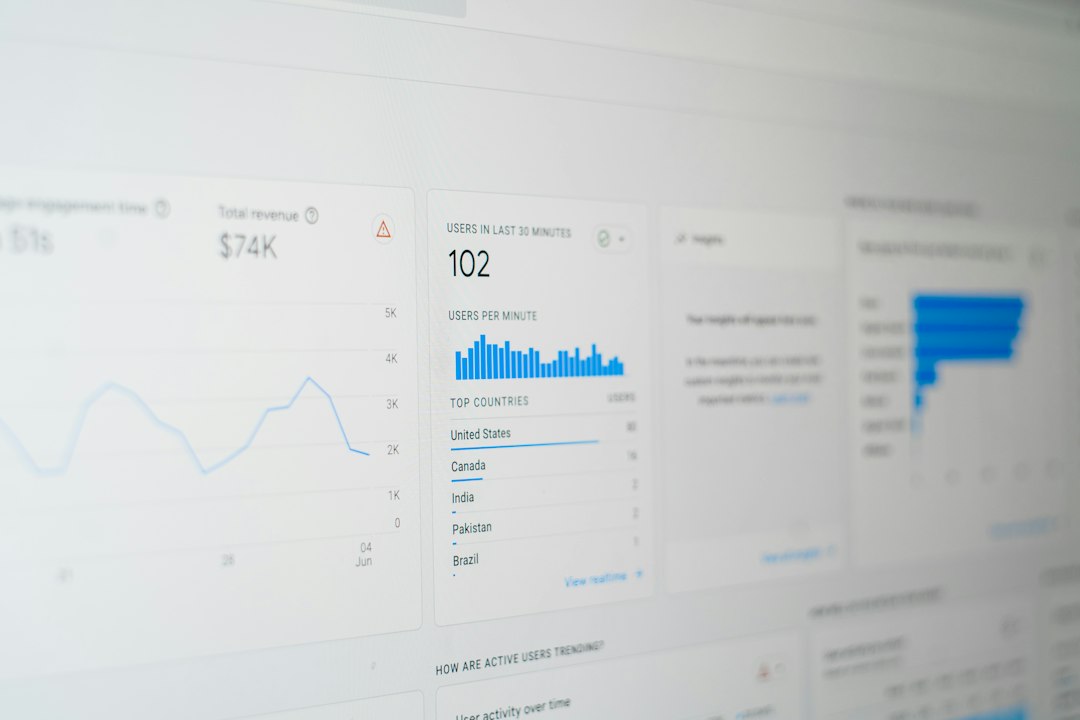
Semrush is usually the better first choice for improving Magento search rankings, while Ahrefs is stronger for backlink research and content gap discovery. A Magento store with large category pages, layered navigation, product filters, and constant technical SEO issues will often get faster direction from Semrush. Ahrefs still matters, especially when competitors outrank the store because of stronger links and better informational content.
TLDR: For most Magento SEO teams, Semrush gives a broader toolkit for audits, rank tracking, keyword clustering, and on-page checks. Ahrefs is better when the main goal is finding link gaps, content opportunities, and competitor pages earning traffic. For example, a Magento electronics store with 12,000 products might use Semrush to cut crawl errors by 38% in two months, then use Ahrefs to find 120 competitor backlinks worth pitching. The best setup is often Semrush for weekly SEO management and Ahrefs for monthly competitor research.
Table of Contents
Why Magento SEO Needs More Than Basic Keyword Data
Magento is powerful, but it can create SEO headaches fast. Duplicate URLs, faceted navigation, thin product pages, slow category pages, missing metadata, and messy canonical tags can all hurt rankings. A standard keyword tool will not catch enough of these problems.
A Magento SEO tool needs to help with technical audits, keyword targeting, content planning, rank tracking, and competitor analysis. Semrush and Ahrefs both cover much of this work, but they feel different in daily use.
The catch is that neither tool understands every Magento setup perfectly. Stores using custom themes, third-party filters, or unusual URL rules may still need manual checks in Google Search Console and server logs.
Semrush for Magento SEO
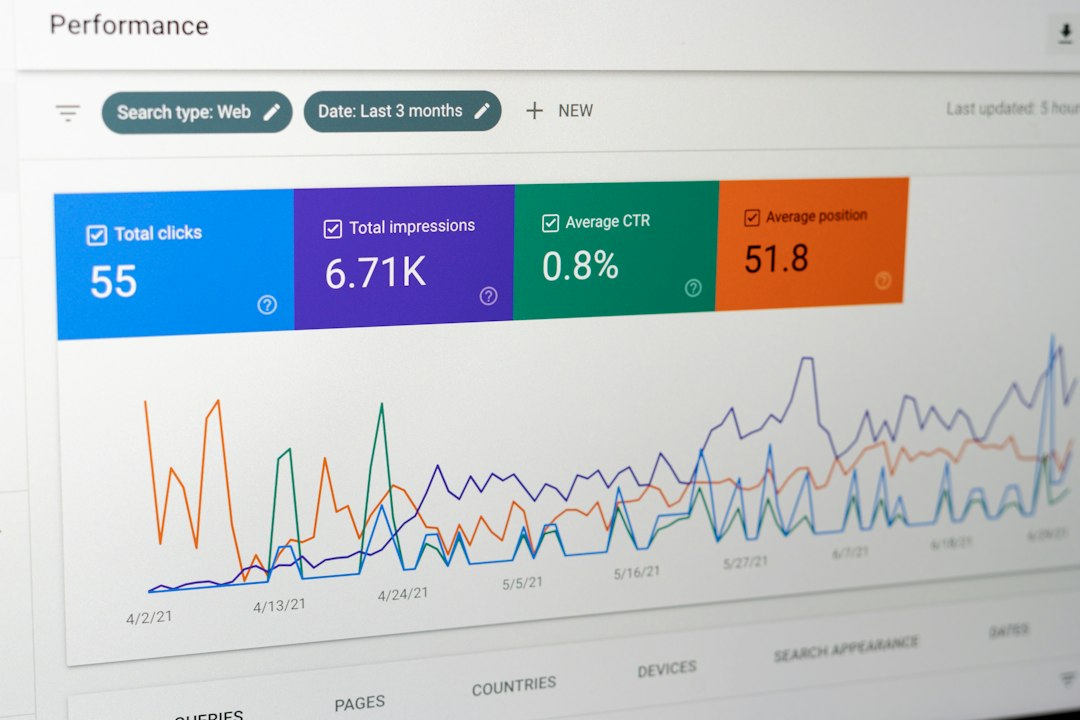
Semrush is strong for Magento teams that need an all-in-one SEO command center. Its Site Audit tool is useful for spotting broken links, crawl depth issues, missing title tags, duplicate meta descriptions, slow pages, and HTTPS problems. These are common issues on Magento stores with thousands of SKUs.
Its Position Tracking feature is also helpful for monitoring category keywords. A store can track terms such as “men’s leather boots,” “gaming laptop deals,” or “organic skincare sets” across desktop, mobile, and local search. This matters because Magento stores often rank with category pages, not just blog posts.
Semrush also performs well for keyword groups. A team can build clusters for category pages, buying guides, and product collections. This helps avoid keyword overlap between similar Magento categories.
- Best for: technical audits, rank tracking, keyword planning, PPC and SEO overlap.
- Strong Magento use case: finding duplicate metadata across large product catalogs.
- Common annoyance: some audit warnings feel noisy and need manual review.
It drives SEO teams crazy that Semrush can flag hundreds of “issues” that are not all urgent. A Magento site with 20,000 product URLs may see 3,000 warnings, but only 300 may affect rankings. Still, the tool gives a clear place to start.
Ahrefs for Magento SEO
Ahrefs is often the better tool for understanding why competitors rank. Its backlink database is one of its biggest strengths. Magento stores in competitive niches, such as fashion, electronics, furniture, and supplements, often need better links to compete for commercial keywords.
Ahrefs makes it easy to compare a Magento store against rivals. The Content Gap tool can show keywords that competitors rank for but the store does not. This is useful for finding missing category ideas, buyer guides, comparison pages, and FAQ content.
Its Site Explorer is especially useful when a competitor category page ranks above a Magento page. A team can check backlinks, referring domains, anchor text, organic keywords, and top subfolders. That data can reveal whether the problem is content depth, internal linking, link authority, or keyword targeting.
- Best for: backlink research, competitor analysis, content gaps, link prospecting.
- Strong Magento use case: finding backlinks to competitor category pages.
- Common annoyance: rank tracking and site auditing can feel less broad than Semrush.
Ahrefs is not weak for technical SEO, but it is less comfortable as the central project hub for a Magento team. It shines when the team needs answers about authority, links, and traffic opportunities.

Keyword Research: Semrush vs Ahrefs
Semrush has a slight edge for structured keyword planning. Its Keyword Magic Tool helps split terms by intent, question format, modifiers, and SERP features. That works well for Magento category planning. A store can build pages around “waterproof hiking jackets,” “lightweight hiking jackets,” and “women’s insulated hiking jackets” without mixing intent.
Ahrefs is stronger when the team wants to see which pages already earn traffic. Its keyword reports connect well with actual competitor URLs. This helps identify whether Google prefers a category page, product page, blog article, or buying guide for a query.
For Magento, that distinction matters. Ranking a product page for a broad term is often a losing fight. A category page or guide may be a better match.
Technical SEO Audits for Magento
Semrush wins this round for most Magento teams. Its Site Audit reports are easier to hand to developers, merchandisers, and content teams. It can highlight crawlability, internal linking, structured data, Core Web Vitals, duplicate content, and redirect chains.
Magento stores should pay close attention to:
- Canonical tags on filtered category pages.
- Indexation rules for layered navigation URLs.
- Duplicate product descriptions from manufacturer feeds.
- Slow product image loading on mobile.
- Orphan pages created by old products or hidden categories.
Ahrefs can also crawl the site and report issues, but Semrush tends to be more practical for ongoing fixes. The reports are easier to sort by severity and share across teams.
Backlinks and Authority
Ahrefs wins for backlink research. Its link index, referring domain reports, and competitor comparison tools make it easier to build a link plan. For Magento stores, this can expose product roundups, gift guides, review sites, niche blogs, and supplier pages that link to competitors.
For example, a home decor Magento store may find that three competitors have links from 75 interior design blogs. If the store has only 18 similar referring domains, poor link authority may explain weaker rankings. Ahrefs makes that gap obvious.
Semrush has backlink tools too. They are useful, but Ahrefs usually feels faster and clearer for link work.
Content Planning for Magento Stores
Semrush helps plan commercial pages and supporting content. A team can map keywords to categories, product collections, and blog guides. It also helps identify questions for FAQ blocks, which can improve page relevance.
Ahrefs is better for finding content that already works. Its Top Pages report can show rival articles and categories pulling traffic. A Magento sports store might find that competitors earn traffic from “best running shoes for flat feet” or “how to choose trail running shoes.” Those topics can support internal links to money pages.

Which Tool Should a Magento Store Choose?
A Magento store should choose Semrush if it needs one main SEO platform. It is better for routine audits, rank tracking, keyword planning, and reporting. It suits teams that want weekly workflows and clear task lists.
A Magento store should choose Ahrefs if rankings are blocked by stronger competitors and weak backlinks. It is also a smart choice for brands investing in content marketing and digital PR.
The best choice, if budget allows, is to use both. Semrush can manage the technical and tracking side. Ahrefs can guide link building and competitor research. If only one tool fits the budget, Semrush is usually the safer pick for Magento SEO operations.
FAQ
Is Semrush better than Ahrefs for Magento SEO?
Semrush is usually better for day-to-day Magento SEO because it offers stronger site audits, rank tracking, and keyword planning in one place.
Is Ahrefs still worth using for a Magento store?
Yes. Ahrefs is very useful for backlink research, competitor analysis, and finding content gaps that can support category and product rankings.
Can Semrush find Magento technical SEO problems?
Yes. Semrush can find duplicate metadata, broken links, crawl issues, redirect chains, missing tags, and slow pages. Manual review is still needed for complex Magento setups.
Which tool is better for backlink building?
Ahrefs is better for backlink building. Its competitor link reports and referring domain data are strong for outreach planning.
Should a Magento store use both Semrush and Ahrefs?
If the budget allows, yes. Semrush can handle audits and tracking, while Ahrefs can support link research and competitor content analysis.