
Mobile applications have become the front door to modern businesses. From banking and e-commerce to healthcare and entertainment, users expect apps to load instantly, respond smoothly, and never crash. Even a one-second delay or a minor glitch can lead to negative reviews and lost revenue. This is why mobile performance monitoring tools like New Relic have become essential for development teams that want to deliver seamless digital experiences.
TL;DR: Mobile performance monitoring tools such as New Relic help teams track app speed, stability, and user behavior in real time. They provide insights into crashes, latency, backend dependencies, and user journeys, enabling quicker issue resolution and improved user satisfaction. With features like real-time monitoring, error tracking, and analytics dashboards, these tools are critical for maintaining high-performing mobile apps. Businesses that invest in performance monitoring gain better retention, stronger brand loyalty, and data-driven development decisions.
Table of Contents
Why Mobile App Performance Matters More Than Ever
Today’s users are impatient. Research consistently shows that if an app takes more than a few seconds to load, users are likely to abandon it. Beyond speed, users also care about reliability, battery consumption, and minimal data usage. Performance isn’t just a technical metric—it’s directly tied to:
- User retention rates
- App store ratings and reviews
- Revenue and in-app purchases
- Brand reputation
Monitoring performance manually is impractical in a world where apps run across thousands of devices, operating systems, and network conditions. This complexity has made automated monitoring solutions indispensable.
What Are Mobile Performance Monitoring Tools?
Mobile performance monitoring (MPM) tools are platforms designed to track and analyze how mobile applications perform in real-world conditions. Tools like New Relic, Firebase Performance Monitoring, Datadog, AppDynamics, and Dynatrace collect data from user devices and backend systems to provide deep visibility into application behavior.
They track metrics such as:
- App launch time
- Network request latency
- Crash rates and error logs
- CPU and memory usage
- User session duration
- API response times
Instead of guessing why users are leaving or why performance degrades during peak hours, teams get concrete data they can act on.
How New Relic Helps Track Mobile App Performance
New Relic is one of the most recognized names in application performance monitoring (APM). Its mobile monitoring capabilities extend deep visibility into native and hybrid applications.
Here are some of its standout capabilities:
1. Real-Time Monitoring
New Relic provides real-time performance tracking, allowing developers to see how an app behaves as users interact with it. This instant feedback is critical during new feature rollouts or after deploying updates.
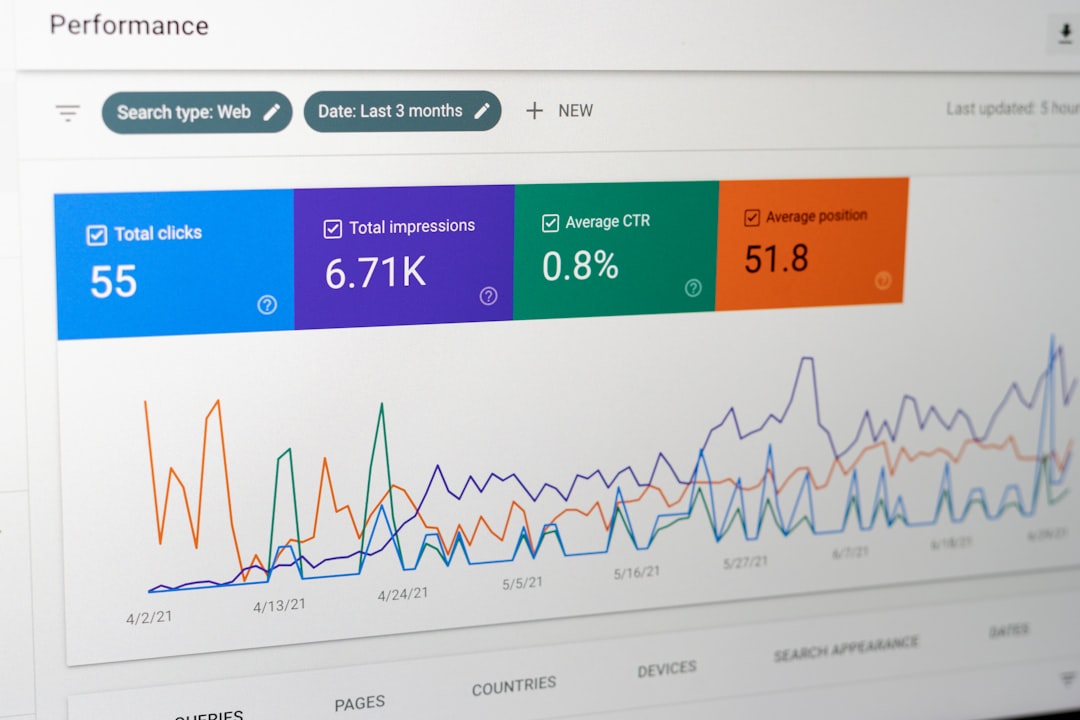
With visual dashboards displaying response times, throughput, and error rates, teams can quickly identify spikes or anomalies.
2. Crash and Error Analytics
One of the biggest frustrations for users is app crashes. New Relic captures detailed crash reports, including:
- Stack traces
- Device information
- Operating system versions
- Network conditions at the time of failure
This detailed context reduces debugging time and helps teams prioritize fixes based on frequency and impact.
3. Distributed Tracing
Modern apps rely heavily on backend services and APIs. A slow database query or overloaded server can significantly impact mobile performance. With distributed tracing, New Relic allows teams to trace a user request across frontend and backend systems, pinpointing performance bottlenecks.
This end-to-end visibility is especially useful for microservices-based architectures.
4. Custom Metrics and Alerts
Developers can define custom KPIs that align with business objectives. Automated alerts notify teams when thresholds are breached, enabling proactive issue resolution before users even notice a problem.
Key Features to Look for in Mobile Performance Monitoring Tools
While New Relic is a leading option, several similar tools offer powerful capabilities. When evaluating a solution, consider the following features:
- Cross-Platform Support: Compatibility with iOS, Android, and hybrid frameworks.
- Real User Monitoring (RUM): Insights from actual user interactions, not just simulated tests.
- Backend Integration: Seamless connection between mobile app and server data.
- Advanced Analytics: Trends, anomalies, and predictive insights.
- Data Security and Compliance: Strong encryption and privacy safeguards.
The right tool should provide both high-level summaries for business leaders and granular technical insights for engineers.
Understanding Core Performance Metrics
Tracking performance is not just about collecting data—it’s about interpreting the right data. Here are some essential mobile metrics:
App Launch Time
This measures how long it takes for an app to become interactive. Slow launches often lead to immediate user drop-offs.
Network Latency
Since most apps depend on cloud services, monitoring API response times is critical.
Crash-Free Users
This metric indicates the percentage of users who complete sessions without crashes—a vital health indicator.
Apdex Score
The Application Performance Index (Apdex) measures user satisfaction based on response times.

By analyzing these metrics collectively, teams can identify trends such as performance degradation after new releases.
The Business Impact of Performance Monitoring
Performance monitoring isn’t just about technical excellence—it directly affects revenue and growth.
1. Improved Customer Retention
Apps that run smoothly retain users longer. Monitoring ensures consistent performance even during peak loads.
2. Faster Development Cycles
With immediate visibility into bugs and inefficiencies, teams reduce time spent troubleshooting.
3. Data-Driven Decisions
Performance insights guide feature prioritization and infrastructure investments.
4. Reduced Downtime Costs
Proactive alerts prevent prolonged outages that could hurt financial performance.
Challenges in Mobile Performance Monitoring
Despite their benefits, monitoring tools come with certain challenges:
- Data Overload: Massive datasets can overwhelm teams without proper filtering.
- Integration Complexity: Configuring SDKs and backend connections requires careful setup.
- Privacy Concerns: Collecting user data must comply with regulations like GDPR.
- Cost Considerations: Advanced monitoring platforms can be expensive at scale.
Choosing a platform with intuitive dashboards and customizable alerts helps mitigate these issues.
Best Practices for Effective Monitoring
Simply installing a monitoring SDK is not enough. To maximize value, organizations should adopt best practices:
- Define Clear Objectives: Identify which KPIs truly impact business outcomes.
- Set Realistic Alert Thresholds: Avoid alert fatigue by fine-tuning notifications.
- Monitor After Every Release: Track performance changes following updates.
- Combine Monitoring with Testing: Use synthetic testing alongside real user monitoring.
- Review Performance Regularly: Conduct periodic audits to spot long-term trends.

A culture of continuous monitoring ensures performance remains a strategic priority rather than an afterthought.
The Future of Mobile Performance Monitoring
As mobile ecosystems grow more complex, performance monitoring tools are evolving as well. Artificial intelligence and machine learning are increasingly used to detect anomalies, predict outages, and automate root cause analysis.
We’re also seeing tighter integration between:
- DevOps pipelines
- Cloud infrastructure monitoring
- User behavior analytics
- Security monitoring tools
This unified observability approach allows teams to see the complete digital ecosystem—from code to customer experience—in a single interface.
Conclusion
In a digital landscape where users expect flawless experiences, mobile performance monitoring tools like New Relic have become mission-critical. They provide real-time visibility, actionable insights, and proactive alerts that empower teams to maintain optimal app performance.
By tracking metrics such as latency, crash rates, and backend dependencies, businesses can prevent issues before they escalate—and deliver the seamless experiences users demand. While implementation requires thoughtful setup and ongoing optimization, the payoff is significant: better retention, improved efficiency, and stronger competitive positioning.
Ultimately, mobile performance monitoring is not just about technology—it’s about ensuring that every tap, swipe, and interaction feels effortless to the user. And in today’s app-driven world, that effortlessness makes all the difference.