
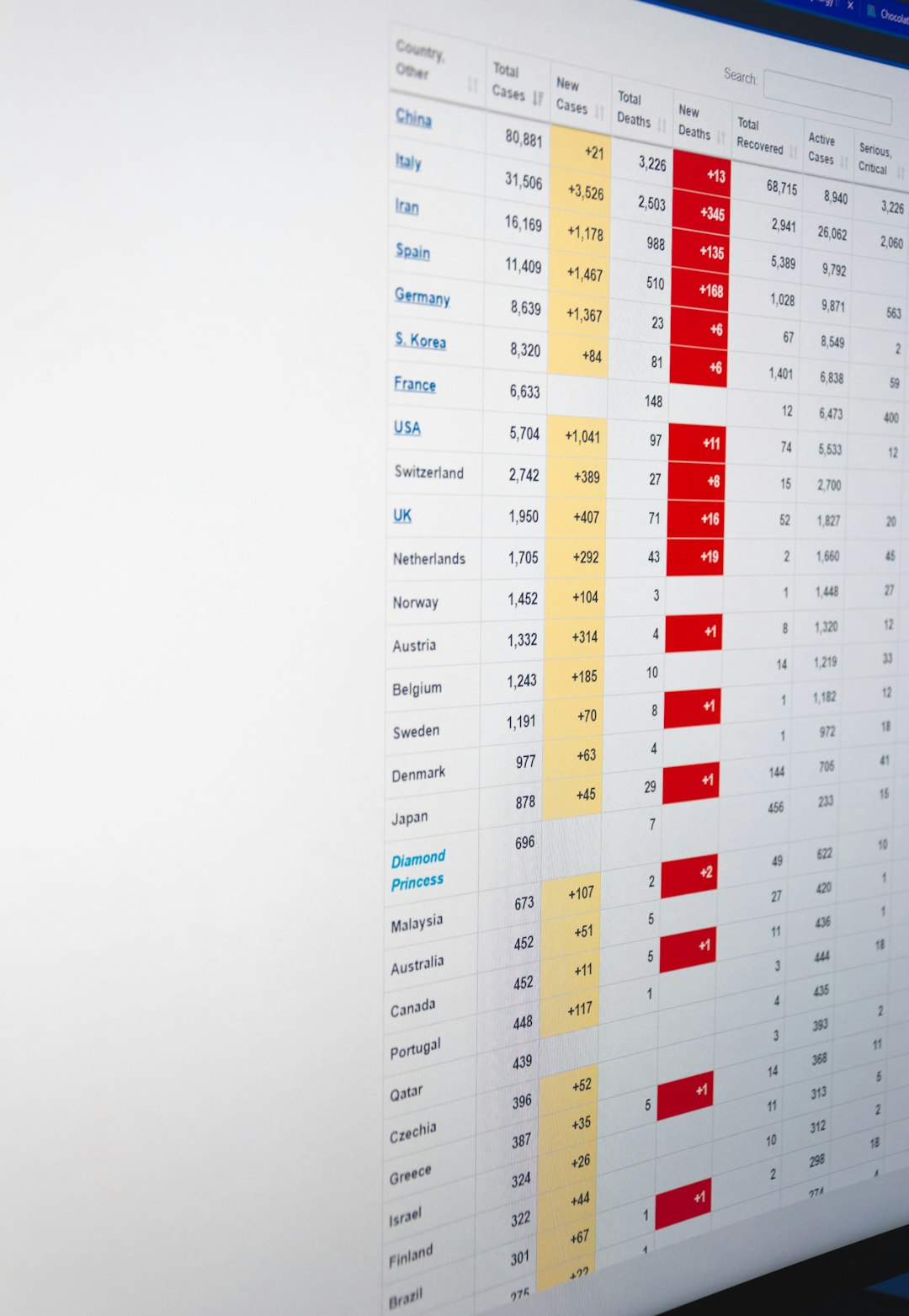
Employee engagement is easier to improve when it is visible, measurable, and discussed regularly. A motivation dashboard gives leaders, HR teams, and managers a shared view of how employees feel, what drives performance, and where support is needed. Instead of relying on yearly surveys or assumptions, organizations can use dashboards to track engagement signals in real time and respond faster.
TLDR: A motivation dashboard helps organizations monitor employee engagement through clear KPIs, survey results, recognition trends, and performance signals. The most useful dashboards combine quantitative data with qualitative feedback, making it easier to find patterns and act on them. Effective templates usually include engagement scores, eNPS, turnover risk, participation rates, recognition activity, and manager effectiveness. The goal is not just reporting, but creating better conversations and smarter people decisions.
Table of Contents
What Is a Motivation Dashboard?
A motivation dashboard is a visual reporting tool that tracks the factors influencing employee energy, commitment, satisfaction, and productivity. It may be built in HR software, business intelligence tools, spreadsheets, or custom internal platforms. The dashboard typically brings together employee survey data, recognition metrics, attendance trends, goal progress, performance insights, and feedback themes.
Its main purpose is to help decision-makers understand whether employees are engaged, supported, and aligned with company goals. When designed well, it becomes more than a report. It becomes a management tool that shows where motivation is strong, where morale may be dropping, and which teams may need attention.
Why Employee Engagement Tracking Matters
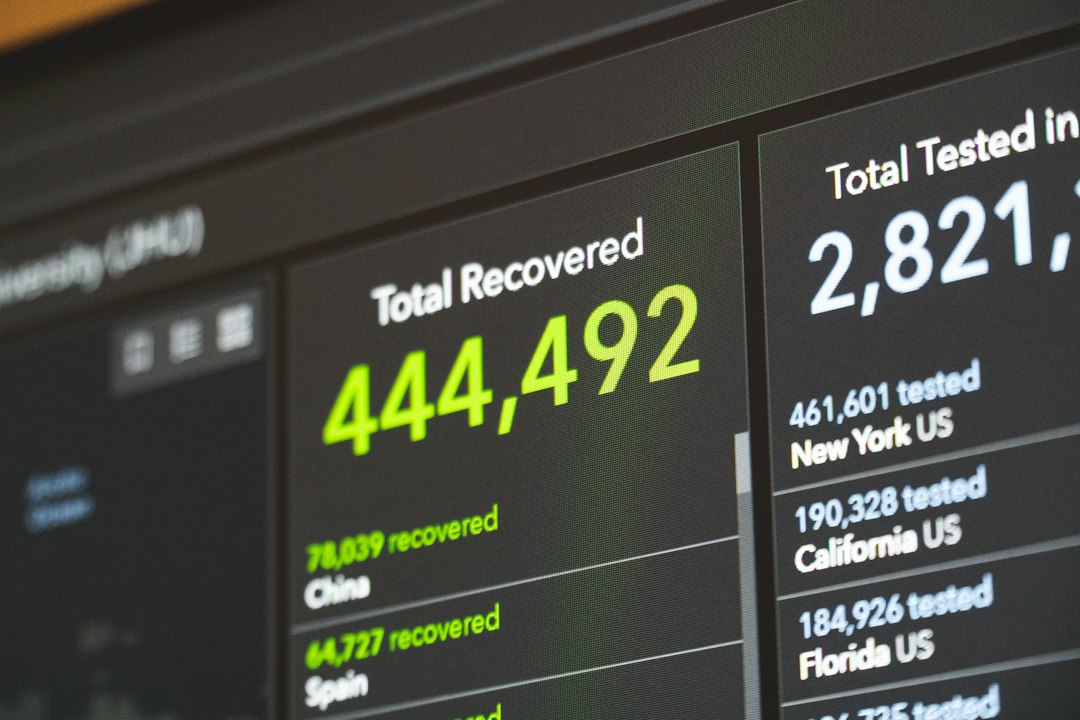
Engaged employees are more likely to stay, contribute ideas, serve customers well, and support team goals. Disengaged employees, on the other hand, may show lower productivity, increased absenteeism, and a higher chance of leaving. A motivation dashboard helps organizations detect these changes before they become larger problems.
Tracking engagement also creates accountability. Managers can see how their teams are doing, executives can identify organization-wide trends, and HR can target programs more effectively. Instead of launching generic initiatives, the organization can focus on specific needs such as career development, recognition, workload balance, or communication quality.
Key KPIs for a Motivation Dashboard
The strongest dashboards include a balanced set of KPIs. These indicators should measure both how employees feel and how motivation appears in daily work behavior.
- Employee Engagement Score: A combined score based on survey questions about motivation, belonging, purpose, support, and satisfaction.
- Employee Net Promoter Score, or eNPS: Measures how likely employees are to recommend the organization as a place to work.
- Pulse Survey Participation Rate: Shows how many employees are responding to feedback requests. Low participation may signal survey fatigue or low trust.
- Recognition Frequency: Tracks how often employees receive praise, awards, peer recognition, or manager appreciation.
- Manager Effectiveness Score: Measures perceptions of communication, coaching, fairness, and support from direct managers.
- Turnover and Retention Rate: Helps connect engagement levels with employee exits and long-term commitment.
- Absenteeism Rate: Can indicate stress, burnout, dissatisfaction, or health-related workload issues.
- Goal Completion Rate: Shows whether employees are progressing toward meaningful objectives.
- Learning and Development Participation: Measures involvement in training, upskilling, mentoring, and career growth programs.
- Burnout Risk Indicator: Combines workload, overtime, survey responses, and absence data to identify possible strain.
Useful Motivation Dashboard Templates
Different teams need different dashboard views. A senior leadership team may need broad trends, while line managers need team-level insights. The best approach is often to create several connected templates.
1. Executive Engagement Overview
This template gives leaders a high-level view of the organization. It may include company-wide engagement score, eNPS, retention rate, survey participation, and engagement by department. It should also highlight major trends over time, such as improvement after a new benefits program or decline after organizational changes.
2. Manager Team Dashboard
This version focuses on one team or department. It usually includes team engagement score, recognition activity, workload indicators, goal progress, and feedback themes. It helps managers understand how their leadership practices affect motivation and where they should take action.
3. HR Action Planning Dashboard
This template is designed for HR teams that manage people programs. It can track engagement drivers such as career development, compensation satisfaction, onboarding experience, diversity and inclusion sentiment, internal mobility, and learning participation. HR can use it to prioritize initiatives and measure their impact.
4. Pulse Survey Dashboard
A pulse dashboard is built around frequent, short surveys. It displays recent answers, response rates, score changes, and comment themes. Because pulse surveys are quick, they help organizations respond to employee sentiment without waiting for annual review cycles.
Ways to Track Employee Engagement Effectively
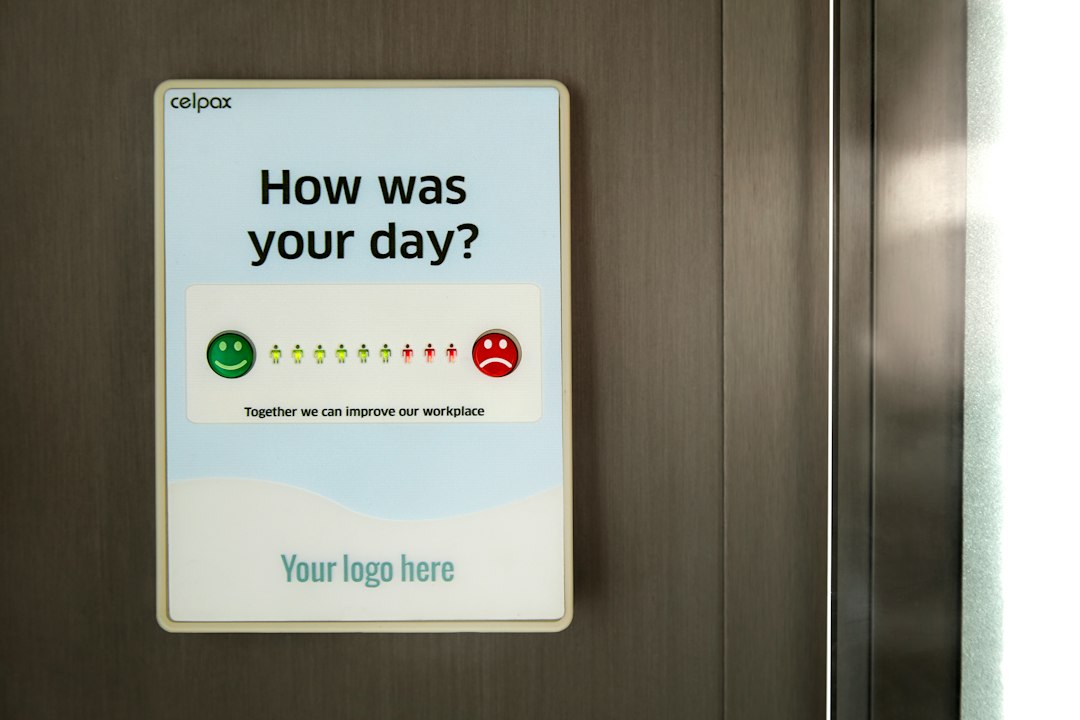
A dashboard is only useful when the data behind it is reliable and the organization acts on what it learns. Several methods can be combined to create a fuller picture.
- Run regular pulse surveys: Short monthly or quarterly surveys can track motivation, workload, recognition, and trust.
- Analyze open comments: Written feedback often explains the reason behind the numbers. Common themes should be categorized and reviewed.
- Monitor recognition data: Frequent appreciation can reveal healthy team culture, while low recognition may show where managers need coaching.
- Review retention patterns: Engagement scores should be compared with voluntary turnover to identify risk areas.
- Track internal mobility: Employees who see growth opportunities may be more motivated to stay and perform.
- Use one-on-one insights: Managers can summarize recurring themes from individual meetings while respecting confidentiality.
- Measure action completion: If employee feedback leads to improvement plans, the dashboard should show whether those actions are completed.
Best Practices for Building a Motivation Dashboard
Organizations should begin with clear questions. For example, leadership may want to know whether employees feel recognized, whether managers are supporting teams well, or whether burnout is increasing. Every KPI should connect to a decision or action.
The dashboard should also be simple enough for managers to use. Too many metrics can create confusion. A strong layout usually includes top-level scores, trend lines, team comparisons, and recommended actions. Color coding can help, but it should not replace meaningful interpretation.
Confidentiality is also essential. Employee engagement data must be handled carefully, especially for small teams where individuals may be identifiable. Aggregated reporting, minimum response thresholds, and transparent communication help build trust.

How to Turn Dashboard Insights Into Action
The value of a motivation dashboard depends on follow-through. When employees share feedback and nothing changes, trust may decline. For that reason, organizations should create a regular review process. HR and leadership can review company-wide trends, while managers can discuss team-level results in planning sessions.
Action plans should be specific. Instead of saying morale needs improvement, a team might commit to weekly recognition, clearer workload planning, or more transparent communication about priorities. Progress should then appear on the dashboard so employees can see that feedback leads to visible change.
Over time, the dashboard can reveal which initiatives are working. If engagement improves after a mentoring program, the organization may expand it. If burnout remains high despite wellness resources, leaders may need to examine staffing, deadlines, or management expectations.
FAQ
What should a motivation dashboard include?
It should include engagement scores, eNPS, survey participation, recognition activity, retention trends, absenteeism, manager effectiveness, learning participation, and key feedback themes.
How often should employee engagement be tracked?
Many organizations track engagement quarterly or monthly through pulse surveys. Larger engagement surveys may be conducted once or twice per year.
Who should use a motivation dashboard?
HR teams, executives, department leaders, and managers can all use it. Each group may need a different view based on its responsibilities.
Can a dashboard improve employee motivation by itself?
No. A dashboard only shows patterns and risks. Motivation improves when leaders respond with meaningful actions, better communication, recognition, and support.
What is the biggest mistake when tracking engagement?
The biggest mistake is collecting feedback without acting on it. Employees are more likely to participate when they see that their input leads to real improvements.